
Yemeni Government Forces Launch Multi-Front Advance Against Houthis
Why it matters
The conflict's escalation threatens stability in the Red Sea, a critical corridor for international trade.
What happened (in 30 seconds)
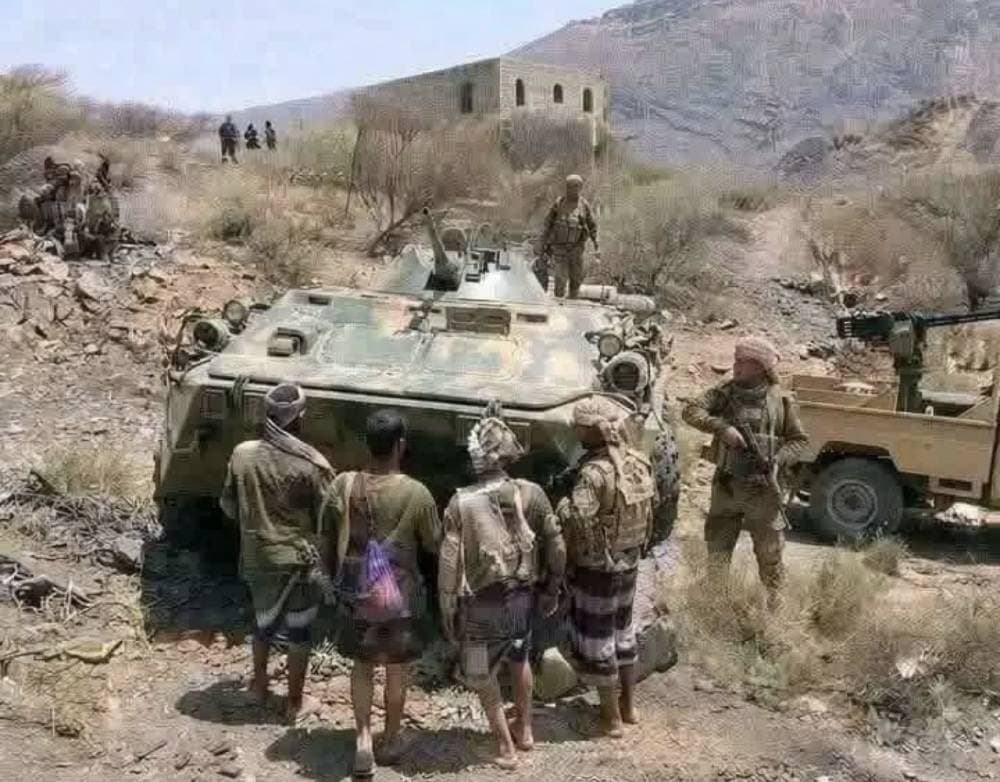
- Yemeni government forces launched a multi-front offensive against Houthi positions on October 19, 2026, aiming to reclaim lost territory.
- Saudi-led coalition airstrikes supported the operation, resulting in significant Houthi casualties and destruction of military assets.
- Territorial gains were reported in key areas including Taiz, Marib, and the western coast, indicating a shift in the conflict's momentum.
The context you actually need
- Houthi advances in September 2026 prompted the Yemeni government to initiate Operation Dawn of Yemen to regain control over strategic territories.
- Saudi support has been crucial, providing air and operational assistance to bolster Yemeni forces against Houthi resistance.
- Regional stability is at stake, as renewed fighting could disrupt maritime traffic through the Bab al-Mandab Strait, vital for global shipping.
What's really happening
The Yemeni government's Operation Dawn of Yemen marks a significant escalation in the ongoing conflict with the Houthis, who have gained ground in recent months. Following their territorial advances along the Red Sea coast, including the capture of Al-Mokha, the Yemeni government, under President Rashad al-Alimi, launched this counteroffensive on October 4, 2026. The operation aims to reclaim lost territories and restore state control across Yemen, which has been fragmented since the civil war began in 2015.
The offensive has been characterized by a multi-front approach, with government forces making strides in Taiz, Marib, Al-Jawf, Lahj, and along the western coast. Key to this operation has been the support from the Saudi-led coalition, which has intensified airstrikes targeting Houthi positions. On the first day of the offensive alone, the coalition reported destroying 324 Houthi targets, showcasing the scale of military engagement.
The strategic objectives of the Yemeni forces include recapturing critical heights and disrupting Houthi supply lines from Sanaa and other regions. This is particularly important as the Houthis have been applying pressure on Taiz, a city that has seen significant conflict due to its strategic location. The ongoing clashes in Lahj and Al-Jawf further illustrate the complexity of the battlefield, where various factions, including the Southern Giants Brigades and Homeland Shield Forces, are involved.
The implications of this military operation extend beyond Yemen's borders. Securing the Bab al-Mandab Strait is crucial for the stability of global shipping lanes, which are vital for trade and energy routes, particularly for the UAE. Any disruption in this area could have immediate repercussions on maritime traffic, affecting logistics and port operations in Dubai. As the conflict continues, the potential for temporary disruptions looms, which could ripple through global supply chains.
Who feels it first (and how)
- Logistics companies in Dubai may experience delays or increased costs due to potential disruptions in shipping routes.
- Energy sector stakeholders could face volatility in oil prices if maritime traffic through the Red Sea is affected.
- Local businesses reliant on imports may see supply chain challenges, impacting inventory and pricing strategies.
What to watch next
- Continued military developments: Monitor the progress of Yemeni forces and Houthi responses, as shifts in control could alter regional dynamics.
- International reactions: Watch for statements or actions from global powers regarding the conflict, which could influence diplomatic and economic relations.
- Shipping traffic patterns: Keep an eye on maritime traffic reports through the Bab al-Mandab Strait to assess any disruptions affecting global trade.
The Yemeni government forces are actively engaged in a military offensive against the Houthis.
Continued support from the Saudi-led coalition will play a crucial role in the outcome of the operation.
The long-term implications for regional stability and global shipping routes remain uncertain.
Frequently Asked Questions
- Why it matters?
- The conflict's escalation threatens stability in the Red Sea, a critical corridor for international trade.
- What happened (in 30 seconds)?
- Yemeni government forces launched a multi-front offensive against Houthi positions on October 19, 2026, aiming to reclaim lost territory. Saudi-led coalition airstrikes supported the operation, resulting in significant Houthi casualties and destruction of military assets. Territorial gains were reported in key areas including Taiz, Marib, and the western coast, indicating a shift in the conflict's momentum.
- What's really happening?
- The Yemeni government's Operation Dawn of Yemen marks a significant escalation in the ongoing conflict with the Houthis, who have gained ground in recent months. Following their territorial advances along the Red Sea coast, including the capture of Al-Mokha, the Yemeni government, under President Rashad al-Alimi, launched this counteroffensive on October 4, 2026. The operation aims to reclaim lost territories and restore state control across Yemen, which has been fragmented since the civil war b
- Who feels it first (and how)?
- Logistics companies in Dubai may experience delays or increased costs due to potential disruptions in shipping routes. Energy sector stakeholders could face volatility in oil prices if maritime traffic through the Red Sea is affected. Local businesses reliant on imports may see supply chain challenges, impacting inventory and pricing strategies.
- What to watch next?
- Continued military developments: Monitor the progress of Yemeni forces and Houthi responses, as shifts in control could alter regional dynamics. International reactions: Watch for statements or actions from global powers regarding the conflict, which could influence diplomatic and economic relations. Shipping traffic patterns: Keep an eye on maritime traffic reports through the Bab al-Mandab Strait to assess any disruptions affecting global trade.
Arabic-language coverage of political affairs and current events.
"Okaz political coverage typically follows mainstream Saudi framing on national and regional affairs."
— A47 Editor
الجيش اليمني يفكك تحصينات الحوثيين بـ835 عملية ويقتل 285 مسلحاً
The Yemeni army, led by Colonel Majid Al-Nazili, announced the execution of 835 targeted operations within 24 hours as part of the 'Dawn of Yemen' campaign, resulting in the deaths of approximately 285 members of the Houthi militia and the destructio...
Coverage of political affairs and regional developments from a Saudi perspective.
"Al Watan political coverage typically follows a mainstream Saudi framing of regional and national issues."
— A47 Editor
الشرعية تتقدم وتلاحق الحوثيين شرقا
The Yemeni government forces are advancing in their military operations against the Houthi group as the 'Fajr Yemen' campaign enters its third week, with significant developments reported in Taiz, Marib, Al-Jawf, Lahij, and the western coast. The ope...
Coverage of political affairs and regional developments from a Saudi perspective.
"Al Watan political coverage typically follows a mainstream Saudi framing of regional and national issues."
— A47 Editor
القوات اليمنية تدك 1164 هدفا للحوثيين في 24 ساعة
In a significant military operation dubbed 'Fajr Yemen', Yemeni government forces executed 1,164 targeted strikes against Houthi positions within 24 hours, resulting in the neutralization of 558 Houthi fighters, including field leaders, and the destr...