
Civil unrest erupts in France amid education and cost-of-living protests
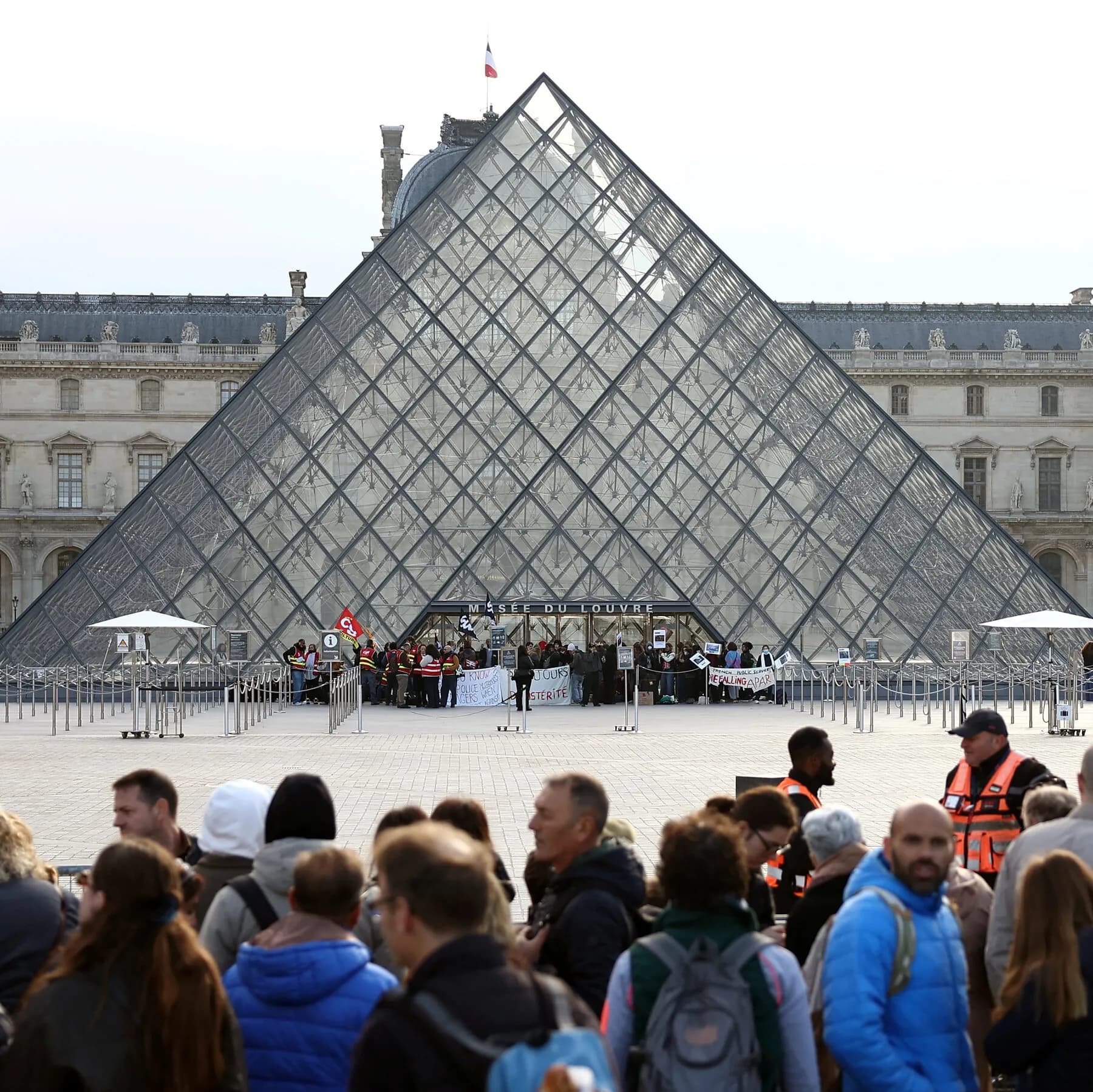
Why it matters
The unrest reflects deep-rooted socioeconomic issues in France, impacting travel safety and economic stability.
What happened (in 30 seconds)
- Widespread riots erupted across France on October 17-18, 2026, following student-led protests over education and living costs.
- Violence escalated after dark, leading to clashes with police, arson, and looting in major cities like Paris and Marseille.
- Curfews and security measures were implemented, with over 2,000 arrests and nearly 1,000 police officers injured.
The context you actually need
- Protests began in September 2026, focusing on public education deficiencies and rising living costs, fueled by inflation and inequality.
- Approximately 550,000 participants joined the demonstrations nationwide, indicating widespread discontent among the populace.
- Upcoming presidential elections in 2027 are intensifying tensions, as various groups, including trade unions and the Yellow Vests, mobilize for change.
What's really happening
The civil unrest in France is a culmination of longstanding grievances that have been simmering beneath the surface for years. The initial protests, which began in September 2026, were largely peaceful and focused on the quality of public education and the rising cost of living. However, as the demonstrations gained momentum, they attracted a broader coalition of participants, including trade unions and the populist Yellow Vests movement, which has a history of mobilizing against government policies perceived as detrimental to the working class.
The protests on October 17 saw around 550,000 participants nationwide, showcasing the depth of frustration among citizens. While the demonstrations remained mostly peaceful during the day, the situation deteriorated after dark, with masked groups engaging in violent confrontations with police. This shift from peaceful protest to violence can be attributed to a combination of factors, including the presence of organized groups seeking to exploit the unrest for their own agendas and the heightened tensions between protesters and law enforcement.
In response to the escalating violence, French authorities imposed curfews in major cities, including Paris, Nice, and Lille, and announced plans for troop deployments to maintain order. The government acknowledged security lapses that contributed to the chaos, indicating a need for tactical reviews and a more robust approach to managing public dissent. The unrest has not only led to significant property damage but has also rattled financial markets, with French bond yields reaching levels not seen since 2002.
The implications of this unrest extend beyond immediate safety concerns. As the government prepares for additional protests scheduled for late October and early November, the potential for further violence looms large. The unrest is likely to impact public sentiment leading up to the 2027 presidential elections, as candidates will need to address the underlying issues that have fueled these protests. The economic ramifications are also significant, with local governments assessing extensive property damage and the potential for decreased tourism as travelers are advised to avoid protest zones.
Who feels it first (and how)
- Travelers: Those planning trips to France may face disruptions and safety concerns.
- Local businesses: Retailers and service providers in affected areas may experience losses due to property damage and decreased foot traffic.
- Government officials: Policymakers will need to address public grievances and manage the political fallout from the unrest.
What to watch next
- Upcoming protests: Scheduled demonstrations on October 24, 31, and November 5 will be critical in determining the trajectory of the unrest and government response.
- Economic indicators: Monitor French bond yields and market reactions, as they may signal investor confidence or concern regarding stability.
- Government actions: Watch for announcements regarding security measures and potential policy changes aimed at addressing the root causes of the unrest.
Over 2,000 arrests and nearly 1,000 police officers injured during the unrest.
Continued protests and heightened security measures in major cities.
The long-term impact on the political landscape and upcoming elections.
Frequently Asked Questions
- Why it matters?
- The unrest reflects deep-rooted socioeconomic issues in France, impacting travel safety and economic stability.
- What happened (in 30 seconds)?
- Widespread riots erupted across France on October 17-18, 2026, following student-led protests over education and living costs. Violence escalated after dark, leading to clashes with police, arson, and looting in major cities like Paris and Marseille. Curfews and security measures were implemented, with over 2,000 arrests and nearly 1,000 police officers injured.
- What's really happening?
- The civil unrest in France is a culmination of longstanding grievances that have been simmering beneath the surface for years. The initial protests, which began in September 2026, were largely peaceful and focused on the quality of public education and the rising cost of living. However, as the demonstrations gained momentum, they attracted a broader coalition of participants, including trade unions and the populist Yellow Vests movement, which has a history of mobilizing against government poli
- Who feels it first (and how)?
- Travelers: Those planning trips to France may face disruptions and safety concerns. Local businesses: Retailers and service providers in affected areas may experience losses due to property damage and decreased foot traffic. Government officials: Policymakers will need to address public grievances and manage the political fallout from the unrest.
- What to watch next?
- Upcoming protests: Scheduled demonstrations on October 24, 31, and November 5 will be critical in determining the trajectory of the unrest and government response. Economic indicators: Monitor French bond yields and market reactions, as they may signal investor confidence or concern regarding stability. Government actions: Watch for announcements regarding security measures and potential policy changes aimed at addressing the root causes of the unrest.
Markets, economy, and company analysis from NYT’s business desk.
"The New York Times is a globally recognized newspaper offering authoritative reporting with a center-left editorial stance."
— A47 Editor
Heading to France? Amid Recent Unrest, Here’s What to Know
Recent protests in France, particularly in Paris, Marseille, Lille, and Nice, have erupted over issues related to affordability and public education, culminating in demonstrators blocking the entrance to the Louvre museum. The unrest reflects widespr...
24/7 international news from a French perspective in multiple languages.
"France 24 is viewed as a globally focused outlet with balanced coverage and a European perspective."
— A47 Editor
Paris weekend riots raise concerns for tourism industry
France has imposed partial curfews in Paris and other cities following violent protests over rising living costs that resulted in significant unrest and property damage. Demonstrators clashed with police, leading to widespread looting and destruction...
International coverage of politics, culture, and current affairs.
"BBC News is widely regarded as a reputable international news organization, known for its impartial tone and public service mandate."
— A47 Editor
Watch: Shops looted and restaurants gutted in Paris riots
Over the weekend, violent riots erupted across France, particularly in Paris, where shops were looted and restaurants were damaged as more than half a million people protested against rising living costs and deteriorating public services.