
UK Military Aircraft Equipped for Wildfire Response Amid Climate Crisis
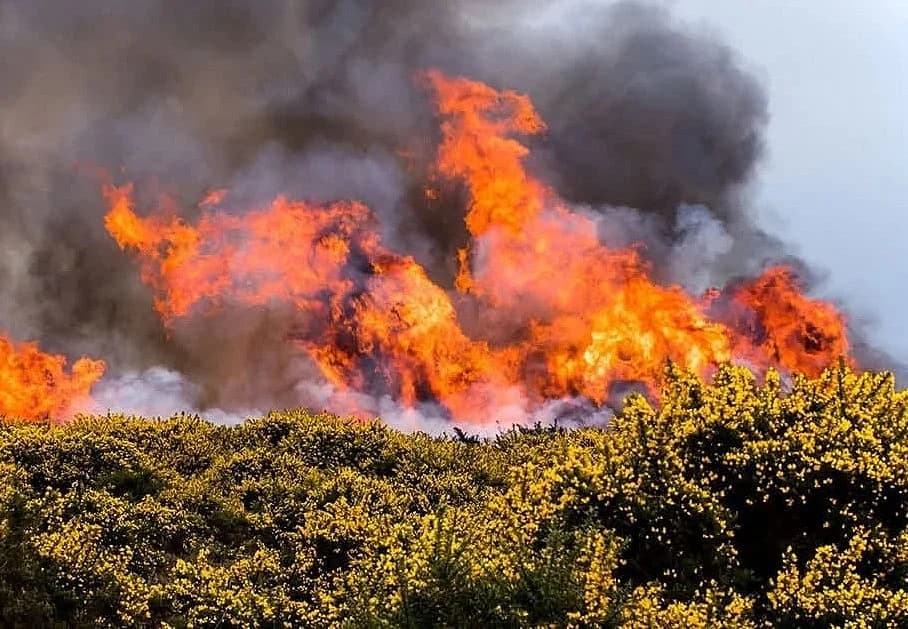
The UK’s proactive wildfire response could set a precedent for global climate adaptation strategies.
Why it matters
This initiative highlights the urgent need for countries to adapt their emergency response systems to increasingly frequent climate-related disasters.
What happened (in 30 seconds)
- On October 22, 2026, UK Prime Minister Andy Burnham announced the equipping of RAF Chinook helicopters and A400M aircraft for wildfire-fighting.
- The initiative includes £45 million in funding for specialized equipment and teams to support civilian services in remote areas.
- This announcement precedes England's first wildfire resilience summit, scheduled for October 23, 2026.
The context you actually need
- Wildfires in the UK have surged, with 1,350 incidents recorded in 2026 alone, marking a significant increase from previous years.
- Climate change is driving these wildfires, with extreme heat and drought conditions becoming more common each summer.
- Government scrutiny has intensified, with watchdogs highlighting inadequate preparedness and pushing for accelerated adaptation measures.
What's really happening
The UK government’s decision to equip military aircraft for wildfire response is a direct reaction to the alarming rise in wildfire incidents, particularly during the record-breaking summer of 2026. With 1,350 wildfires reported, the urgency for effective firefighting measures has never been clearer. This initiative is not merely about deploying aircraft; it represents a broader strategy to enhance national resilience against climate-induced disasters.
The £45 million funding will facilitate the acquisition of specialized firefighting equipment for the Royal Air Force's Chinook helicopters and A400M transport aircraft. These aircraft will be equipped to tackle wildfires in challenging terrains, such as remote moorlands and steep hillsides, where traditional firefighting methods may falter. This capability allows for a rapid response to wildfires, potentially saving lives and property.
In addition to aerial firefighting, the initiative includes provisions for lightweight personal protective equipment (PPE) for firefighters, specialized teams trained for wildfire response, and £25 million allocated for peatland restoration. The government is also supporting farmers in fireproofing their lands, recognizing that rural communities are often the first affected by wildfires. Furthermore, the establishment of a new Wildfires AI Unit aims to leverage technology for better prediction and management of wildfire risks.
However, the timing of this announcement has drawn criticism from environmental groups. Activists have pointed out the irony of enhancing wildfire response capabilities while simultaneously approving new fossil fuel projects, such as North Sea gas drilling. This tension underscores the complexities of climate policy, where immediate responses to disasters can conflict with long-term sustainability goals.
The upcoming wildfire resilience summit in Liverpool will serve as a platform for discussing these issues further, bringing together key stakeholders from government, environmental organizations, and the firefighting community. The summit aims to foster collaboration and develop comprehensive strategies for wildfire management in the UK.
Who feels it first (and how)
- Firefighters: Increased demand for specialized training and equipment.
- Rural communities: Directly impacted by wildfires, they will benefit from enhanced firefighting capabilities.
- Environmental organizations: They will monitor the effectiveness and implications of this initiative on climate policy.
- Local governments: Responsible for coordinating with military resources during wildfire emergencies.
What to watch next
- Implementation of the new firefighting capabilities: Monitoring how quickly and effectively these aircraft are deployed in real wildfire scenarios will be crucial.
- Outcomes of the wildfire resilience summit: The discussions and agreements made could shape future policies and funding for climate adaptation.
- Public and environmental group reactions: Ongoing scrutiny from activists may influence government decisions regarding fossil fuel projects and climate policies.
The UK has experienced a significant increase in wildfires, necessitating enhanced firefighting measures.
The new capabilities will be tested in real-world scenarios, influencing future wildfire management strategies.
The long-term impact of this initiative on the UK’s overall climate policy and fossil fuel projects remains to be seen.
Frequently Asked Questions
- Why it matters?
- This initiative highlights the urgent need for countries to adapt their emergency response systems to increasingly frequent climate-related disasters.
- What happened (in 30 seconds)?
- On October 22, 2026, UK Prime Minister Andy Burnham announced the equipping of RAF Chinook helicopters and A400M aircraft for wildfire-fighting. The initiative includes £45 million in funding for specialized equipment and teams to support civilian services in remote areas. This announcement precedes England's first wildfire resilience summit, scheduled for October 23, 2026.
- What's really happening?
- The UK government’s decision to equip military aircraft for wildfire response is a direct reaction to the alarming rise in wildfire incidents, particularly during the record-breaking summer of 2026. With 1,350 wildfires reported, the urgency for effective firefighting measures has never been clearer. This initiative is not merely about deploying aircraft; it represents a broader strategy to enhance national resilience against climate-induced disasters. The £45 million funding will facilitate th
- Who feels it first (and how)?
- Firefighters: Increased demand for specialized training and equipment. Rural communities: Directly impacted by wildfires, they will benefit from enhanced firefighting capabilities. Environmental organizations: They will monitor the effectiveness and implications of this initiative on climate policy. Local governments: Responsible for coordinating with military resources during wildfire emergencies.
- What to watch next?
- Implementation of the new firefighting capabilities: Monitoring how quickly and effectively these aircraft are deployed in real wildfire scenarios will be crucial. Outcomes of the wildfire resilience summit: The discussions and agreements made could shape future policies and funding for climate adaptation. Public and environmental group reactions: Ongoing scrutiny from activists may influence government decisions regarding fossil fuel projects and climate policies.
UAE-based newspaper covering Gulf politics, society, and international developments.
"Gulf News is one of the UAE’s most prominent English-language publications."
— A47 Editor
UK PM announces military aircraft to help fight future wildfires
The UK Prime Minister has announced the deployment of military aircraft to assist in combating future wildfires, a proactive measure aimed at enhancing the country's firefighting capabilities. This initiative comes in response to the increasing frequ...
A curated Gulf News feed featuring major stories across news, business, opinion, and lifestyle.
"Gulf News is a major UAE newspaper whose featured stories feed reflects a broad editorial mix shaped for a Gulf audience."
— A47 Editor
UK PM announces military aircraft to help fight future wildfires
The UK Prime Minister has announced the deployment of military aircraft to assist in combating future wildfires, a proactive measure aimed at enhancing the country's firefighting capabilities. This initiative comes in response to the increasing frequ...
Political developments, policy debates, elections, and government affairs in the UK.
"BBC News is widely regarded as a reputable international news organization, known for its impartial tone and public service mandate."
— A47 Editor
UK to draft in military aircraft to fight wildfires, Burnham says
UK Prime Minister Andy Burnham announced plans to deploy military aircraft to combat wildfires during the country's first wildfire summit, following a record summer of blazes in 2026. This initiative aims to enhance preparedness for future wildfire i...
International coverage from The Guardian's global desks.
"The Guardian is known for its progressive editorial stance and in-depth analysis."
— A47 Editor
Burnham to reveal plans for AI unit to tackle wildfires after scorching summer
Prime Minister Andy Burnham announced plans to establish an AI Cobra unit aimed at detecting wildfires, a response to the record-breaking summer that saw extensive wildfires across the UK. The initiative will also include funding for specialized prot...