
UK Government Advises Public to Prepare Three Days of Emergency Supplies Amid Cyber and Climate Threats
Why it matters
The UK's advisory reflects a growing trend in public policy aimed at enhancing national resilience against multifaceted risks.
What happened (in 30 seconds)
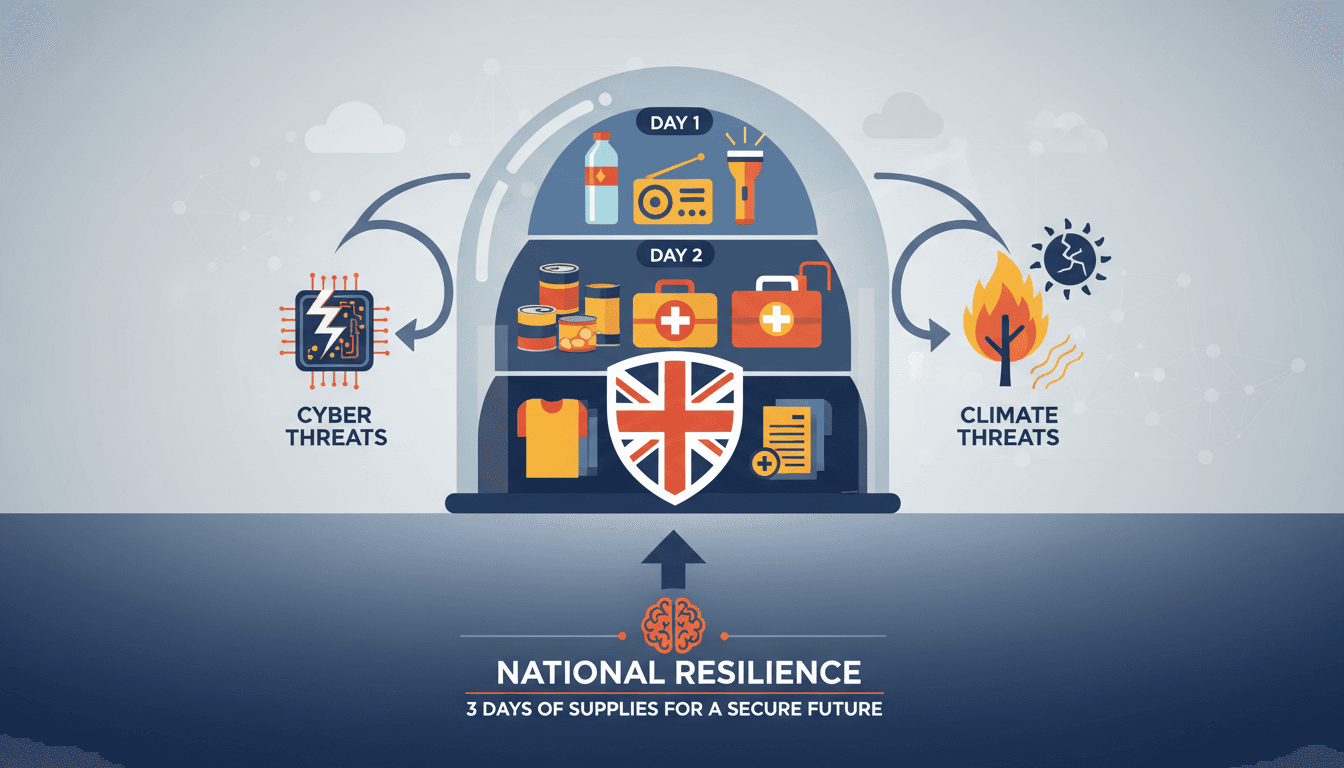
- On October 23, 2026, the UK government launched the 'Be Ready' campaign, urging households to maintain three days of emergency supplies.
- This initiative was prompted by a PHP software glitch causing internet outages and a record summer of wildfires and drought.
- Key officials, including Prime Minister Andy Burnham, emphasized proactive preparation to mitigate risks from cyber threats and climate events.
The context you actually need
- Cyber vulnerabilities: A recent PHP programming language flaw led to service disruptions and increased hacking attempts, highlighting the need for public vigilance.
- Climate risks: The UK experienced an unprecedented summer of wildfires and drought, raising concerns about future climate-related emergencies.
- European alignment: The UK’s advisory aligns with similar guidance from European neighbors, indicating a broader regional focus on emergency preparedness.
What's really happening
The 'Be Ready' campaign is a strategic response to a confluence of cyber and environmental threats that have escalated in recent years. The PHP software vulnerability disclosed just before the advisory has exposed critical weaknesses in digital infrastructure, prompting fears of potential service outages and cyberattacks. This incident is not isolated; it reflects a growing trend of cyber threats that are increasingly sophisticated, often enhanced by artificial intelligence.
In tandem, the UK has faced a summer marked by extreme weather conditions, including record heat and drought, leading to wildfires that have devastated large areas. These climate events have not only strained emergency services but have also highlighted the need for individuals to be self-sufficient during crises. The government's directive to stockpile three days' worth of supplies is a proactive measure aimed at fostering resilience among the population.
The guidance specifies essential items, including nine liters of water per person, non-perishable food, hygiene products, and first aid kits. This comprehensive list underscores the government's commitment to ensuring that households are prepared for various emergencies, whether they stem from cyber incidents or natural disasters.
Moreover, the UK government is keen to avoid panic buying, which can exacerbate supply chain issues. By promoting an 'alert but not alarmed' message, officials aim to encourage rational preparedness without inciting fear. The campaign is also supported by a new wildfire response plan, which includes military resources to bolster firefighting efforts.
This initiative reflects a broader shift in public policy, where governments are increasingly recognizing the importance of individual preparedness in the face of systemic risks. The UK's approach may serve as a model for other nations grappling with similar challenges, as the interconnectedness of cyber threats and climate change becomes more pronounced.
Who feels it first (and how)
- Households: Families will need to invest time and resources into emergency preparedness, affecting budgeting and shopping habits.
- Emergency services: Firefighters and first responders may face increased demands during wildfire seasons, impacting their operational capacity.
- Businesses: Companies reliant on digital infrastructure may need to reassess their cybersecurity measures and supply chain resilience.
- Local governments: Municipalities will be tasked with implementing and communicating preparedness strategies to their communities.
What to watch next
- Public compliance: Monitor how many households actually follow the advisory and stockpile supplies, as this will indicate the campaign's effectiveness.
- Cyber incident frequency: Keep an eye on the frequency of cyber incidents in the UK, as an increase could prompt further government action or advisories.
- Climate events: Watch for any significant climate-related incidents in the coming months, as these could influence public sentiment and preparedness initiatives.
The UK government is actively promoting emergency preparedness through the 'Be Ready' campaign.
Other countries may adopt similar preparedness advisories in response to rising cyber and climate threats.
The long-term impact of this campaign on public behavior and emergency service demands remains to be seen.
Frequently Asked Questions
- Why it matters?
- The UK's advisory reflects a growing trend in public policy aimed at enhancing national resilience against multifaceted risks.
- What happened (in 30 seconds)?
- On October 23, 2026, the UK government launched the 'Be Ready' campaign, urging households to maintain three days of emergency supplies. This initiative was prompted by a PHP software glitch causing internet outages and a record summer of wildfires and drought. Key officials, including Prime Minister Andy Burnham, emphasized proactive preparation to mitigate risks from cyber threats and climate events.
- What's really happening?
- The 'Be Ready' campaign is a strategic response to a confluence of cyber and environmental threats that have escalated in recent years. The PHP software vulnerability disclosed just before the advisory has exposed critical weaknesses in digital infrastructure, prompting fears of potential service outages and cyberattacks. This incident is not isolated; it reflects a growing trend of cyber threats that are increasingly sophisticated, often enhanced by artificial intelligence. In tandem, the UK
- Who feels it first (and how)?
- Households: Families will need to invest time and resources into emergency preparedness, affecting budgeting and shopping habits. Emergency services: Firefighters and first responders may face increased demands during wildfire seasons, impacting their operational capacity. Businesses: Companies reliant on digital infrastructure may need to reassess their cybersecurity measures and supply chain resilience. Local governments: Municipalities will be tasked with implementing and communicating
- What to watch next?
- Public compliance: Monitor how many households actually follow the advisory and stockpile supplies, as this will indicate the campaign's effectiveness. Cyber incident frequency: Keep an eye on the frequency of cyber incidents in the UK, as an increase could prompt further government action or advisories. Climate events: Watch for any significant climate-related incidents in the coming months, as these could influence public sentiment and preparedness initiatives.
Global coverage of politics, crises, and international affairs.
"HuffPost provides progressive-oriented reporting on international developments, often focusing on humanitarian and social justice issues."
— A47 Editor
U.K. Tells Public To Keep Three Days' Emergency Supplies At Home
The U.K. government has advised the public to maintain three days' worth of emergency supplies at home. This recommendation comes in response to a PHP software glitch and a summer characterized by extreme heat, drought, and wildfires, which have rais...
International news coverage curated for readers in the UAE and Gulf region.
"Emirates 24|7 world coverage presents global developments through a UAE-facing and Gulf-relevant editorial lens."
— A47 Editor
UK tells public to keep three days' emergency supplies at home
The British government has advised the public to maintain three days' worth of emergency supplies at home, a recommendation underscored by recent cybersecurity incidents involving critical vulnerabilities in the PHP programming language. This advice ...
Political developments, elections, and policy issues in the UK.
"Sky News is a UK-based 24-hour channel known for fast-breaking news and political coverage."
— A47 Editor
Stock up to survive 'extreme weather and cyber attacks', government urges
The UK government has launched a campaign urging households to stock up on emergency supplies to last for three days in the event of crises such as extreme weather and cyber attacks. This initiative aims to enhance national resilience amid increasing...