
Yemeni Armed Forces Conduct 736 Precision Strikes Against Houthis in Operation Fajr al-Yemen
Why it matters
The escalation of military actions in Yemen may impact international relations and economic conditions, particularly in the Gulf region.
What happened (in 30 seconds)
- Yemeni armed forces executed 736 precision strikes against Houthi positions on October 24, 2026.
- 307 Houthi fighters were reported neutralized, alongside the destruction of 68 military vehicles.
- Operation Fajr al-Yemen marks a significant intensification of the Yemeni government's military campaign against the Iran-backed Houthi militia.
The context you actually need
- Operation Fajr al-Yemen began in early October 2026, aiming to weaken Houthi command structures and supply lines.
- The conflict has roots in the 2014-2015 Houthi takeover of Sanaa and subsequent Saudi-led intervention, creating a complex proxy war involving Iran.
- Yemen's civil war has led to a humanitarian crisis, with millions affected by violence and displacement, complicating any military resolution.
What's really happening
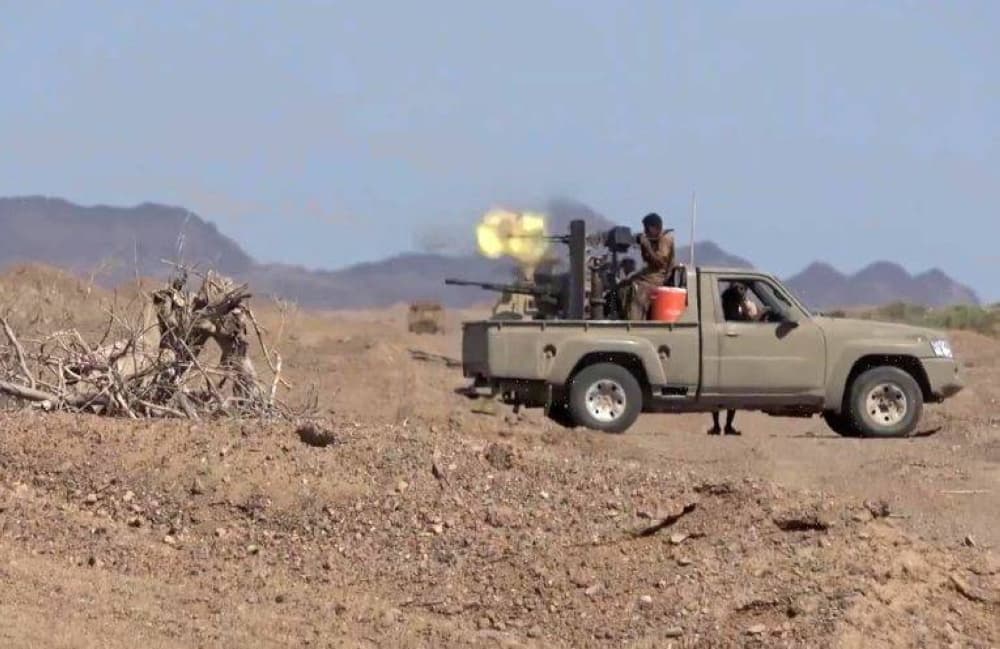
On October 24, 2026, the Yemeni military spokesman Colonel Majed al-Nuzaily announced a significant escalation in military operations against the Houthi militia, detailing 736 precision strikes executed within a 24-hour period. These operations targeted key Houthi positions, including command centers, troop concentrations, and weapons depots, primarily in Taiz province. The strikes were part of Operation Fajr al-Yemen, which has seen intensified military pressure on the Iran-backed Houthis since early October.
The reported outcomes of these operations included the neutralization of approximately 307 Houthi commanders and fighters, as well as the destruction or disabling of 68 military vehicles and weapons systems. The Yemeni government forces emphasized the precision of these strikes, aiming to minimize civilian casualties while maintaining continuous pressure on Houthi forces. Notably, one of the targeted sites was a former Sofitel hotel repurposed by the Houthis as a command post, which posed a threat to nearby civilian areas.
This military escalation reflects a broader strategy by the Yemeni government to degrade Houthi capabilities and regain control over territories held by the militia. The conflict has been characterized by a series of military offensives, with thousands of strikes conducted since the operation's launch. The Yemeni government's approach is not only about immediate military gains but also about sending a message to both domestic and international audiences regarding its commitment to restoring order and sovereignty.
The ongoing conflict has significant implications for regional stability, particularly given the involvement of external actors like Iran, which supports the Houthis. The military operations could lead to a shift in the balance of power within Yemen, potentially affecting negotiations for peace and humanitarian access. As the Yemeni government continues its offensive, the situation remains fluid, with the potential for further escalations or retaliatory actions from Houthi forces.
Who feels it first (and how)
- Local civilians in Yemen, facing increased violence and humanitarian challenges.
- Regional governments in the Gulf, which may experience shifts in security dynamics and economic impacts.
- International businesses involved in energy markets, as instability could affect oil prices and supply routes.
What to watch next
- Continued military operations: Monitor the frequency and impact of Yemeni strikes on Houthi positions, as this will indicate the effectiveness of the campaign.
- International responses: Watch for statements or actions from regional powers and international organizations regarding the conflict, which could influence diplomatic efforts.
- Humanitarian conditions: Keep an eye on reports regarding the humanitarian situation in Yemen, as escalating violence may exacerbate the crisis.
The Yemeni armed forces conducted 736 strikes on October 24, 2026.
The conflict will continue to escalate, with potential retaliatory actions from Houthi forces.
The long-term impact on regional stability and international relations remains uncertain.
Frequently Asked Questions
- Why it matters?
- The escalation of military actions in Yemen may impact international relations and economic conditions, particularly in the Gulf region.
- What happened (in 30 seconds)?
- Yemeni armed forces executed 736 precision strikes against Houthi positions on October 24, 2026. 307 Houthi fighters were reported neutralized, alongside the destruction of 68 military vehicles. Operation Fajr al-Yemen marks a significant intensification of the Yemeni government's military campaign against the Iran-backed Houthi militia.
- What's really happening?
- On October 24, 2026, the Yemeni military spokesman Colonel Majed al-Nuzaily announced a significant escalation in military operations against the Houthi militia, detailing 736 precision strikes executed within a 24-hour period. These operations targeted key Houthi positions, including command centers, troop concentrations, and weapons depots, primarily in Taiz province. The strikes were part of Operation Fajr al-Yemen, which has seen intensified military pressure on the Iran-backed Houthis since
- Who feels it first (and how)?
- Local civilians in Yemen, facing increased violence and humanitarian challenges. Regional governments in the Gulf, which may experience shifts in security dynamics and economic impacts. International businesses involved in energy markets, as instability could affect oil prices and supply routes.
- What to watch next?
- Continued military operations: Monitor the frequency and impact of Yemeni strikes on Houthi positions, as this will indicate the effectiveness of the campaign. International responses: Watch for statements or actions from regional powers and international organizations regarding the conflict, which could influence diplomatic efforts. Humanitarian conditions: Keep an eye on reports regarding the humanitarian situation in Yemen, as escalating violence may exacerbate the crisis.
Coverage of political affairs and regional developments from a Saudi perspective.
"Al Watan political coverage typically follows a mainstream Saudi framing of regional and national issues."
— A47 Editor
فجر اليمن: تحييد 307 حوثيين وتدمير 68 آلية في 736 ضربة دقيقة
The Yemeni Armed Forces announced the execution of 736 precise strikes against the Houthi militia within the last 24 hours as part of the escalating military operation named 'Fajr Yemen.' These strikes targeted command centers, militia gatherings, an...
Arabic-language coverage of political affairs and current events.
"Okaz political coverage typically follows mainstream Saudi framing on national and regional affairs."
— A47 Editor
القوات اليمنية: 736 استهدافاً تحيّد 307 حوثيين خلال 24 ساعة
The Yemeni armed forces have intensified their military operations against the Houthi militia, executing 736 targeting operations within the last 24 hours as part of the 'Fajr Yemen' campaign, resulting in the neutralization of approximately 307 mili...
Pan-Arab political news and analysis.
"Al-Quds Al-Arabi is a London-based Arabic newspaper known for political coverage."
— A47 Editor
الجيش اليمني يعلن تدمير دبابتين وتحييد مركز قيادة للحوثيين في تعز
The Yemeni army, represented by spokesperson Majed Al-Nazili, announced the destruction of two tanks and the neutralization of a command and control center belonging to the Houthi group in the abandoned Sofitel hotel in Taiz. This operation was descr...