
US to Reduce Military Presence in Europe Amid Rising Tensions with Russia
Here's what it means for you.
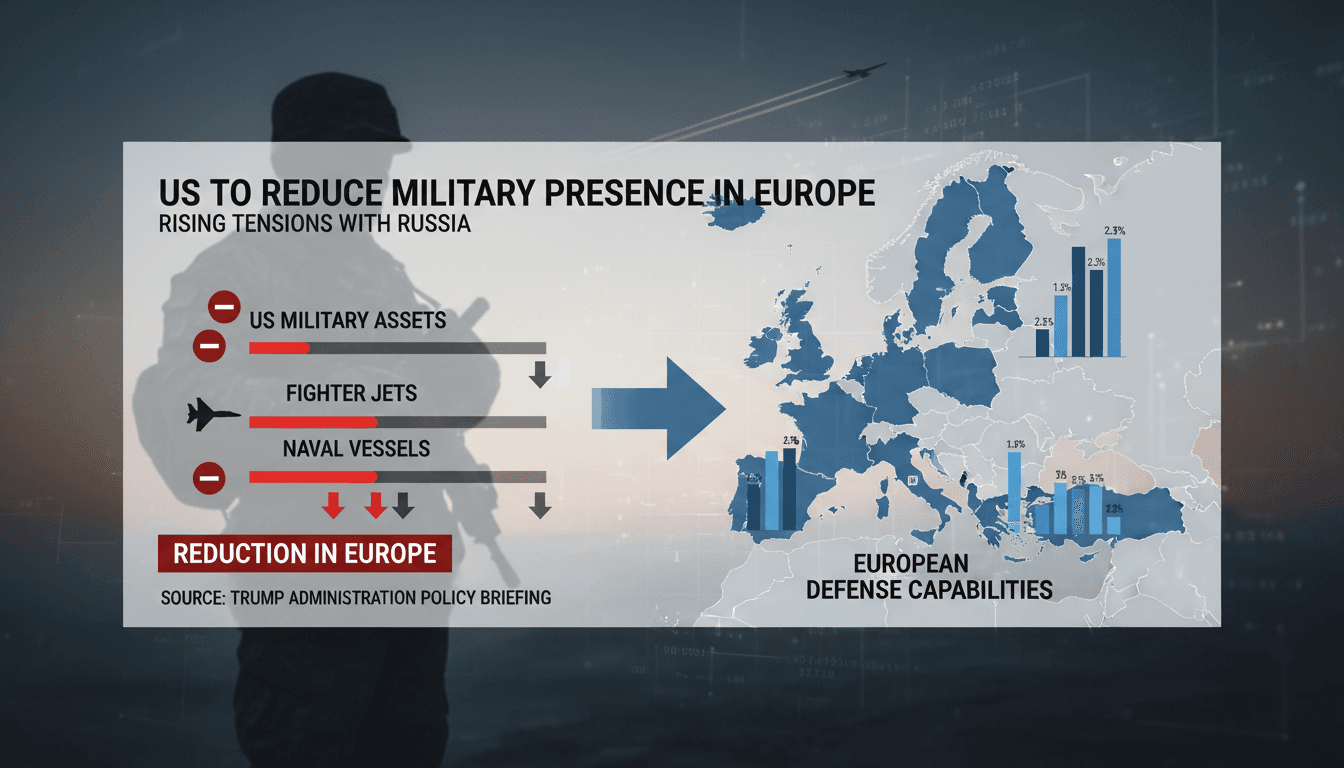
The United States' decision to cut its military presence in Europe signals a significant shift in defense strategy, potentially impacting NATO's operational readiness. As the U.S. reduces its fighter jets and naval vessels, European nations may feel compelled to enhance their own military capabilities to ensure regional security. This move raises questions about the future of transatlantic defense cooperation and the ability of NATO to respond effectively to threats, particularly from Russia.
What happened
The United States is set to significantly reduce its military assets in Europe, specifically cutting back on the number of fighter jets and naval vessels available for NATO operations. This reduction includes decreasing the number of F-16 and F-15E aircraft from approximately 150 to 100. Additionally, the U.S. will withdraw all eight air refueling aircraft previously stationed in Europe and reduce maritime reconnaissance aircraft from 26 to 15.
This decision was communicated to European officials in early June 2026 and has raised concerns about the potential impact on NATO's operational capabilities amid ongoing tensions with Russia. The cuts are part of a broader strategy by the Trump administration to lessen military commitments to European allies.
The Context
The reduction in U.S. military presence comes at a time of heightened tensions in Europe, particularly following recent Russian military actions. European allies are now faced with the challenge of reassessing their defense strategies in light of diminished U.S. support. The timing of this announcement is critical, as it coincides with ongoing geopolitical instability in the region.
Stakeholders in NATO are likely to be concerned about the implications of this reduction on the alliance's ability to respond to threats. The decision reflects a strategic shift in U.S. defense commitments, raising questions about the future of NATO's collective security framework.
Takeaway
As the U.S. reduces its military footprint in Europe, European nations may need to bolster their own defense capabilities to compensate for the reduced support. Monitoring European responses to this military reduction will be crucial in understanding the future of NATO's strategic posture. The potential for increased military spending among European allies could reshape the defense landscape in the region.
In the coming months, it will be important to observe how NATO adapts to these changes and whether member states will take proactive measures to ensure regional security.
Pan-Arab news coverage spanning politics, business, sports, and regional affairs.
"Asharq Al-Awsat reflects a broad Arab editorial perspective with strong attention to regional geopolitics."
— A47 Editor
أميركا لخفض رئيسي في مقاتلاتها وسفنها الحربية بأوروبا
The United States plans to significantly reduce the number of fighter jets and warships it provides for NATO operations in Europe, raising concerns among several countries about the potential expansion of Russia's war with Ukraine.
Arabic-language coverage of political affairs and current events.
"Okaz political coverage typically follows mainstream Saudi framing on national and regional affairs."
— A47 Editor
ضربة موجعة للناتو.. أمريكا تخطط لأكبر تخفيض عسكري في أوروبا
The United States is planning a significant reduction in its military presence in Europe as part of President Donald Trump's efforts to decrease Washington's security commitments to European allies. This includes cutting the number of F-16 and F-15E ...
Pan-Arab political news and analysis.
"Al-Quds Al-Arabi is a London-based Arabic newspaper known for political coverage."
— A47 Editor
نيويورك تايمز: أمريكا ستخفض الطائرات والسفن الحربية المتاحة لعمليات حلف الأطلسي في أوروبا
The New York Times reports that the United States plans to reduce the number of aircraft and naval vessels available for NATO operations in Europe. This decision comes amid ongoing geopolitical tensions and reflects a shift in U.S. military strategy ...