
IRGC escalates maritime security measures in the Strait of Hormuz
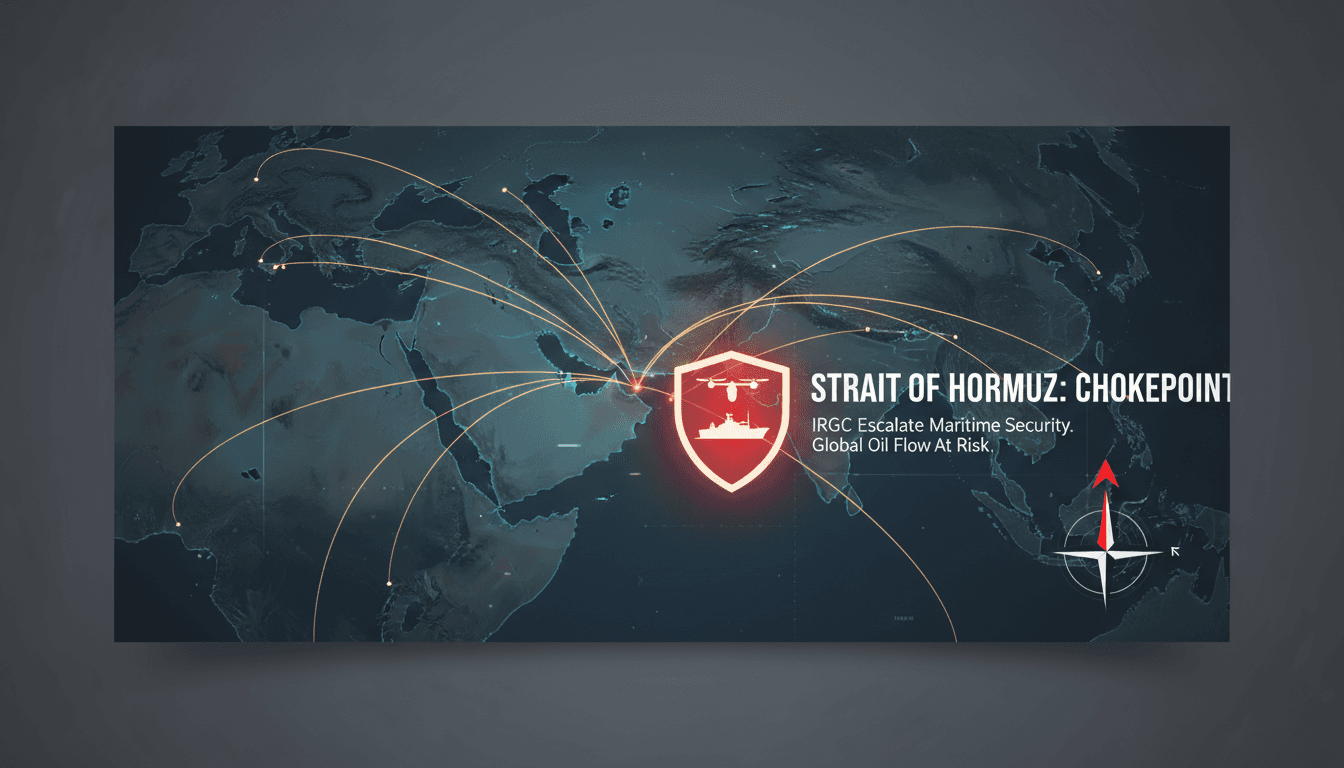
Here's what it means for you.
The Iranian Revolutionary Guard Corps (IRGC) has intensified its maritime security measures in the Strait of Hormuz, a critical passage for global oil shipments. This escalation could lead to increased military presence in the region, raising concerns among international stakeholders about potential disruptions to oil supplies. As approximately 20% of the world's oil transits through this chokepoint, any conflict could have significant implications for energy markets and global economies. The situation demands close monitoring from policymakers and industry leaders, as Iran's actions may provoke responses from other nations. The heightened tensions could also influence diplomatic relations and international trade routes.
What happened
The IRGC has announced its intention to take decisive action against any vessel attempting to cross the Strait of Hormuz without authorization. This announcement follows a recent incident where the IRGC's naval forces successfully prevented an unauthorized oil tanker from entering the strait. The move underscores Iran's commitment to safeguarding its maritime interests amid rising tensions in the region.
The IRGC's actions are part of a broader strategy to assert control over its territorial waters, particularly in light of ongoing sanctions and military pressures. The situation is further complicated by recent explosions attributed to the IRGC's enforcement measures against unauthorized vessels.
The Context
The Strait of Hormuz is a vital maritime passage for global oil shipments, making it a focal point for geopolitical tensions. Iran has historically threatened to block this strait in response to external pressures, which raises concerns about maritime security and potential military confrontations. The recent incidents highlight the precarious balance of power in the region and the stakes involved for international shipping.
As the IRGC reinforces its control, stakeholders must consider the implications for global energy supplies. The potential for conflict in this strategic area could disrupt oil markets and prompt international scrutiny and responses.
Takeaway
The situation in the Strait of Hormuz remains tense, with the IRGC's firm stance against unauthorized vessels signaling a potential escalation in military actions. Observers should monitor for further developments, including any Iranian military maneuvers and international responses to these maritime security measures. The implications for global oil supplies and energy markets could be significant, warranting close attention from industry leaders and policymakers alike.
As tensions continue to rise, the potential for conflict in the Strait of Hormuz could lead to increased diplomatic interventions and a reevaluation of international shipping routes.
Arabic-language coverage of international news and geopolitics.
"RT Arabic is a Russian state-funded outlet often criticized for promoting Kremlin-aligned narratives."
— A47 Editor
الحرس الثوري: سنتصرف بحزم ضد أي سفينة تحاول عبور مضيق هرمز
The Islamic Revolutionary Guard Corps announced that it will act decisively against any vessel attempting to pass through the Strait of Hormuz without authorization, reaffirming its control over this vital waterway.
Jordanian news and regional updates.
"Roya News is a Jordanian outlet focused on breaking news and local affairs."
— A47 Editor
بحرية الحرس الثوري: انفجارات سيريك ناتجة عن التصدي لسفينة حاولت عبور هرمز.. وسنتعامل بحزم شديد
The Islamic Revolutionary Guard Corps Navy confirmed that explosions in Sirik were a result of their forces responding to a ship attempting to cross the Strait of Hormuz. They emphasized their ongoing monitoring of the strategic waterway and their re...
Jordanian news and regional updates.
"Roya News is a Jordanian outlet focused on breaking news and local affairs."
— A47 Editor
التلفزيون الإيراني: القوات البحرية تمنع عبور ناقلة نفط مخالفة دخلت نطاق مضيق هرمز
Iranian state television reported that the naval forces have prevented a non-compliant oil tanker from crossing into the Strait of Hormuz, a critical maritime passage for global oil shipments. This action underscores the heightened security measures ...