
Trump Says US Will End $4 Billion Annual Military Aid to Israel Effective December 31 2026
Why it matters
The planned phaseout of $4 billion in annual U.S. military assistance alters decades-old regional security financing, signaling a systemic shift toward purely commercial procurement and immediate pricing adjustments across energy benchmarks.
What happened (in 30 seconds)
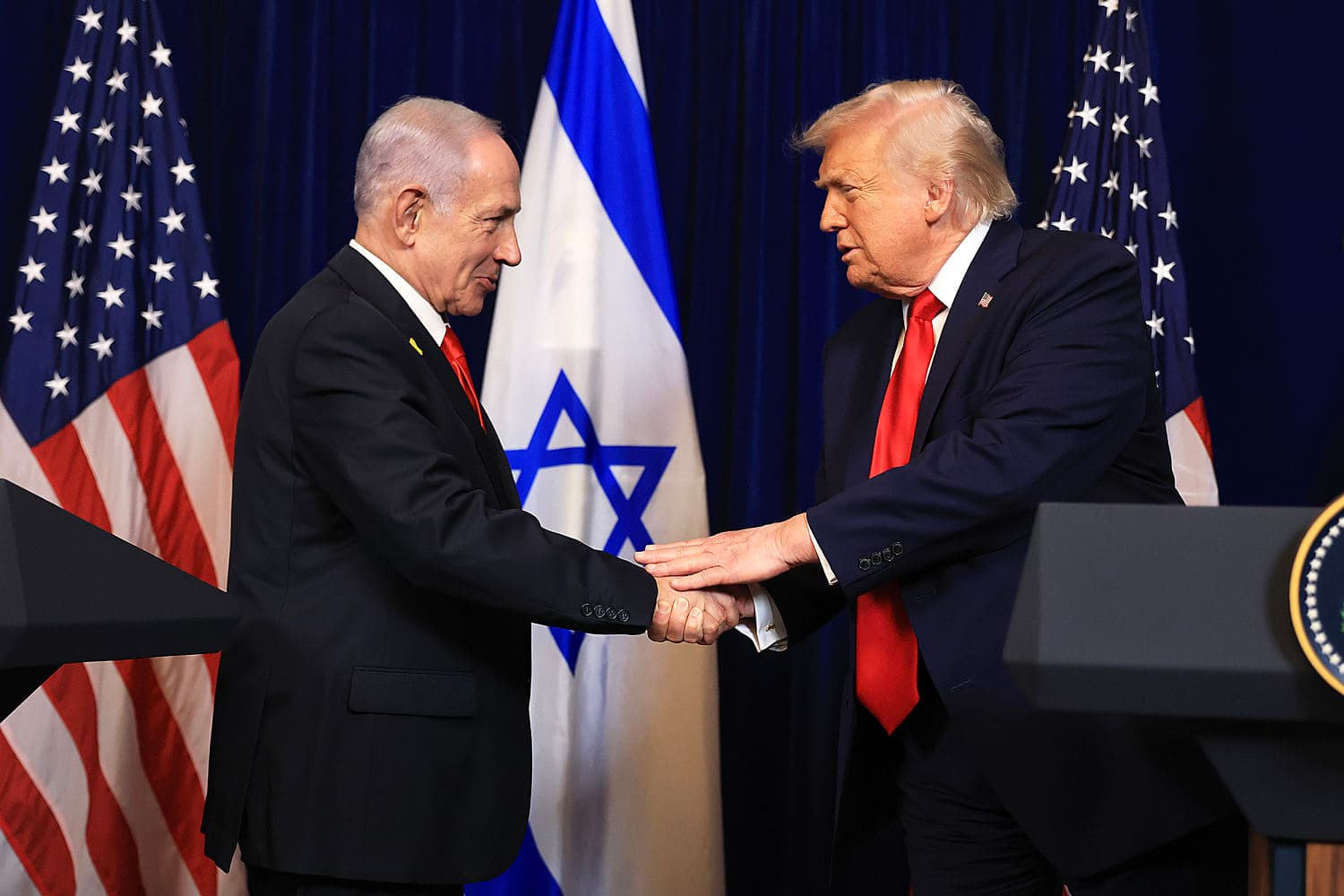
* A timeline was declared on national television: On November 3, 2026, U.S. President Donald Trump announced that the United States will cease providing its baseline $4 billion in annual military assistance to Israel, setting the effective termination date for December 31, 2026. * A mutual arrangement was cited: The announcement referenced a months-old understanding with Israeli Prime Minister Benjamin Netanyahu, arguing that Israel's domestic economic performance removes the necessity for annual grants while stripping critics of a persistent political talking point. * Commodity markets reacted instantly: Brent crude dropped 3% down to $101 per barrel following the announcement, as global markets recalibrated security assumptions and foreign policy alignments across the Middle East.
The context you actually need
* The baseline agreement runs through 2028: Under a 2016 bilateral memorandum of understanding covering 2018 through 2028, Washington agreed to supply Israel with $3.8 billion annually, divided into $3.3 billion in foreign military financing and $500 million for joint missile defense programs. * Emergency disbursements heavily altered baseline flows: Outside the standard annual framework, U.S. appropriations surged by at least $21.7 billion over the two years following the October 7, 2023 events, substantially reshaping the scale of bilateral fiscal dependence. * Procurement terms remain commercial: The proposed change halts non-repayable fiscal assistance allocations but does not restrict arms transfers, leaving Israeli defense procurement operating on a direct-purchase commercial transaction basis.
What's really happening
The shift from funded grants to commercial procurement alters the incentive structure governing bilateral defense relations. For decades, foreign military financing served as an explicit subsidy mechanism for the domestic defense industrial base: Washington allocated funds to foreign partners, who then redirected the vast majority of that capital back to major American defense contractors for platforms, components, and ammunition. Moving Israel from an aid-recipient model to a sovereign commercial customer model recalibrates how defense transactions occur.
From an economic perspective, Israel operates an advanced high-income economy with specialized domestic manufacturing in precision defense, cyber intelligence, and aerospace interceptors. The public rationale presented by the White House highlights this domestic balance-sheet capacity, calculating that self-funded defense budgets decouple standard arms sales from domestic political debates in Washington. Rather than absorbing grant funding that draws legislative scrutiny during U.S. election cycles, the model pivots toward standard Foreign Military Sales (FMS) mechanisms or direct commercial sales, where sovereign buyers cover their own invoices.
This transition accelerates discussions that had already begun quietly inside defense circles. Israeli leadership had previously considered plans to gradually taper financial aid over a ten-year horizon to reduce strategic dependency and lift operational restrictions on how capital is allocated internally. Advancing the cutoff date to December 31, 2026—two full years ahead of the current memorandum of understanding’s 2028 expiration—forces that fiscal adjustments timeline into weeks rather than years.
The downstream mechanical effects touch multiple budget lines. Directing $4 billion of annual purchases into direct sovereign payments requires the Israeli treasury to restructure fiscal appropriations, issue debt, or redirect funds from civil services to maintain ongoing military procurement pipelines. For the United States, terminating the baseline grant removes a recurring federal discretionary expenditure while preserving the operational throughput of American aerospace and weapons manufacturers, who will continue to clear orders for airframes, precision-guided munitions, and missile defense interceptors via cash transactions.
Global commodity markets registered the announcement immediately through pricing volatility. The 3% drop in Brent crude to $101 per barrel captures financial markets reassessing regional engagement models, defense posture expectations, and systemic stability benchmarks across key regional trade arteries.
Who feels it first (and how)
* Energy commodity traders and regional treasuries: Brent crude's instant 3% drop to $101 per barrel creates immediate pricing variance, impacting revenue projections and operational expenditure planning for hydrocarbon-linked economies in the Gulf. * Israeli fiscal planners and central bankers: Managing state finances will require absorbing an annual $4 billion procurement expense directly into the sovereign budget or expanding debt issuance starting in 2027. * Global and U.S. aerospace contractors: Procurement programs will transition from congressionally pre-funded accounts to direct commercial contracts, altering credit terms, payment milestones, and sovereign balance-sheet dependencies. * Regional enterprise operators in logistics and finance: Multinational firms based in hubs like Dubai must account for shifting market sentiment and trade insurance calculations as Gulf geopolitical realignments take practical economic shape.
What to watch next
* U.S. legislative response and statutory mechanics: Watch whether the U.S. Congress introduces formal legislation to amend or terminate the 2018–2028 Memorandum of Understanding, as bilateral funding lines typically require congressional budget action to officially de-appropriate. * Official Israeli cabinet and treasury statements: Track official budget statements from Jerusalem regarding how the state intends to bridge the $4 billion annual gap, whether via debt markets, tax adjustments, or sovereign reallocations. * Defense export credit agreements: Monitor whether Washington offers sovereign loan guarantees, low-interest defense export credits, or modified commercial purchase waivers to replace grant allocations.
President Donald Trump publicly stated that the U.S. will cease its $4 billion annual military aid to Israel by December 31, 2026, while permitting ongoing commercial weapons purchases; Brent crude declined 3% to $101 per barrel on the announcement.
Israel will increase sovereign defense debt issuance or adjust domestic departmental spending to maintain hardware and missile defense procurement directly from U.S. suppliers.
The exact statutory and legal mechanism for nullifying the existing bilateral Memorandum of Understanding prior to its formal 2028 expiration date remains unannounced, and neither Congress nor the Israeli Prime Minister's office has formally confirmed the implementation terms.
Frequently Asked Questions
- Why it matters?
- The planned phaseout of $4 billion in annual U.S. military assistance alters decades-old regional security financing, signaling a systemic shift toward purely commercial procurement and immediate pricing adjustments across energy benchmarks.
- What happened (in 30 seconds)?
- A timeline was declared on national television: On November 3, 2026, U.S. President Donald Trump announced that the United States will cease providing its baseline $4 billion in annual military assistance to Israel, setting the effective termination date for December 31, 2026. A mutual arrangement was cited: The announcement referenced a months-old understanding with Israeli Prime Minister Benjamin Netanyahu, arguing that Israel's domestic economic performance removes the necessity for annual gr
- What's really happening?
- The shift from funded grants to commercial procurement alters the incentive structure governing bilateral defense relations. For decades, foreign military financing served as an explicit subsidy mechanism for the domestic defense industrial base: Washington allocated funds to foreign partners, who then redirected the vast majority of that capital back to major American defense contractors for platforms, components, and ammunition. Moving Israel from an aid-recipient model to a sovereign commerci
- Who feels it first (and how)?
- Energy commodity traders and regional treasuries: Brent crude's instant 3% drop to $101 per barrel creates immediate pricing variance, impacting revenue projections and operational expenditure planning for hydrocarbon-linked economies in the Gulf. Israeli fiscal planners and central bankers: Managing state finances will require absorbing an annual $4 billion procurement expense directly into the sovereign budget or expanding debt issuance starting in 2027. Global and U.S. aerospace contractors:
- What to watch next?
- U.S. legislative response and statutory mechanics: Watch whether the U.S. Congress introduces formal legislation to amend or terminate the 2018–2028 Memorandum of Understanding, as bilateral funding lines typically require congressional budget action to officially de-appropriate. Official Israeli cabinet and treasury statements: Track official budget statements from Jerusalem regarding how the state intends to bridge the $4 billion annual gap, whether via debt markets, tax adjustments, or sovere
English-language reporting on Saudi politics, policy, and society.
"Saudi Gazette reflects mainstream Saudi institutional perspectives."
— A47 Editor
Trump says US is cutting off military aid to Israel by year-end
US President Donald Trump said he reached a deal with Israeli Prime Minister Benjamin Netanyahu to end the provision of roughly $4 billion in annual military aid to Israel by the end of this year, saying Israel no longer needs it, while adding that W...
Global news coverage with extensive reporting on Middle Eastern conflicts and geopolitics.
"Al Jazeera is a Qatar-based broadcaster known for wide regional coverage and alternative perspectives."
— A47 Editor
Scepticism as Trump says he’s ending Israel’s $3.8 bn military aid deal
President Donald Trump said the United States will stop its roughly $3.8 billion to $4 billion in annual security assistance to Israel after the end of this year, citing a deal reached with Israeli Prime Minister Benjamin Netanyahu. The base report n...
National headlines across the United States including breaking stories and societal issues.
"NBC News is a mainstream media outlet known for comprehensive national and international news coverage with a centrist to slightly left-leaning editorial tone."
— A47 Editor
U.S. will stop $4B in aid to Israel at the end of the year, Trump says
President Donald Trump said on Tuesday that he reached a deal with Israeli Prime Minister Benjamin Netanyahu for the United States to end roughly $4 billion in annual aid to Israel by the end of the year, according to remarks in a Fox & Friends inter...
Comprehensive coverage of global events, politics, and international issues.
"NBC News is a mainstream outlet known for comprehensive national and international coverage with a centrist to slightly left-leaning editorial tone."
— A47 Editor
U.S. will stop $4B in aid to Israel at the end of the year, Trump says
President Donald Trump said on Tuesday that he reached a deal with Israeli Prime Minister Benjamin Netanyahu for the United States to end roughly $4 billion in annual aid to Israel by the end of the year, according to remarks in a Fox & Friends inter...
Business, investment, entrepreneurship, leadership, and innovation.
"Forbes is known for its coverage of business leaders, market trends, and entrepreneurial ventures with a pro-business editorial stance."
— A47 Editor
The President’s Proposal To Cut Israel Aid: Less Than Meets The Eye
President Trump has proposed terminating U.S. military aid to Israel later this year, according to Forbes, which reports that the plan may be less consequential than it initially appears because it could be offset by other forms of support to Israel ...
News from the United States including domestic politics, society, and culture.
"The Guardian is known for its progressive editorial stance and in-depth analysis, often advocating for social justice, environmental issues, and liberal values."
— A47 Editor
Trump claims US will end military aid to Israel by end of this year
President Donald Trump said in a Fox News phone interview on election day that the United States will end roughly $4 billion in annual military aid to Israel by the end of the year, claiming Israel "doesn't need it" and that a deal was reached with P...
International coverage from The Guardian's global desks.
"The Guardian is known for its progressive editorial stance and in-depth analysis."
— A47 Editor
Trump claims US will end military aid to Israel by end of this year
President Donald Trump said in a Fox News phone interview on election day that the United States will end roughly $4 billion in annual military aid to Israel by the end of the year, claiming Israel "doesn't need it" and that a deal was reached with P...
Global political, business, and cultural coverage from WSJ international desks.
"The Wall Street Journal offers extensive international reporting with a reputation for financial insight and a center-right editorial stance."
— A47 Editor
Trump Says U.S. Plans to Cut Off Military Aid to Israel by End of Year
President Donald Trump said the United States plans to end roughly $4 billion in annual military aid to Israel by the end of the year, citing a deal reached with Israeli Prime Minister Benjamin Netanyahu, and claimed Israel no longer needs the assist...
UAE-based English-language newspaper covering regional politics, economics, and global affairs.
"The National reflects Emirati policy perspectives while maintaining international editorial standards."
— A47 Editor
Trump claims he will end military aid to Israel, but figures tell a different story
President Donald Trump said the United States will end roughly $3.8 billion to $4 billion in annual security assistance to Israel after the end of 2026, citing a deal reached with Israeli Prime Minister Benjamin Netanyahu, while The National's report...
International coverage of politics, security, and social issues.
"Global News is a mainstream Canadian outlet with a centrist editorial stance, focusing on factual reporting."
— A47 Editor
U.S. to end $4B annual aid to Israel, switching to selling arms: Trump
President Donald Trump said the U.S. will end its roughly $4 billion annual aid to Israel and shift to selling arms to the country instead, stating that Israel does not need the aid and that the spending represents a large cost for the U.S. Trump als...
News from the United States including domestic politics, society, and culture.
"Global News is a mainstream Canadian media outlet generally considered to have a centrist editorial stance, covering news with a focus on factual reporting and national interest."
— A47 Editor
U.S. to end $4B annual aid to Israel, switching to selling arms: Trump
President Donald Trump said the U.S. will end its roughly $4 billion annual aid to Israel and shift to selling arms to the country instead, stating that Israel does not need the aid and that the spending represents a large cost for the U.S. Trump als...
Focused political reporting and governmental affairs.
"NBC News is a mainstream media outlet known for comprehensive national and international news coverage with a centrist to slightly left-leaning editorial tone."
— A47 Editor
U.S. will stop $4B in aid to Israel at the end of the year, Trump says
President Donald Trump said on Tuesday that he reached a deal with Israeli Prime Minister Benjamin Netanyahu to end roughly $4 billion in annual U.S. aid to Israel by the end of the year, according to remarks in a Fox & Friends interview. Trump said ...
Comprehensive coverage of global events, politics, and international issues.
"NBC News is a mainstream outlet known for comprehensive national and international coverage with a centrist to slightly left-leaning editorial tone."
— A47 Editor
U.S. will stop $4B in aid to Israel at the end of the year, Trump says
President Donald Trump said on Tuesday that he reached a deal with Israeli Prime Minister Benjamin Netanyahu to end roughly $4 billion in annual U.S. aid to Israel by the end of the year, according to remarks in a Fox & Friends interview. Trump said ...
Conservative-leaning political and national coverage.
"The Washington Times is a conservative-leaning newspaper known for its political coverage and advocacy of right-of-center viewpoints."
— A47 Editor
Trump says U.S. aid to Israel ends this year to thwart Democratic critics
President Donald Trump said on Tuesday that he reached an understanding with Israeli Prime Minister Benjamin Netanyahu to end roughly $4 billion in annual U.S. aid to Israel by the end of this year, with the announcement made in an interview on Fox &...
Capitol Hill news, legislation, and policy insight.
"The Hill specializes in U.S. politics and policy, with a focus on Capitol Hill developments and a reputation for insider reporting."
— A47 Editor
Trump says US will cut off $4B in aid to Israel, blames bad 'talking point'
President Donald Trump said on Tuesday that he reached a deal with Israeli Prime Minister Benjamin Netanyahu to end U.S. financial aid to Israel by year's end, roughly $4 billion annually, in an interview on Fox & Friends. Trump said the arrangement ...
A curated Gulf News feed featuring major stories across news, business, opinion, and lifestyle.
"Gulf News is a major UAE newspaper whose featured stories feed reflects a broad editorial mix shaped for a Gulf audience."
— A47 Editor
Trump says US cutting $3.8 billion annual security assistance to Israel
President Donald Trump said on Tuesday, November 3, that the United States will stop providing roughly $3.8 billion to $4 billion in annual security assistance to Israel after the end of this year, citing a deal reached with Israeli Prime Minister Be...
UAE-based newspaper covering Gulf politics, society, and international developments.
"Gulf News is one of the UAE’s most prominent English-language publications."
— A47 Editor
Trump says US cutting $3.8 billion annual security assistance to Israel
President Donald Trump said on Tuesday, November 3, that the United States will stop providing roughly $3.8 billion to $4 billion in annual security assistance to Israel after the end of this year, citing a deal reached with Israeli Prime Minister Be...
Regional coverage and analysis focused on politics, diplomacy, and business across the Middle East.
"Al-Monitor is known for analytical reporting on Middle East politics and policy developments."
— A47 Editor
Trump says US will stop $4 billion in funding to Israel at end of 2026
President Donald Trump said on Tuesday, November 3, that he reached a deal with Israeli Prime Minister Benjamin Netanyahu under which the United States will stop roughly $4 billion in annual funding to Israel after the end of this year, according to ...
Comprehensive coverage of Middle Eastern and global issues.
"Al Jazeera is a prominent voice from the Global South, especially the Middle East, with an emphasis on underreported stories."
— A47 Editor
Trump says US will stop giving Israel aid after year-end
President Donald Trump said the United States will stop providing aid to Israel after the end of the year, according to reports on November 3. Coverage from France 24 described the move as involving $3.8 billion in security assistance, following a re...
Global news coverage with extensive reporting on Middle Eastern conflicts and geopolitics.
"Al Jazeera is a Qatar-based broadcaster known for wide regional coverage and alternative perspectives."
— A47 Editor
Trump says US will stop giving Israel aid after year-end
President Donald Trump said the United States will stop providing aid to Israel after the end of the year, according to reports on November 3. Coverage from France 24 described the move as involving $3.8 billion in security assistance, following a re...
Conservative-leaning coverage of current events.
"Fox News is a highly influential conservative news outlet known for right-leaning political commentary and coverage."
— A47 Editor
Trump says Israel will stop receiving $4B in US aid by year's end, can still buy weapons
President Donald Trump said Benjamin Netanyahu raised the idea of ending roughly $4 billion in annual U.S. military aid to Israel by the end of the year, while stating Israel will still be able to purchase weapons from the United States. Trump has fr...