
U.S. Government Debates Response to Chinese AI Advancements
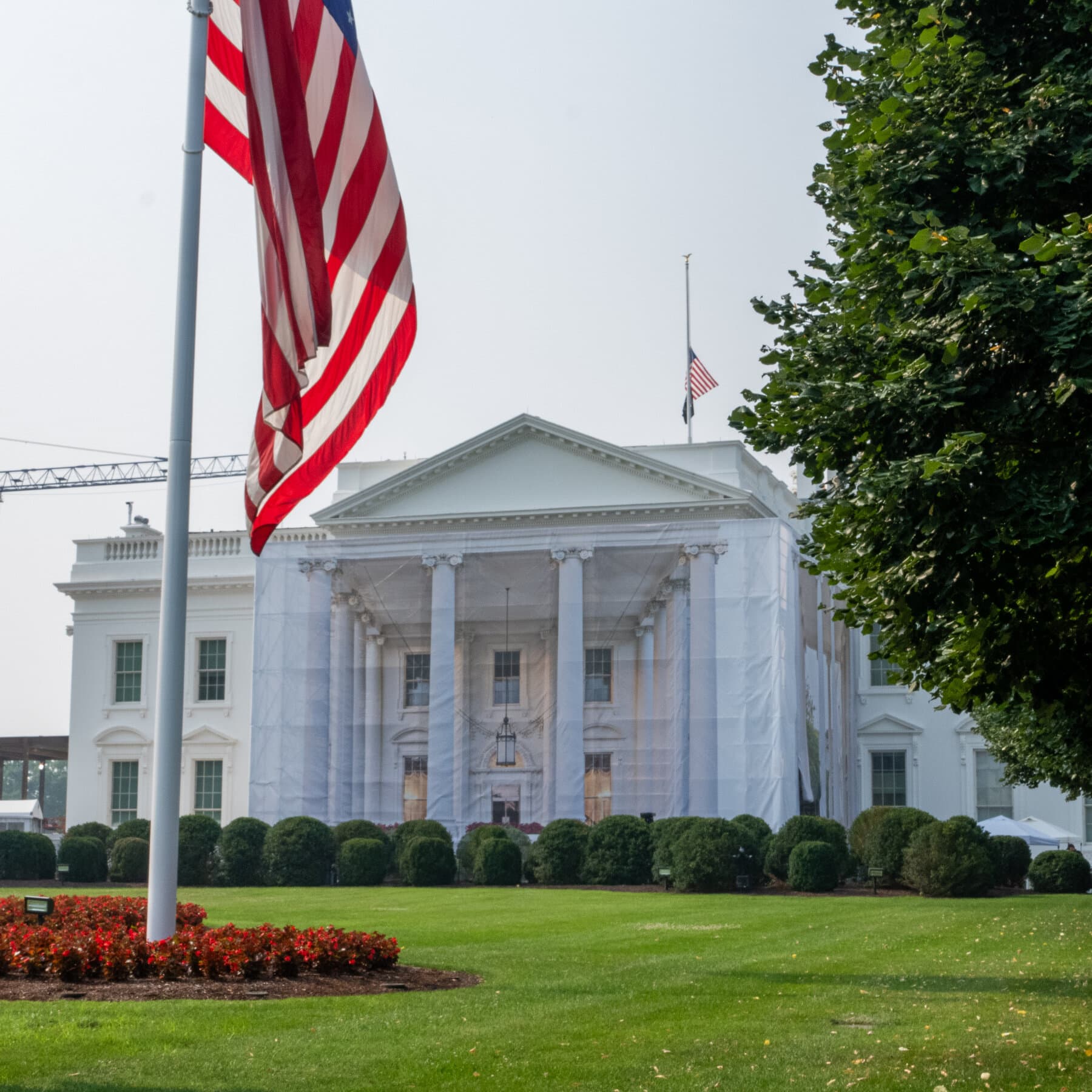
Here's what it means for you.
The ongoing debate within the U.S. government regarding Chinese advancements in artificial intelligence (AI) could have far-reaching implications for the tech industry and international relations. As officials weigh potential sanctions against China for alleged intellectual property theft, the outcome may redefine how nations approach AI regulation and collaboration. Stakeholders in the tech sector should prepare for possible shifts in policy that could impact market dynamics and competitive positioning. The internal divisions highlight the urgency of addressing the challenges posed by rapid technological advancements abroad. As the U.S. grapples with its response, the implications for global technology standards and economic partnerships are significant.
What happened
The U.S. government is currently engaged in a debate over how to respond to the rapid advancements in Chinese artificial intelligence technology. This discussion has been fueled by concerns regarding the alleged theft of American AI models, prompting some officials to consider sanctions against China. Meanwhile, others are exploring protective measures aimed at safeguarding the U.S. technology sector.
The White House is experiencing a lack of consensus on the appropriate course of action, with some officials advocating for immediate sanctions while others suggest a more measured approach. This internal conflict underscores the complexities of navigating international relations in the context of technological competition.
The Context
The backdrop of this debate involves China's strategic positioning as a leader in global AI regulation, which raises concerns for U.S. policymakers. Treasury Secretary Scott Bessent has indicated that sanctions could be on the table due to the alleged theft of AI models, reflecting a growing urgency to protect American intellectual property. The Trump administration's officials are also considering limits on Chinese AI models, further complicating the landscape.
As the U.S. and China continue to vie for dominance in AI technology, the implications for international relations and technology standards are profound. The timing of these discussions is critical, as both nations seek to assert their influence in a rapidly evolving global tech environment.
Takeaway
The ongoing debate within the U.S. government may lead to significant policy changes regarding AI technology and international relations. Potential sanctions against China could escalate tensions, impacting not only bilateral relations but also the broader tech landscape. As the situation evolves, further developments in U.S.-China AI relations will likely influence global technology standards.
Stakeholders should remain vigilant as the U.S. government navigates these complex issues, as the outcomes could reshape the competitive landscape for technology firms and redefine international collaboration in AI.
Global business headlines with AI angles.
"General business outlet that frequently covers AI."
— A47 Editor
American AI Companies Have Accused Chinese Counterparts Of Stealing. The Trump Admin Could Take Measures
U.S. Treasury Secretary Scott Bessent announced potential sanctions against China, citing concerns over the alleged theft of American artificial intelligence models. This move reflects ongoing tensions between U.S. and Chinese AI companies amid accus...
Markets, economy, and company analysis from NYT’s business desk.
"The New York Times is a globally recognized newspaper offering authoritative reporting with a center-left editorial stance."
— A47 Editor
Will the U.S. and China Build Walls Around A.I.?
Rapid advancements in artificial intelligence (AI) models in China have prompted discussions in Washington and Beijing regarding new protective measures for their respective technology sectors. Reports indicate that some officials from the Trump admi...
Reporting on emerging tech including AI.
"Magazine covering AI’s business and social impacts."
— A47 Editor
The Download: Chinese AI divides the White House, and a record copyright payout
Recent tensions in the AI sector have emerged as several advisors to former President Donald Trump publicly criticized leading U.S. AI companies, coinciding with China's rapid advancements in AI technology. This criticism reflects a growing divide wi...
Tech business coverage, major deals, product launches, and Silicon Valley trends.
"WSJ’s tech section offers authoritative reporting on the intersection of technology and business, including exclusive industry analysis."
— A47 Editor
Top American AI Execs Sound Alarm on Chinese Models
Top American AI executives have raised concerns regarding the rapid advancements in Chinese artificial intelligence, prompting a divided response from the White House, which is considering potential regulatory measures.
Science discoveries, research, and analysis.
"NPR is a nonprofit media organization offering thoughtful, in-depth journalism and storytelling, often with a liberal or progressive slant."
— A47 Editor
Who should regulate global AI? China makes a play for leadership
China is positioning itself as a leader in global artificial intelligence (AI) regulation, responding to the rapid advancements in AI technology and the need for governance. The Chinese government, led by President Xi Jinping, is advocating for a coo...