
EU Fails to Reach Consensus on Sanctions Against Israeli Minister Ben-Gvir
Here's what it means for you.
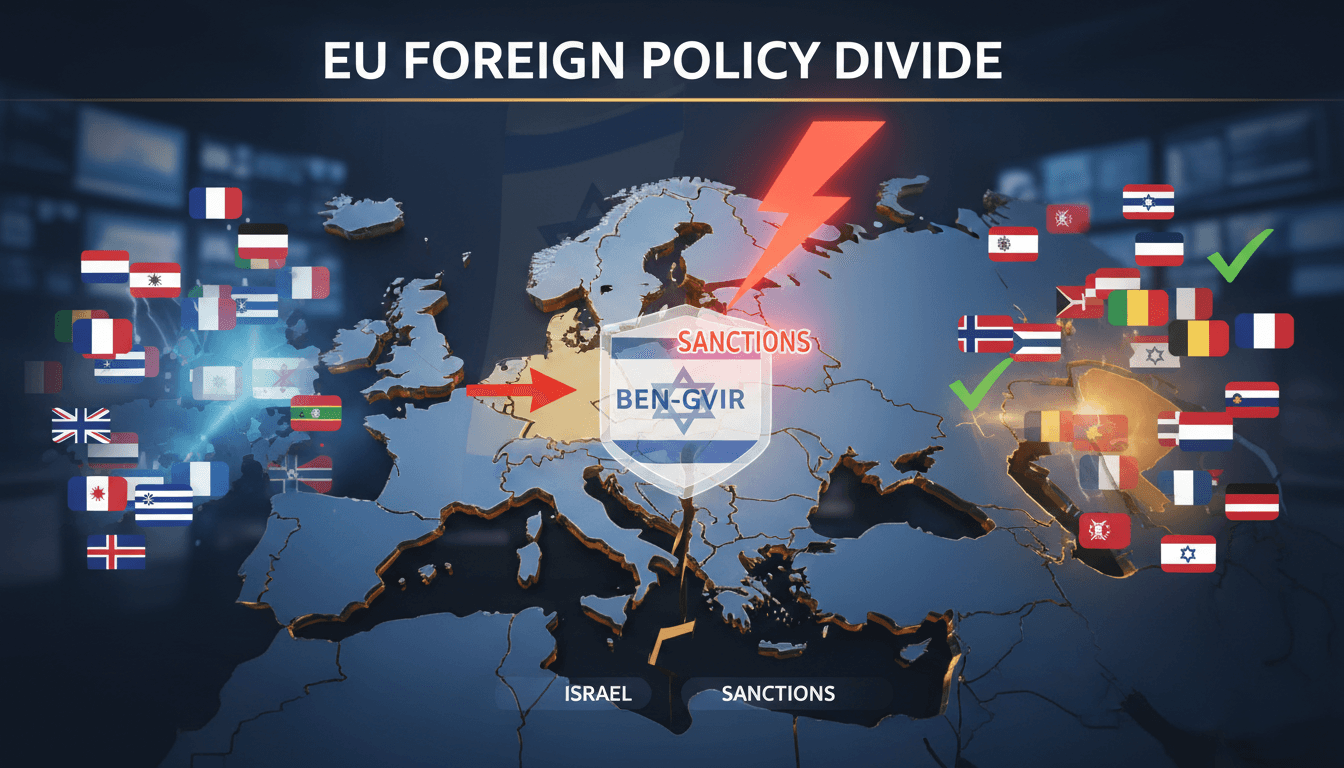
The European Union's inability to impose sanctions against Israeli Minister Itamar Ben-Gvir highlights significant divisions among member states. This lack of consensus may undermine the EU's credibility in foreign policy, particularly regarding Israel. As geopolitical tensions rise, the EU's fragmented stance could hinder its effectiveness in addressing humanitarian concerns and international reactions. The ongoing debate around Ben-Gvir's actions reflects deeper national interests that complicate unified EU responses. Stakeholders will need to navigate these complexities as they consider future diplomatic strategies.
What happened
The European Union's foreign ministers convened but failed to agree on sanctions against Israeli Minister Itamar Ben-Gvir. This decision came despite calls from several member states for action in response to Ben-Gvir's controversial behavior. EU diplomacy chief Kaja Kallas confirmed the division among member states, indicating a lack of agreement on how to proceed.
Ben-Gvir, a far-right National Security Minister in Israel, has faced international outrage for his recent actions, including taunting humanitarian activists. The failure to reach a consensus underscores the challenges the EU faces in formulating a cohesive foreign policy.
The Context
The situation surrounding Ben-Gvir is emblematic of broader divisions within the EU regarding Israel. With 27 member states, achieving unanimous agreement on foreign policy is inherently challenging. The differing national interests and reactions to Ben-Gvir's actions reveal the complexities of EU diplomacy.
As the EU grapples with its stance on Israel, the implications of this division may extend beyond immediate sanctions. The ongoing humanitarian concerns and international reactions to Ben-Gvir's actions will likely influence future discussions among member states.
Takeaway
Looking ahead, the EU may face increasing pressure to unify its stance on Israel, particularly in light of humanitarian issues. Future discussions on EU foreign policy regarding Israel are anticipated, as member states reassess their positions in light of the recent lack of consensus. Reactions from member states to this division will be crucial in shaping the EU's approach moving forward.
The complexities of EU foreign policy will continue to be tested as geopolitical challenges evolve. Stakeholders should monitor developments closely to understand the potential impacts on international relations.
Global news coverage with extensive reporting on Middle Eastern conflicts and geopolitics.
"Al Jazeera is a Qatar-based broadcaster known for wide regional coverage and alternative perspectives."
— A47 Editor
EU fails to agree on sanctions for far-right Israeli minister Ben-Gvir
The European Union remains divided on the issue of imposing sanctions against far-right Israeli minister Ben-Gvir, as confirmed by EU diplomacy chief Kaja Kallas. This lack of consensus highlights the complexities of EU-Israel relations amid ongoing ...
Comprehensive coverage of Middle Eastern and global issues.
"Al Jazeera is a prominent voice from the Global South, especially the Middle East, with an emphasis on underreported stories."
— A47 Editor
EU fails to agree on sanctions for far-right Israeli minister Ben-Gvir
The European Union remains divided on the issue of imposing sanctions against far-right Israeli minister Ben-Gvir, as confirmed by EU diplomacy chief Kaja Kallas. This lack of consensus highlights the complexities of EU-Israel relations amid ongoing ...
Regional and international reporting focused on Middle Eastern politics, diplomacy, and economics.
"Asharq Al-Awsat is a Saudi-owned international newspaper reflecting mainstream Gulf political perspectives."
— A47 Editor
No EU Consensus on Sanctioning Israeli Minister Ben-Gvir, Says Kallas
The European Union (EU) has not reached a consensus on imposing sanctions against Israeli National Security Minister Itamar Ben-Gvir, as stated by EU diplomacy chief Kaja Kallas. This division reflects ongoing tensions within the EU regarding its sta...
Regional coverage and analysis focused on politics, diplomacy, and business across the Middle East.
"Al-Monitor is known for analytical reporting on Middle East politics and policy developments."
— A47 Editor
No consensus for EU sanctions against Israel's Ben-Gvir, top diplomat says
EU foreign ministers have failed to reach a consensus on imposing sanctions against Israel's far-right National Security Minister Itamar Ben-Gvir, as stated by EU's top diplomat Kaja Kallas. This decision follows widespread outrage over Ben-Gvir's ac...