
Egypt and UAE Condemn Houthi Threats Against Saudi Arabia
Here's what it means for you.
The recent condemnation from Egypt and the UAE regarding Houthi threats signifies a critical moment for regional stability and maritime security in the Gulf. This unified stance may lead to increased diplomatic efforts among Gulf Cooperation Council countries to address escalating tensions. Stakeholders in international trade and security should closely monitor developments, as they could impact maritime routes and economic activities in the region. The situation underscores the fragile balance of power in the Middle East, where threats to maritime freedom can have far-reaching implications. As nations respond to these provocations, the potential for diplomatic solutions becomes increasingly vital.
What happened
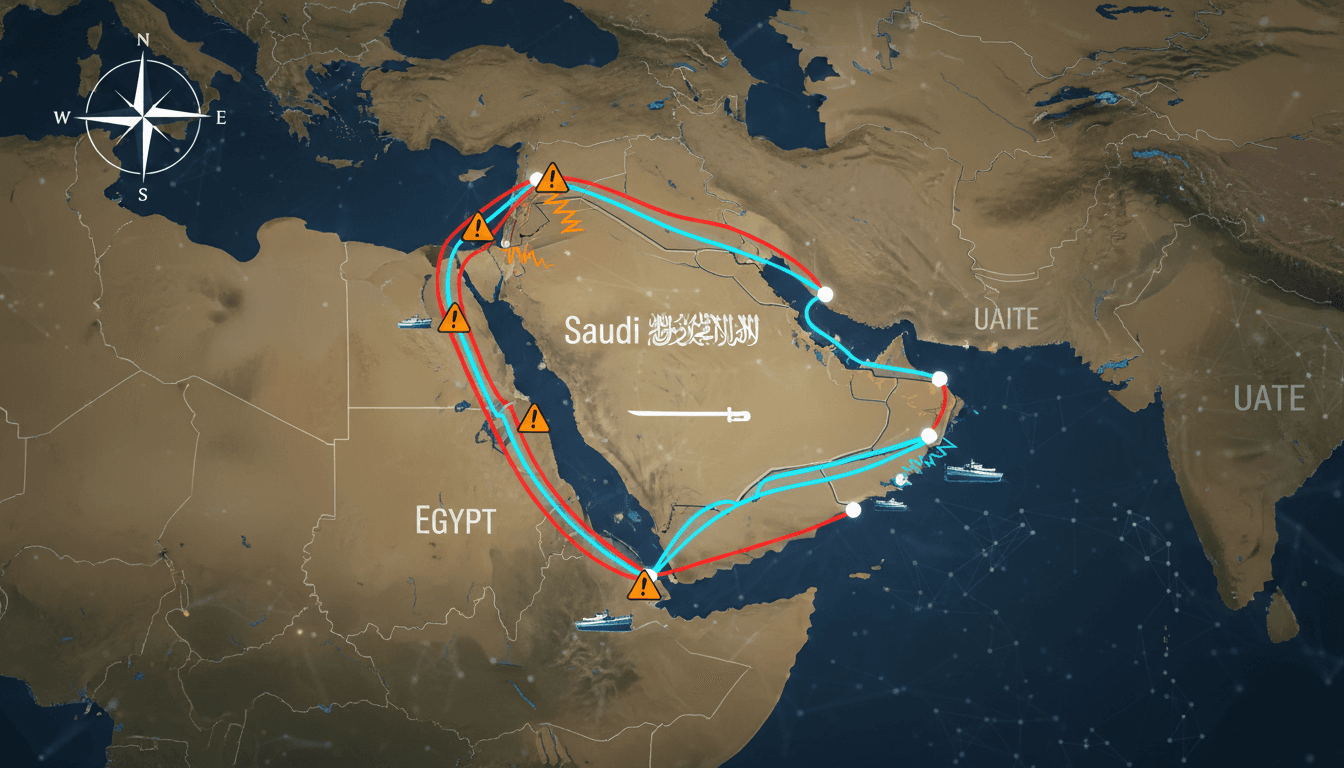
Egypt and the UAE have publicly condemned the Houthi group's threats to impose a maritime blockade on Saudi Arabia. This condemnation was articulated through official statements from both countries, emphasizing their solidarity with Saudi Arabia. The Houthi group announced its intention to target vessels linked to Saudi Arabia, escalating tensions in the region.
Egypt's foreign ministry characterized these threats as a violation of international law, while the UAE's foreign ministry expressed full support for Saudi Arabia. This joint response highlights the importance both nations place on maintaining regional stability and security.
The Context
The Houthi group's announcement of a maritime blockade represents a significant escalation in ongoing regional tensions. The timing of this threat coincides with heightened concerns among Arab nations regarding maritime security and the implications for international trade routes. Egypt and the UAE's condemnation reflects a broader consensus among Gulf nations about the need to uphold maritime freedom.
As regional stakeholders navigate these challenges, the potential for diplomatic solutions becomes increasingly critical. The involvement of other Arab nations in condemning the Houthi threats further emphasizes the collective desire for stability in the region.
Takeaway
Looking ahead, it will be essential to monitor further responses from other Gulf Cooperation Council countries regarding the Houthi threats. Developments in Houthi actions and international maritime security will likely shape the regional landscape in the coming weeks. The situation calls for increased diplomatic engagement to prevent further escalation and ensure the safety of maritime routes.
As tensions rise, the international community's role in facilitating dialogue and promoting adherence to international law will be crucial for maintaining stability in the region.
Arabic-language coverage of international news and geopolitics.
"RT Arabic is a Russian state-funded outlet often criticized for promoting Kremlin-aligned narratives."
— A47 Editor
الإمارات تدين تهديدات الحوثي للسعودية وتؤكد تضامنها الكامل
The UAE Ministry of Foreign Affairs condemned the statements made by the Houthis, which included threats to disrupt maritime navigation in Saudi Arabia. This condemnation reflects the UAE's stance against any actions that could threaten regional stab...
Arabic-language coverage of international news and geopolitics.
"RT Arabic is a Russian state-funded outlet often criticized for promoting Kremlin-aligned narratives."
— A47 Editor
مصر تدين تهديدات تستهدف السعودية
Egypt has strongly condemned the threats targeting Saudi Arabia's security, expressing full solidarity with Riyadh and support for its measures to protect its sovereignty and territorial integrity. This statement underscores Egypt's commitment to reg...
Arabic-language coverage of political affairs and current events.
"Okaz political coverage typically follows mainstream Saudi framing on national and regional affairs."
— A47 Editor
مصر تدين تهديدات الحوثيين للسعودية وتحذّر من تهديد الملاحة الدولية
Egypt has condemned the threats made by the Houthi group against Saudi Arabia, describing them as a reckless escalation that undermines regional security and threatens maritime safety and international trade. The Egyptian Foreign Ministry emphasized ...