
NRC proposes major overhaul of radiation safety rules to boost nuclear energy development
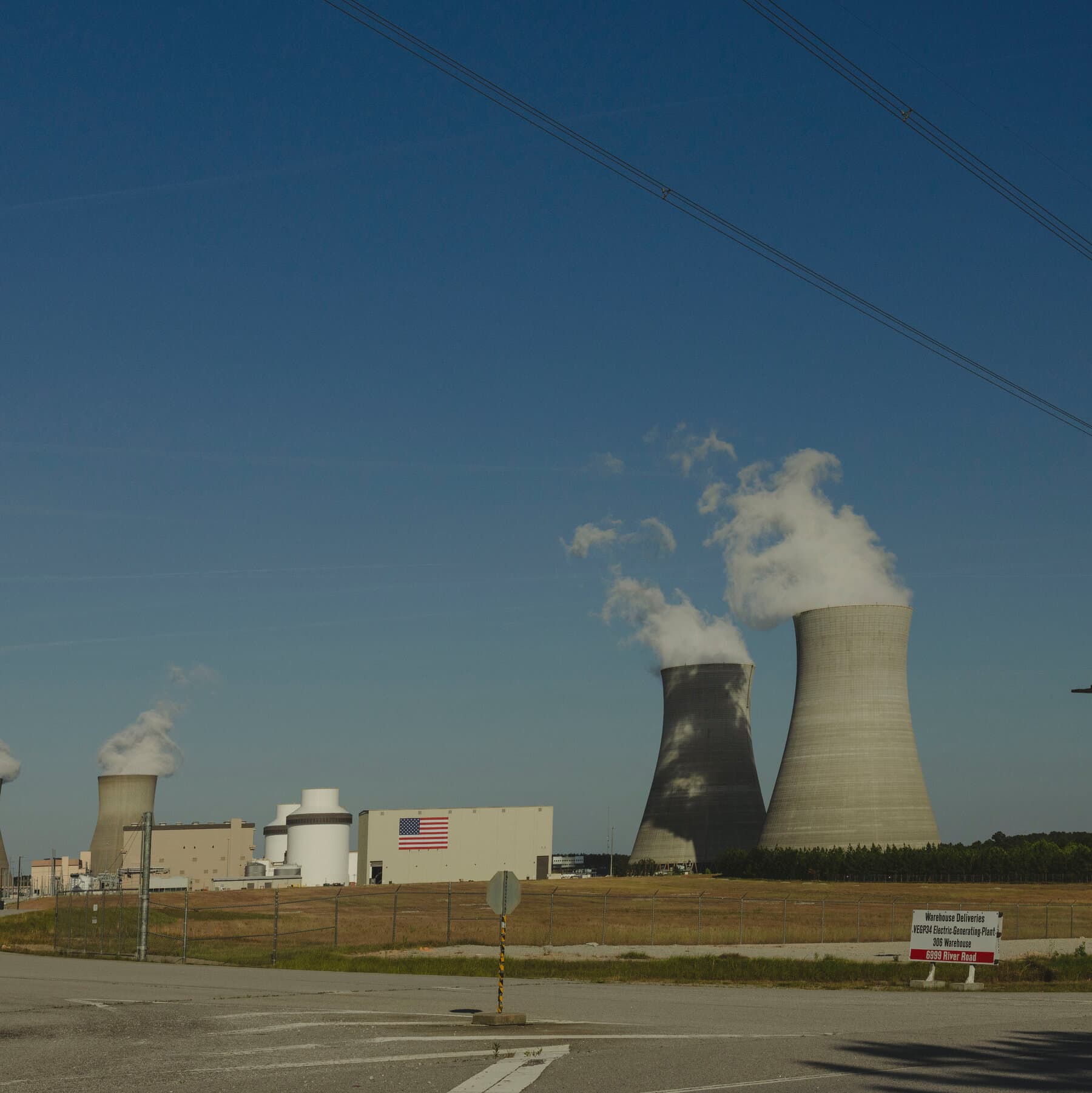
Here's what it means for you.
The U.S. Nuclear Regulatory Commission's proposed changes to radiation safety rules could significantly reshape the nuclear energy landscape. By eliminating outdated guidelines, the NRC aims to lower costs and regulatory barriers for new nuclear projects. This shift reflects a growing recognition of nuclear energy as a viable clean energy source amid rising energy demands. As the industry anticipates these changes, stakeholders will closely monitor the implications for safety and environmental standards. The potential resurgence in nuclear investment may also prompt discussions among public health advocates and environmental groups.
What happened
The U.S. Nuclear Regulatory Commission is proposing significant changes to its radiation safety rules, which have been in place for over 50 years. The new guidelines aim to facilitate the construction and operation of nuclear power plants by altering existing standards for radiation exposure. This move is part of a broader strategy to promote nuclear energy expansion in the United States.
The NRC plans to eliminate long-standing radiation exposure guidance to encourage nuclear power development. This proposal marks a pivotal shift in regulatory approach, reflecting the increasing interest in nuclear energy as a clean energy alternative.
The Context
The existing radiation exposure guidelines have been effective since the mid-1970s, making the proposed changes particularly noteworthy. By lowering costs and regulatory hurdles, the NRC hopes to stimulate new nuclear projects, aligning with the nation's clean energy goals. This shift comes at a time when energy demands are rising, and nuclear energy is being reconsidered as a sustainable option.
Stakeholders, including environmental groups and public health advocates, are expected to scrutinize the implications of these changes. The balance between promoting nuclear energy and ensuring safety and environmental protection will be a critical point of discussion as the NRC moves forward.
Takeaway
The NRC's proposed rule changes could reshape the future of nuclear energy in the U.S. by making it more accessible and economically viable. As the nuclear industry anticipates a resurgence in interest and investment, it will also face increased scrutiny regarding safety and environmental concerns.
Monitoring reactions from various stakeholders will be essential as the proposal progresses. Legislative developments regarding nuclear energy policies will also be crucial in determining the long-term impact of these changes.
Technology business and AI-related headlines.
"Data-driven tech newsroom with global scope."
— A47 Editor
Trump’s Nuclear Watchdog to Ditch 50-Year-Old Radiation Guidance
The US Nuclear Regulatory Commission has announced plans to eliminate radiation exposure guidance for power plant workers that has been in effect since the mid-1970s. This decision marks a significant shift in regulatory practices concerning worker s...
Technology business news, market impacts, and innovation trends.
"Bloomberg is a premier financial and tech news provider, respected for its in-depth reporting and analytical rigor."
— A47 Editor
Trump’s Nuclear Watchdog to Ditch 50-Year-Old Radiation Guidance
The US Nuclear Regulatory Commission has announced plans to eliminate radiation exposure guidance for power plant workers that has been in effect since the mid-1970s. This decision marks a significant shift in regulatory practices concerning worker s...
Oil, metals, and agriculture: supply/demand headlines, OPEC chatter, inventories, and price action.
"Solid tape for energy and metals traders tracking macro and micro catalysts."
— A47 Editor
US nuclear power regulator proposes changing rule protecting people from radiation
The US nuclear power regulator has proposed a change to the existing rule that protects individuals from radiation exposure, indicating a potential shift in regulatory standards. This proposal is part of ongoing efforts to reassess safety protocols w...
Scientific research, space, environment, and health coverage.
"The New York Times is a globally recognized newspaper offering authoritative reporting with a center-left editorial stance."
— A47 Editor
U.S. to Overhaul Radiation Safety Rules to Spur Nuclear Expansion
The Nuclear Regulatory Commission has announced plans to revise its longstanding guidance on radiation exposure, moving away from the principle that it should be 'as low as reasonably achievable.' This change aims to facilitate the construction and o...