
NATO foreign ministers to meet Gulf Arab counterparts to address Strait of Hormuz tensions
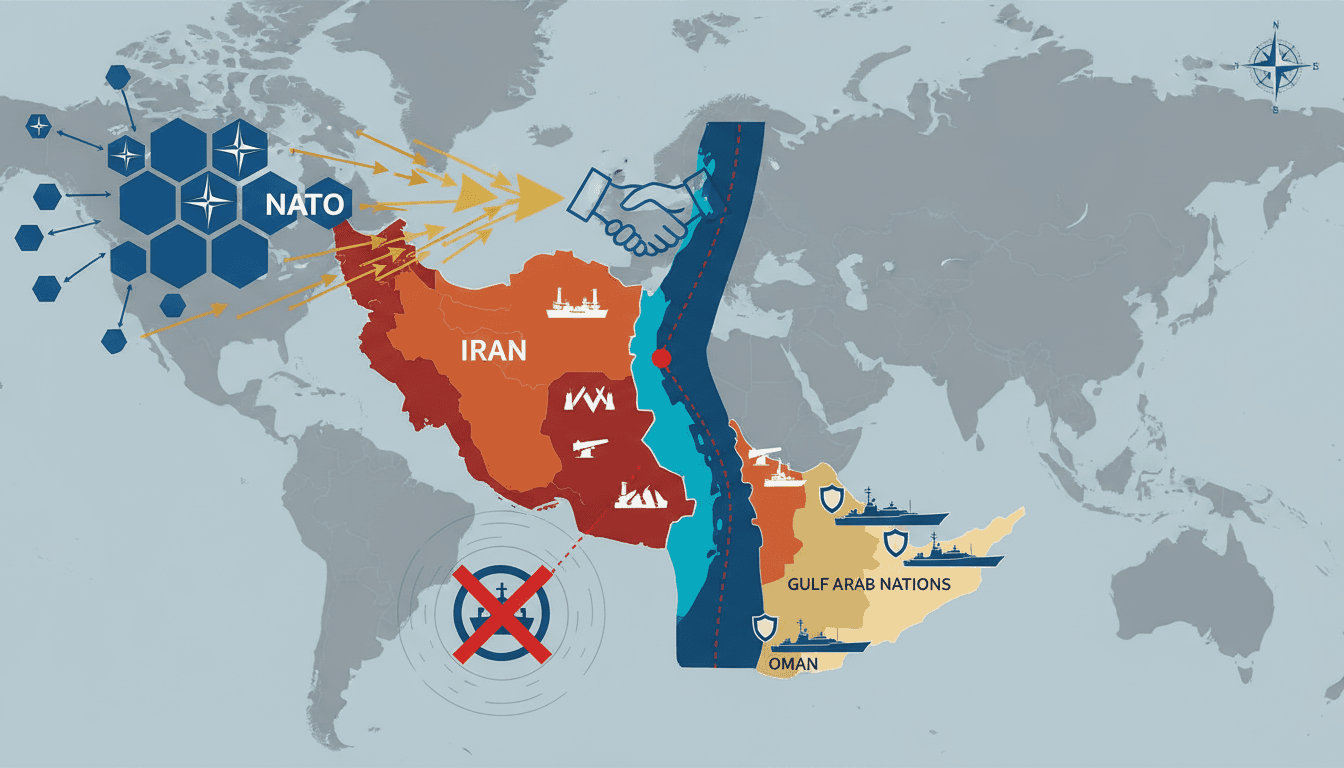
Here's what it means for you.
The upcoming NATO meeting with Gulf Arab nations is a critical moment for regional security, particularly concerning the Strait of Hormuz, a vital artery for global oil shipments. The discussions will likely shape future security arrangements and collaborative efforts in the Gulf, especially in light of Iran's rejection of a proposed multinational maritime mission. Stakeholders in the energy sector and international relations should closely monitor the outcomes, as they could have significant implications for oil prices and geopolitical stability.
What happened
NATO foreign ministers are set to convene with their counterparts from Gulf Arab nations to address escalating tensions in the Strait of Hormuz. This meeting is scheduled for July 8, 2026, and will include ministers from Bahrain, Kuwait, Qatar, and the UAE. The discussions come amid heightened regional tensions, despite a temporary peace deal between the U.S. and Iran.
The focus of the meeting will be on Iran's dismissal of a proposed multinational maritime mission aimed at securing the critical waterway. The outcome of these discussions could significantly influence future security arrangements in the Gulf region, as NATO allies seek to find a collaborative approach to ensure stability.
The Context
The Strait of Hormuz is a crucial passage for global oil trade, making its security a top priority for both NATO and Gulf Arab nations. Recent weeks have seen an escalation in tensions, prompting the need for urgent dialogue among key stakeholders. The meeting in Ankara represents a concerted effort to address these challenges and foster regional cooperation.
Iran's rejection of the multinational maritime mission underscores the complexities of the geopolitical landscape in the region. As NATO engages with Gulf states, the effectiveness of their collaboration will be essential in navigating the ongoing security challenges and maintaining stability in this vital area.
Takeaway
As NATO and Gulf Arab nations engage in discussions, the effectiveness of their cooperation will be crucial in addressing the security challenges in the Strait of Hormuz. Observers should watch for potential responses from Iran regarding the proposed maritime mission, as well as further developments in U.S.-Iran relations following the interim peace deal. The outcomes of these talks could set the stage for future security arrangements in the Gulf region.
The situation remains fluid, and the international community will be keenly interested in how these discussions unfold and their implications for regional stability and global oil markets.
Regional and international reporting focused on Middle Eastern politics, diplomacy, and economics.
"Asharq Al-Awsat is a Saudi-owned international newspaper reflecting mainstream Gulf political perspectives."
— A47 Editor
NATO, Gulf States Discuss Regional Security, Encourage Closer Cooperation
NATO and Gulf States officials convened to discuss regional security and the importance of closer cooperation amid rising tensions, particularly due to escalating military actions by Iran. This meeting reflects a strategic effort to enhance security ...
Oil, metals, and agriculture: supply/demand headlines, OPEC chatter, inventories, and price action.
"Solid tape for energy and metals traders tracking macro and micro catalysts."
— A47 Editor
NATO allies to discuss Hormuz tensions, mission with Gulf Arabs
NATO allies are set to discuss the rising tensions in the Strait of Hormuz and their mission with Gulf Arab nations, reflecting the alliance's ongoing engagement in regional security matters. This meeting comes amid increasing geopolitical pressures ...
Regional coverage and analysis focused on politics, diplomacy, and business across the Middle East.
"Al-Monitor is known for analytical reporting on Middle East politics and policy developments."
— A47 Editor
NATO allies to discuss Hormuz tensions, mission with Gulf Arabs
NATO foreign ministers are set to meet with Gulf Arab counterparts to discuss the ongoing tensions in the Strait of Hormuz, particularly focusing on a Franco-British proposal for a multinational maritime mission that Iran has rejected. This meeting w...