
UN Secretary-General calls for ban on lethal autonomous weapons
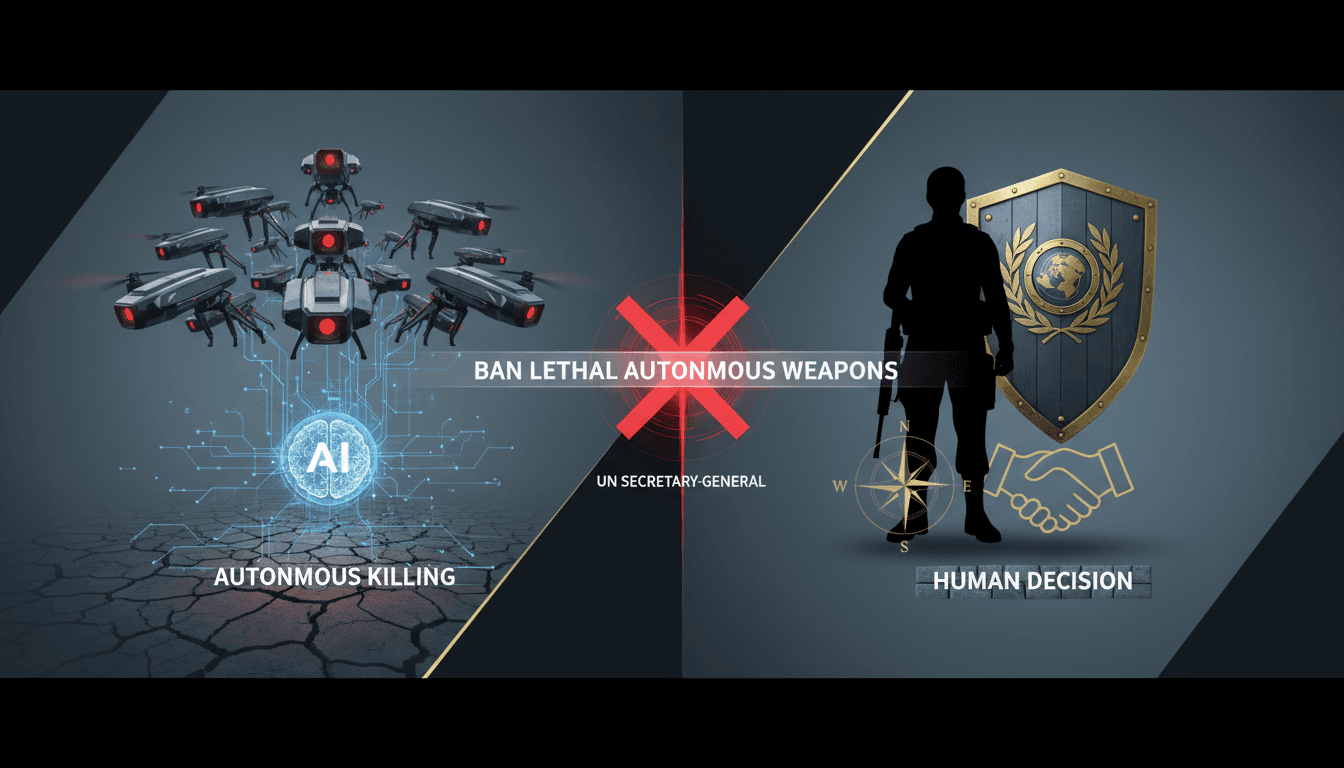
Here's what it means for you.
The call from UN Secretary-General António Guterres for a ban on lethal autonomous weapons signals a pivotal moment in the discourse surrounding artificial intelligence in military applications. As ethical concerns mount, stakeholders across various sectors must prepare for potential regulatory changes that could reshape the landscape of military technology. This development may also influence public perception and policy-making regarding AI's role in warfare. The implications extend beyond military ethics, potentially affecting technology companies and their partnerships with defense agencies. As discussions intensify, the need for clear guidelines and frameworks will become increasingly critical.
What happened
UN Secretary-General António Guterres has publicly urged for international laws to prohibit the use of lethal autonomous weapons, which he described as "morally repugnant." This statement highlights the growing urgency surrounding the regulation of artificial intelligence and autonomous military technologies. Guterres' remarks come in the wake of rising ethical concerns about the implications of AI in warfare, particularly following recent tensions between the US Department of Defense and AI companies.
The term "killer robots" has resurfaced in discussions, emphasizing the need for a comprehensive approach to address the ethical dilemmas posed by these technologies. Currently, there are no international laws regulating the use of autonomous weapons, underscoring the necessity for immediate action.
The Context
The call for a ban on autonomous weapons is part of a broader conversation about AI regulation and its ethical implications. Guterres' remarks are particularly timely, as they coincide with a clash between the US Department of Defense and AI developers, raising questions about the future of military technology. The issue has gained prominence due to recent technological advancements that have made the deployment of such weapons more feasible.
Global leaders, including religious figures like the Pope, have also expressed concerns about the dangers posed by AI, further amplifying the urgency of this discussion. As nations grapple with the implications of AI in military contexts, the dialogue surrounding regulation is becoming increasingly critical.
Takeaway
The push for regulation of AI and autonomous weapons is likely to intensify as ethical concerns grow. Stakeholders from various sectors, including technology companies and defense agencies, will need to engage in discussions to establish frameworks that ensure ethical standards and safety in the use of such technologies. Potential international treaties addressing AI and autonomous weapons may emerge as a response to Guterres' call.
As the debate continues, further statements from global leaders on AI regulation will be essential to shaping the future of military applications of AI. The outcome of these discussions could have lasting implications for both technology development and international security.
Curated tech headlines including AI stories.
"Influential aggregator surfacing the day’s top tech/AI links."
— A47 Editor
UN Secretary-General António Guterres calls for autonomous "killer robots" to be "banned by international law", a central issue in the US DOD-Anthropic clash (Sam Schechner/Wall Street Journal)
UN Secretary-General António Guterres has called for a global ban on autonomous weapons, commonly referred to as 'killer robots,' citing their moral implications and potential for misuse in warfare. This demand comes amid ongoing discussions about th...
Global business headlines with AI angles.
"General business outlet that frequently covers AI."
— A47 Editor
The Pope Has Warned About The Dangers Of AI. The UN Secretary General Now Wants Rules For 'Killer Robots'
Pope Leo XIV has raised concerns about the potential dangers of artificial intelligence (AI), aligning with UN Secretary-General Antonio Guterres's call for stricter regulations on AI technologies, particularly those capable of autonomous weaponry. T...
Tech business coverage, major deals, product launches, and Silicon Valley trends.
"WSJ’s tech section offers authoritative reporting on the intersection of technology and business, including exclusive industry analysis."
— A47 Editor
‘Killer Robots’ Must Be Banned, U.N. Secretary-General Says
U.N. Secretary-General António Guterres has called for a ban on lethal autonomous weapons, labeling them as 'morally repugnant.' This statement revives a contentious debate surrounding the ethical implications of artificial intelligence in warfare, p...