
Germany finalizes deal with US to acquire Tomahawk cruise missiles
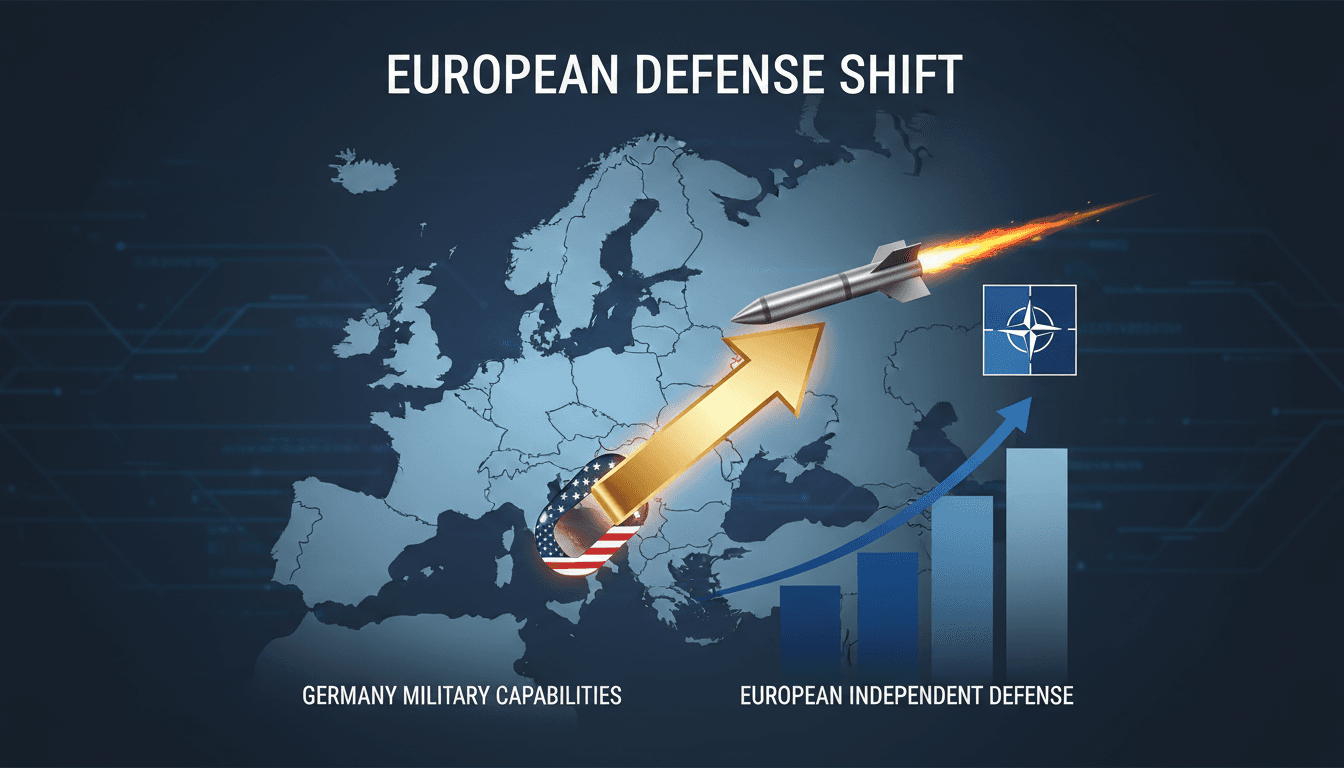
Here's what it means for you.
Germany's acquisition of Tomahawk cruise missiles from the United States signifies a pivotal shift in its defense strategy, moving towards greater military independence. This development may influence other European nations to enhance their own military capabilities, potentially reshaping the defense landscape across the continent. As Germany strengthens its long-range strike capabilities, the implications for NATO alliances and European defense strategies will be significant.
What happened
Germany has finalized a deal with the United States to purchase Tomahawk cruise missiles, a move announced by Chancellor Friedrich Merz during a NATO summit in Ankara on July 9, 2026. This agreement allows Germany to station these missiles within its territory, marking a significant enhancement of its long-range military capabilities. The deal is particularly noteworthy as Germany currently has zero long-range missiles deployed, underscoring the importance of this acquisition.
The decision to procure Tomahawk missiles reflects Germany's strategic pivot towards developing its own military capabilities, particularly in the context of ongoing discussions about Europe's defense independence from U.S. military support. This agreement is part of a broader trend among European nations seeking to bolster their military strength amid evolving global security challenges.
The Context
The announcement of the Tomahawk missile deal comes at a time when European nations are increasingly reassessing their defense strategies. The ongoing geopolitical landscape has prompted countries to seek greater military autonomy, reducing reliance on U.S. support. Chancellor Merz's announcement at the NATO summit highlights Germany's commitment to enhancing its defense posture in response to these challenges.
This acquisition is significant not only for Germany but also for the broader European defense framework. As nations like Germany invest in their military capabilities, it may lead to a shift in how NATO allies collaborate and respond to security threats. The deal also reflects the U.S. prioritizing its missile stockpiles while European countries continue to depend on American weaponry.
Takeaway
The acquisition of Tomahawk missiles by Germany may signal a broader shift in European defense strategies, prompting other nations to follow suit in enhancing their military capabilities. Observers should watch for potential reactions from NATO allies regarding Germany's military expansion and how this might influence collective defense strategies. Additionally, developments in European defense industry initiatives in response to this purchase will be crucial to monitor.
As Germany strengthens its military capabilities, the dynamics within NATO alliances could be altered, leading to a redefined approach to collective security in Europe. The implications of this deal extend beyond Germany, potentially reshaping the future of European defense collaboration.
Pan-Arab news coverage spanning politics, business, sports, and regional affairs.
"Asharq Al-Awsat reflects a broad Arab editorial perspective with strong attention to regional geopolitics."
— A47 Editor
ميرتس: الولايات المتحدة توافق على بيع ألمانيا صواريخ «توماهوك»
German Chancellor Friedrich Merz announced that the United States has agreed to sell Germany long-range cruise missiles known as Tomahawks, despite previous controversies surrounding their deployment plans.
Global markets, investing, and macroeconomics from a premier financial newsroom.
"Bloomberg is respected for in-depth financial reporting and data-driven analysis."
— A47 Editor
US Missile Stockpiles Under Pressure
Germany is set to purchase US Tomahawk missiles as part of its strategic shift towards enhancing its long-range military capabilities, amid ongoing discussions between the US and Europe regarding missile co-production. This move reflects Germany's co...
Conservative-leaning political and national coverage.
"The Washington Times is a conservative-leaning newspaper known for its political coverage and advocacy of right-of-center viewpoints."
— A47 Editor
Germany reaches deal with U.S. to buy long-range Tomahawk missiles, Merz says
Germany has finalized an agreement with the United States to acquire long-range Tomahawk cruise missiles, as announced by Chancellor Friedrich Merz. This deal marks a significant step in enhancing Germany's defense capabilities and reflects a strengt...
Regional coverage and analysis focused on politics, diplomacy, and business across the Middle East.
"Al-Monitor is known for analytical reporting on Middle East politics and policy developments."
— A47 Editor
Germany to buy US Tomahawks in shift towards own long-range capability
Germany has announced plans to purchase Tomahawk cruise missiles from the United States, marking a significant shift towards developing its own long-range strike capabilities. Chancellor Friedrich Merz confirmed the deal was finalized during a NATO s...
Market-moving headlines impacting equities, bonds, and related risk assets.
"Real-time catalysts and volatility drivers across indices and sectors."
— A47 Editor
Germany to buy US Tomahawks in shift towards own long-range capability
Germany has announced plans to purchase US Tomahawk missiles as part of a strategic shift towards developing its own long-range military capabilities. This decision aligns with Germany's broader rearmament strategy, which has gained momentum followin...
Regional and international reporting focused on Middle Eastern politics, diplomacy, and economics.
"Asharq Al-Awsat is a Saudi-owned international newspaper reflecting mainstream Gulf political perspectives."
— A47 Editor
Merz: US Approves Sale of Tomahawk Missiles to Germany
The United States has approved the sale of Tomahawk missiles to Germany, a significant step in enhancing Germany's military capabilities. Chancellor Friedrich Merz confirmed the deal during a NATO summit, emphasizing the importance of strengthening d...