
Iran Rejects U.S. Proposal to Use Frozen Assets for Gulf War Compensation
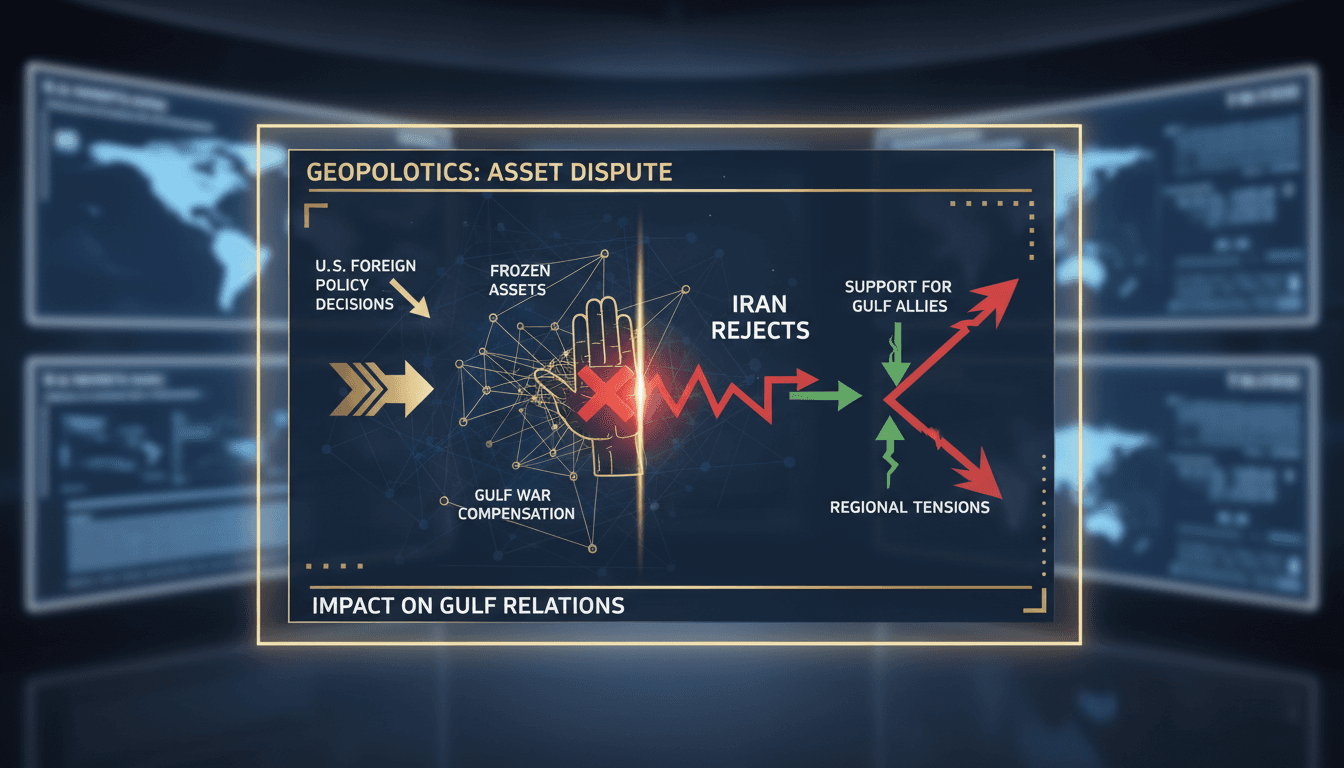
Here's what it means for you.
Iran's firm rejection of the U.S. proposal to use its frozen assets for compensating Gulf allies underscores the complexities of international relations in the region. This development may hinder U.S. efforts to support its allies amid ongoing conflicts, potentially impacting regional stability. Stakeholders should closely monitor how this rejection influences future diplomatic engagements and policy shifts.
What happened
Iran has officially dismissed reports suggesting that the U.S. could utilize its frozen assets to compensate Gulf allies for war damages. Deputy Foreign Minister Kazem Gharibabadi emphasized that regional governments are not entitled to reparations and that Iran's assets should not be viewed as spoils of war. This rejection highlights Iran's stance against any perceived appropriation of its resources by the U.S. for the benefit of its allies.
The discussions surrounding the potential use of Iranian assets come at a time when the U.S. is reportedly considering financial support for Gulf countries affected by ongoing conflicts. However, Iran's categorical denial complicates these plans and raises questions about the future of U.S.-Iran relations.
The Context
The backdrop of this situation involves strained relations between the U.S. and its Gulf allies, as well as ongoing conflicts in the region. The U.S. has been exploring various avenues to support its allies, including the controversial idea of tapping into frozen Iranian assets. However, Iran's Deputy Foreign Minister has made it clear that regional governments are not in a position to demand reparations, further complicating the dynamics.
This rejection is significant as it reflects Iran's unwillingness to concede any financial resources, which it views as critical to its sovereignty. The timing of these discussions is crucial, as they coincide with heightened tensions in the Middle East, making diplomatic resolutions even more challenging.
Takeaway
The rejection of the U.S. proposal by Iran may lead to increased tensions and challenges in addressing the needs of Gulf allies affected by conflict. Stakeholders should watch for potential shifts in U.S. policy regarding Iranian assets and how this might affect support for Gulf allies. Future developments in U.S.-Iran relations will be pivotal in determining the stability of the region and the effectiveness of U.S. diplomatic efforts.
As the situation evolves, the implications for regional stability and international relations remain significant. Observers should remain vigilant regarding any further announcements from both the U.S. and Iran that could impact the geopolitical landscape.
Capitol Hill news, legislation, and policy insight.
"The Hill specializes in U.S. politics and policy, with a focus on Capitol Hill developments and a reputation for insider reporting."
— A47 Editor
Iran dismisses reports US could use its assets to compensate allies
Iran has dismissed reports suggesting that the United States could utilize its assets to compensate regional allies for war damages. Deputy Foreign Minister Kazem Gharibabadi emphasized that Iran's neighbors are not in a position to demand reparation...
Regional coverage and analysis focused on politics, diplomacy, and business across the Middle East.
"Al-Monitor is known for analytical reporting on Middle East politics and policy developments."
— A47 Editor
Iran rejects idea of using its assets to pay damages to US allies
Iran's Deputy Foreign Minister Kazem Gharibabadi has firmly rejected the notion of using Iranian assets to compensate U.S. allies for damages incurred during conflicts, stating that regional governments lack the authority to demand reparations. He em...
Oil, metals, and agriculture: supply/demand headlines, OPEC chatter, inventories, and price action.
"Solid tape for energy and metals traders tracking macro and micro catalysts."
— A47 Editor
Iran rejects idea of using its assets to pay damages to US allies
Iran has firmly rejected the proposal to utilize its assets for compensating U.S. allies for damages incurred during military conflicts, emphasizing its stance against such measures. This rejection comes amidst ongoing geopolitical tensions between I...
Global business headlines with AI angles.
"General business outlet that frequently covers AI."
— A47 Editor
U.S. Reportedly Considering Using Frozen Iranian Assets To Finance Rebuilding In Gulf Allies
The U.S. is reportedly considering utilizing frozen Iranian assets to finance the reconstruction efforts of Gulf allies that have suffered damages from Iranian strikes. This proposal reflects ongoing discussions about the financial implications of U....
Editor-curated FT homepage stories spanning markets, business, world, and opinion.
"The Financial Times is a globally respected business publication with a centrist/center-left tone and strong markets focus."
— A47 Editor
US weighs using Iranian assets to compensate Gulf allies for war damage
The United States is considering the use of Iranian assets to compensate Gulf allies for damages incurred during recent military conflicts. This proposal arises amid strained relations between the Trump administration and regional partners, highlight...