
U.S. military strikes Iranian targets in the Strait of Hormuz
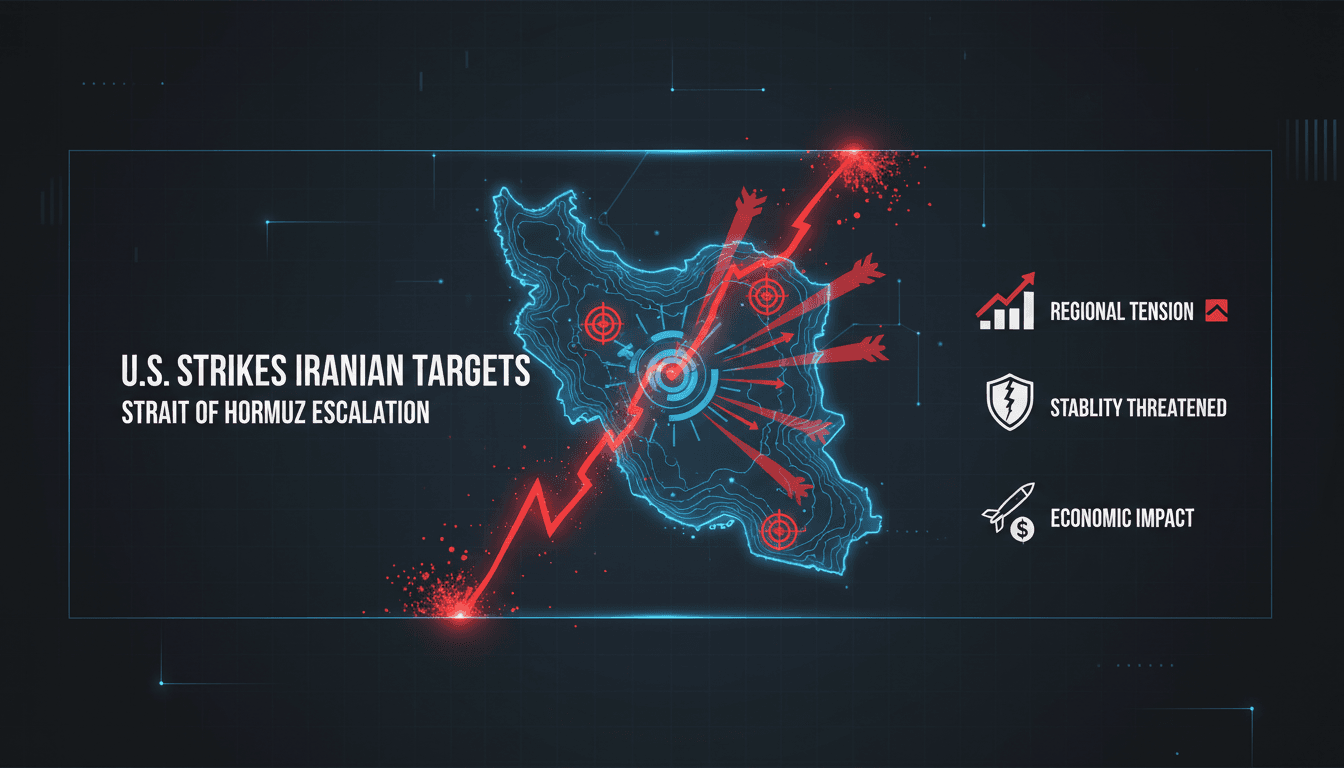
Here's what it means for you.
The recent U.S. military strikes against Iranian targets in the Strait of Hormuz signal a significant escalation in regional tensions. This development may have far-reaching implications for global oil markets and maritime security, given the strategic importance of this waterway. Stakeholders in the energy sector should closely monitor potential disruptions that could arise from retaliatory actions by Iran. As the U.S. continues to assert its military presence, the geopolitical landscape in the Middle East may shift, impacting diplomatic relations and trade routes. The ongoing conflict underscores the delicate balance of power in the region, which could influence policy decisions in Washington and beyond.
What happened
The U.S. military executed strikes targeting Iranian missile systems and naval assets near the Strait of Hormuz. These actions were confirmed by an American official and reported by Axios, highlighting the ongoing tensions in the region. The strikes specifically targeted radar systems, missile storage facilities, and drones associated with the Iranian Revolutionary Guard.
This military engagement reflects a broader strategy by the U.S. to counter Iranian military capabilities. The operation involved multiple types of Iranian military assets, indicating a comprehensive approach to diminishing Iran's influence in the area.
The Context
The Strait of Hormuz is a critical maritime route, making it a focal point for U.S.-Iran relations. The U.S. has been increasingly active in countering Iranian military capabilities, particularly as tensions have escalated in recent months. This latest round of strikes is part of a larger effort to assert U.S. presence and deter Iranian aggression in the region.
The ongoing conflict between the U.S. and Iran has significant implications for regional stability and international trade. As both nations navigate this complex landscape, the potential for further military engagements remains high, raising concerns among global stakeholders.
Takeaway
The situation in the Strait of Hormuz may escalate further as the U.S. continues to target Iranian military infrastructure. Observers should watch for potential Iranian responses to these military actions, which could include retaliatory strikes or increased naval activity in the region.
Further developments in U.S.-Iran relations will be crucial in shaping the geopolitical landscape in the coming weeks. The ongoing conflict underscores the importance of diplomatic efforts to de-escalate tensions and maintain stability in this vital area.
Arabic-language political and world news coverage for UAE readers.
"Emarat Al Youm world coverage usually presents international developments through a UAE and Arab audience lens."
— A47 Editor
"أكسيوس": الجيش الأميركي نفذ ضربات عدة ضد أهداف إيرانية "أكسيوس": الجيش الأميركي نفذ ضربات عدة ضد أهداف إيرانية
Axios reported that the U.S. military has conducted multiple strikes against Iranian targets and systems, as confirmed by an American official. This development highlights ongoing tensions between the U.S. and Iran, reflecting the complexities of mil...
Arabic-language coverage of international news and geopolitics.
"RT Arabic is a Russian state-funded outlet often criticized for promoting Kremlin-aligned narratives."
— A47 Editor
"أكسيوس": الجيش الأمريكي نفذ عدة ضربات استهدفت أنظمة صواريخ وزوارق صغيرة بمحيط مضيق هرمز
Axios reported that the U.S. military conducted several strikes targeting missile systems and fast boats belonging to the Iranian Revolutionary Guard in the vicinity of the Strait of Hormuz. These actions indicate a significant escalation in military...
Jordanian news and regional updates.
"Roya News is a Jordanian outlet focused on breaking news and local affairs."
— A47 Editor
أكسيوس عن مسؤول أمريكي: الضربات استهدفت رادارات ومنشآت تخزين وإطلاق الصواريخ والمسيرات في إيران
According to Axios, a U.S. official reported that recent strikes targeted radar systems and facilities for storing and launching missiles and drones in Iran. These actions indicate a strategic move to undermine Iran's military capabilities, particula...