
U.S. bank regulators issue guidance against lending to undocumented immigrants
Here's what it means for you.
The recent guidance from U.S. bank regulators signals a significant shift in the financial landscape for undocumented immigrants. By discouraging lending to this demographic, regulators are likely to exacerbate financial exclusion, pushing these individuals towards informal financial systems. This move raises critical questions about access to essential financial services and the broader implications for economic participation among undocumented workers. As financial institutions adjust to this guidance, the potential for increased reliance on alternative financial networks may emerge. Advocacy groups are expected to respond, potentially leading to legal challenges that could reshape the regulatory environment.
What happened
On July 13, 2026, U.S. bank regulators issued a warning to financial institutions against lending to undocumented workers. This guidance is rooted in concerns about the risks associated with lending to individuals who are not authorized to work in the U.S. The regulators' stance reflects a broader regulatory trend aimed at minimizing perceived risks in lending practices.
The warning specifically targets banks and financial institutions, urging them to reconsider their lending policies. This decision could significantly limit financial access for undocumented workers, who may increasingly find themselves without essential banking services.
The Context
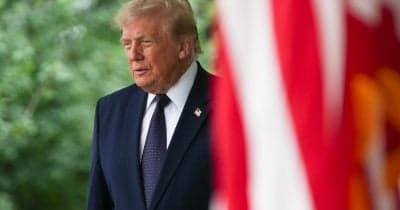
The guidance from U.S. bank regulators is part of a regulatory approach that has been linked to the Trump administration's policies. By discouraging loans to undocumented immigrants, the regulators aim to mitigate perceived risks that could arise from lending to individuals lacking legal work authorization. This decision is likely to have far-reaching implications for the financial behavior of undocumented workers.
As financial institutions navigate this new guidance, the potential for increased reliance on informal financial systems becomes a pressing concern. Undocumented individuals may turn to alternative financial networks, which could expose them to higher risks and less favorable terms.
Takeaway
Looking ahead, the implications of this regulatory guidance will be critical to monitor, particularly regarding the financial access of undocumented workers. Advocacy groups may challenge the guidance legally, which could lead to shifts in the regulatory landscape. Additionally, the impact on the financial behavior of undocumented individuals will be essential to observe as they adapt to these new constraints.
The evolving regulatory environment may prompt further discussions about the rights and financial inclusion of undocumented immigrants in the U.S. Stakeholders will need to remain vigilant as these developments unfold.
Research, news, and analysis on blockchain startups, DeFi, and regulations.
"Crypto Briefing provides research, news, and analysis on blockchain startups, DeFi, and crypto regulations with investor-focused coverage."
— A47 Editor
US bank regulators warn firms on lending to undocumented workers, raising questions about financial access
US bank regulators have issued guidance warning financial institutions against lending to undocumented workers, raising concerns about their access to financial services. This move could push these individuals towards informal financial systems, limi...
Macro commentary, policy analysis, growth/inflation themes, and global outlooks.
"Contextual macro coverage that complements day-to-day market headlines."
— A47 Editor
U.S. bank regulators warn firms on lending to undocumented workers
U.S. bank regulators have issued warnings to financial institutions regarding the risks associated with lending to undocumented workers, highlighting concerns over compliance and potential legal repercussions. This move reflects a tightening stance o...
Markets desk coverage, trading insights, and investor updates.
"WSJ’s markets reporting provides in-depth analysis and context for investors."
— A47 Editor
Trump Regulators Seek to Discourage Loans to Undocumented Immigrants
Financial regulators under the Trump administration have issued guidance urging banks to be cautious about providing loans to undocumented immigrants, highlighting the perceived risks associated with lending to individuals not authorized to work in t...