
US Resumes Maritime Blockade and Airstrikes Against Iran
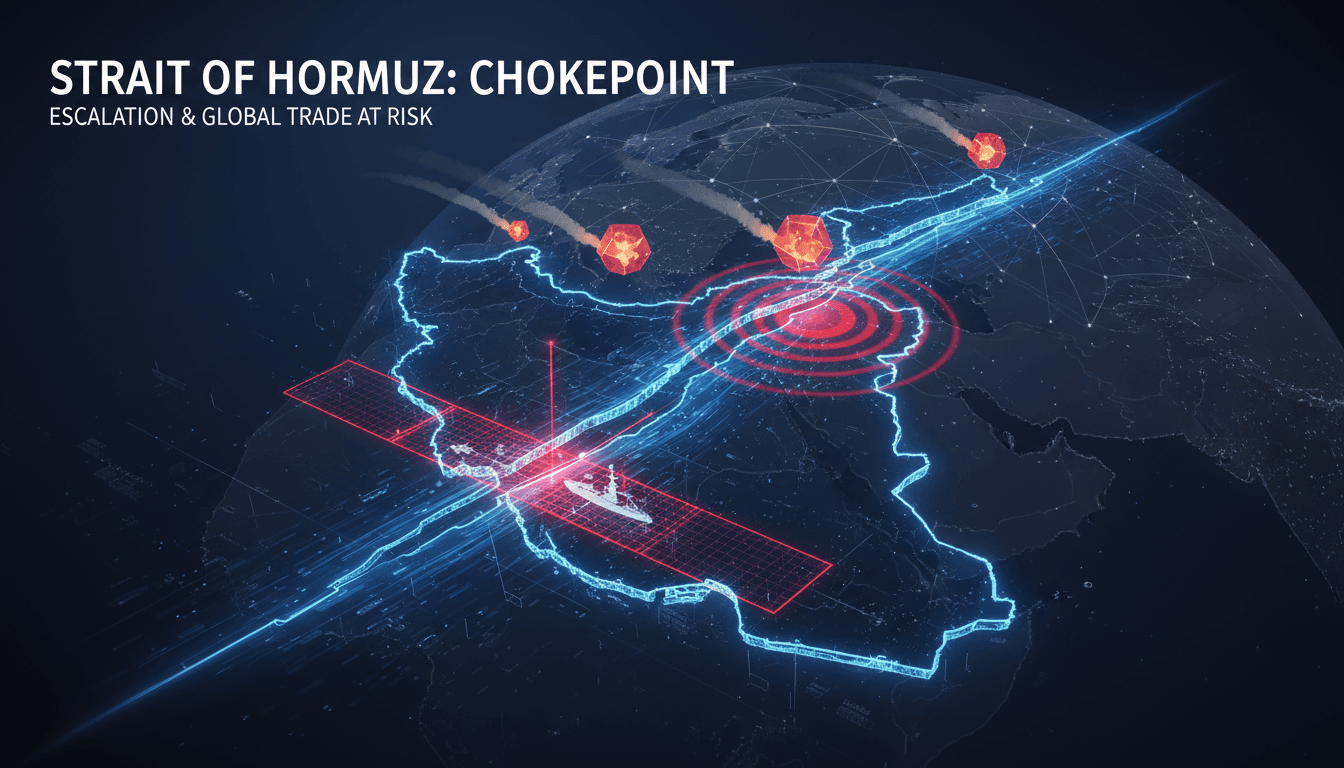
Here's what it means for you.
The resumption of the U.S. maritime blockade and airstrikes against Iran signals a significant escalation in regional tensions, impacting global shipping and security dynamics. Stakeholders in the shipping industry should prepare for potential disruptions in the Strait of Hormuz, a critical passage for oil and goods. Policymakers will need to closely monitor the situation as it unfolds, considering the implications for international relations and energy markets.
What happened
The U.S. Central Command has resumed its maritime blockade against Iran, a move aimed at controlling shipping routes and enhancing regional security. This blockade was announced on July 14, 2026, and is accompanied by new airstrikes targeting Iranian military capabilities that threaten commercial shipping in the Strait of Hormuz. The airstrikes were reported the following day, July 15, 2026, marking a significant escalation in U.S. military operations in the region.
These actions are part of a broader strategy to counter Iranian influence in the Gulf, reflecting ongoing tensions that have persisted for years. The U.S. aims to ensure the safety of commercial vessels navigating this vital waterway, which is crucial for global trade.
The Context
The maritime blockade and airstrikes come amid heightened concerns over Iranian military activities that pose risks to commercial shipping. The Strait of Hormuz is a strategic chokepoint through which a significant portion of the world's oil supply passes, making its security paramount for global markets. The U.S. has long viewed Iranian actions in the region as a direct threat to international shipping and regional stability.
As the U.S. intensifies its military presence, the potential for conflict in the Gulf increases. This situation necessitates close monitoring of both U.S. and Iranian responses, as any miscalculation could lead to broader military engagement. The international community will also be watching closely, as reactions to these developments could shape future diplomatic efforts.
Takeaway
The situation in the Gulf is likely to remain tense as the U.S. continues its military operations against Iran. Observers should watch for potential Iranian responses to these actions, which could escalate the conflict further. Additionally, international reactions to the renewed U.S. blockade and airstrikes will be critical in determining the next steps for diplomacy in the region.
As military actions escalate, the implications for global shipping and energy markets will be significant. Stakeholders must remain vigilant and prepared for potential disruptions as the situation evolves.
Arabic-language coverage of international news and geopolitics.
"RT Arabic is a Russian state-funded outlet often criticized for promoting Kremlin-aligned narratives."
— A47 Editor
القيادة المركزية الأمريكية تشن موجة جديدة من الضربات على إيران
The U.S. Central Command announced on Wednesday the initiation of a new wave of airstrikes targeting Iran, aimed at destroying military capabilities that threaten commercial shipping in the Strait of Hormuz. This action underscores ongoing tensions i...
Jordanian news and regional updates.
"Roya News is a Jordanian outlet focused on breaking news and local affairs."
— A47 Editor
القيادة المركزية الأمريكية: ضربات إضافية ضد إيران وبدء سريان الحصار البحري
The U.S. Central Command has announced additional strikes against Iran and the implementation of a maritime blockade, indicating an escalation in military actions in the region. This development follows ongoing tensions and conflicts involving Iran, ...
Arabic-language political and world news coverage for UAE readers.
"Emarat Al Youm world coverage usually presents international developments through a UAE and Arab audience lens."
— A47 Editor
القيادة المركزية الأميركية: استأنفنا فرض الحصار البحري على إيران القيادة المركزية الأميركية: استأنفنا فرض الحصار البحري على إيران
The U.S. Central Command has announced the resumption of maritime sanctions on vessels traveling to and from Iranian ports, indicating a renewed focus on controlling maritime activities in the region. This decision reflects ongoing tensions between t...