
U.S. escalates military strikes against Iran in the Strait of Hormuz
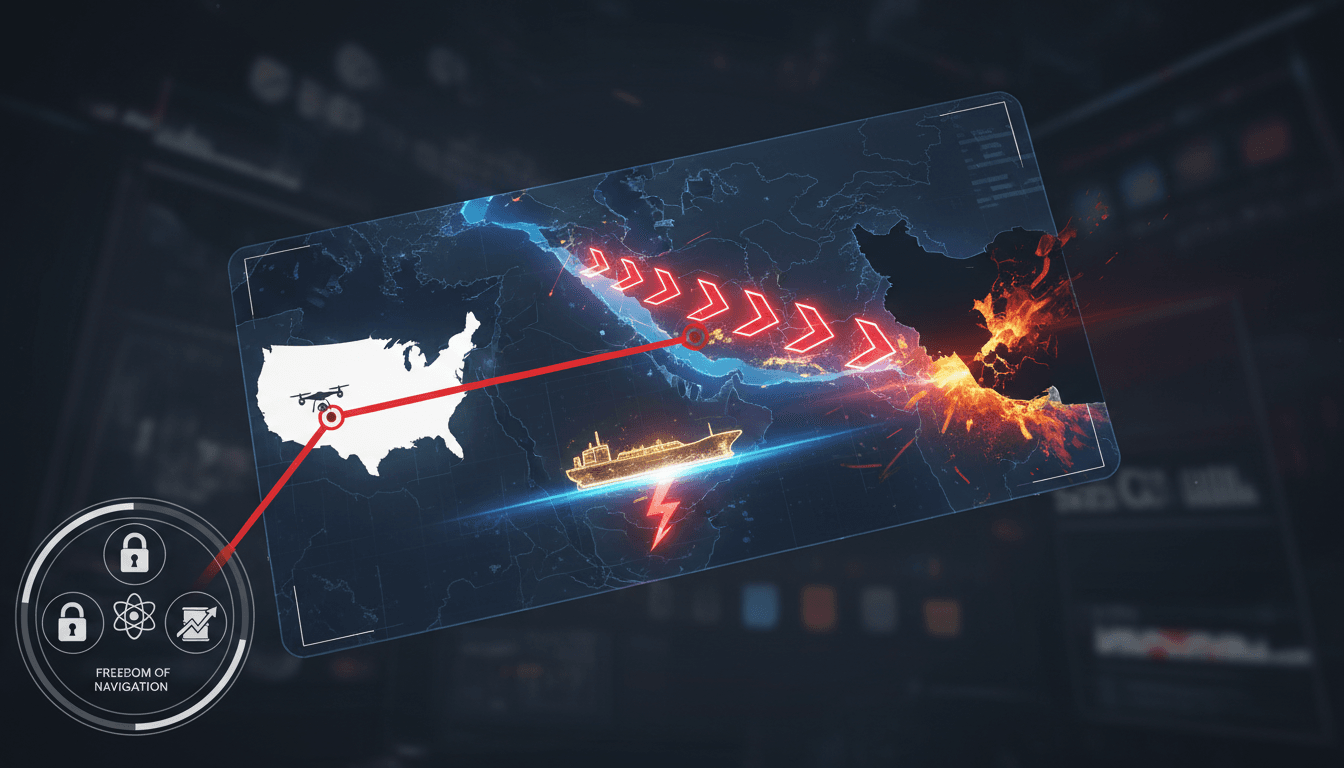
Here's what it means for you.
The recent escalation of U.S. military strikes against Iran in the Strait of Hormuz signals a significant shift in U.S. foreign policy, emphasizing the importance of securing maritime routes for global oil supply. This development may lead to increased volatility in oil markets, affecting prices and availability. Stakeholders in energy sectors should prepare for potential disruptions as tensions rise in the region. The ongoing conflict could also have broader implications for international relations, particularly regarding nuclear negotiations with Iran. As both nations remain entrenched in their positions, the likelihood of a diplomatic resolution appears slim, raising concerns for regional stability.
What happened
The U.S. has intensified its military operations against Iran, launching new strikes aimed at disrupting Iranian activities in the strategically vital Strait of Hormuz. These military actions are part of a broader strategy to ensure freedom of navigation for oil tankers and to weaken Iran's military capabilities. Reports indicate that over 30 civilians have been killed in these strikes, underscoring the human cost of the escalating conflict.
The U.S. Central Command has confirmed these new strikes, which target Iranian military assets. In response, Iranian officials have reported casualties among their military personnel due to the U.S. airstrikes. This situation marks a shift towards a prolonged low-intensity conflict, characterized by limited attacks rather than full-scale war.
The Context
The U.S. aims to compel Iran to allow free passage for oil tankers and return to nuclear negotiations, a goal complicated by Iran's assertion of control over the Strait. The collapse of a previous agreement has heightened tensions, reducing diplomatic avenues for resolution. As both sides engage in limited skirmishes, the potential for ongoing conflict looms large.
The Strait of Hormuz is a critical chokepoint for global oil shipments, making the stakes particularly high for international markets. The U.S. military's actions reflect a strategic shift towards a sustained campaign against Iran's influence in the region. This precarious balance of power raises concerns about the future of U.S.-Iran relations and the stability of the Middle East.
Takeaway
The ongoing military engagement suggests a protracted conflict that could destabilize the region and impact global oil markets. As both the U.S. and Iran remain entrenched in their positions, the likelihood of further escalation appears high. Observers should watch for potential Iranian retaliation against U.S. interests in the region, which could further complicate the situation.
Future developments in U.S.-Iran negotiations or military strategies will be critical to monitor. The current trajectory indicates that both nations may continue to engage in limited attacks while avoiding full-scale war, leading to a sustained period of tension in the Strait of Hormuz.
Pan-Arab news coverage spanning politics, business, sports, and regional affairs.
"Asharq Al-Awsat reflects a broad Arab editorial perspective with strong attention to regional geopolitics."
— A47 Editor
«مسؤولون»: الضربات الأميركية على إيران تعزز خيارات ترمب لتصعيد جديد
Three U.S. officials reported that the latest wave of American strikes on Iran aims to open the Strait of Hormuz while also targeting Iranian military capabilities. This escalation reflects ongoing tensions in the region and the strategic importance ...
Arabic-language coverage of political affairs and current events.
"Okaz political coverage typically follows mainstream Saudi framing on national and regional affairs."
— A47 Editor
ترمب يؤجل المواجهة الكبرى.. أمريكا وإيران دخلتا حرب استنزاف
Israeli leadership sources revealed that the confrontation between the United States and Iran has entered a prolonged low-intensity war of attrition, with Iran targeting oil tankers and the U.S. striking smaller targets in southern Iran. The U.S. mil...
Arabic-language coverage of political affairs and current events.
"Okaz political coverage typically follows mainstream Saudi framing on national and regional affairs."
— A47 Editor
«نيويورك تايمز»: واشنطن تسعى لإجبار طهران على السماح بحرية الملاحة
The New York Times reports that the primary goal of the new U.S. military campaign against Iran is to compel Tehran to allow the free passage of oil tankers and commercial ships through the Strait of Hormuz, aiming to bring Iran back to the negotiati...
Arabic-language coverage of political affairs and current events.
"Okaz political coverage typically follows mainstream Saudi framing on national and regional affairs."
— A47 Editor
حرب إيران.. مرحلة استنزاف جديدة ولا تسوية في الأفق
The U.S. conflict with Iran has entered a new phase of escalation following the collapse of a memorandum of understanding, with military and economic pressure being applied to compel Tehran to relinquish control over the strategic Strait of Hormuz. D...