
U.S. Intensifies Military Actions Against Iran in Strait of Hormuz
Here's what it means for you.
The recent escalation of U.S. military actions in the Strait of Hormuz signals a significant shift in maritime security dynamics. This development could impact global oil markets and shipping routes, raising concerns among stakeholders about potential disruptions. Companies operating in or reliant on these shipping lanes should prepare for increased volatility and potential operational challenges. As tensions rise, the need for diplomatic engagement becomes critical to avoid further military confrontations. The situation underscores the importance of monitoring U.S.-Iran relations closely, as any miscalculation could have far-reaching consequences.
What happened
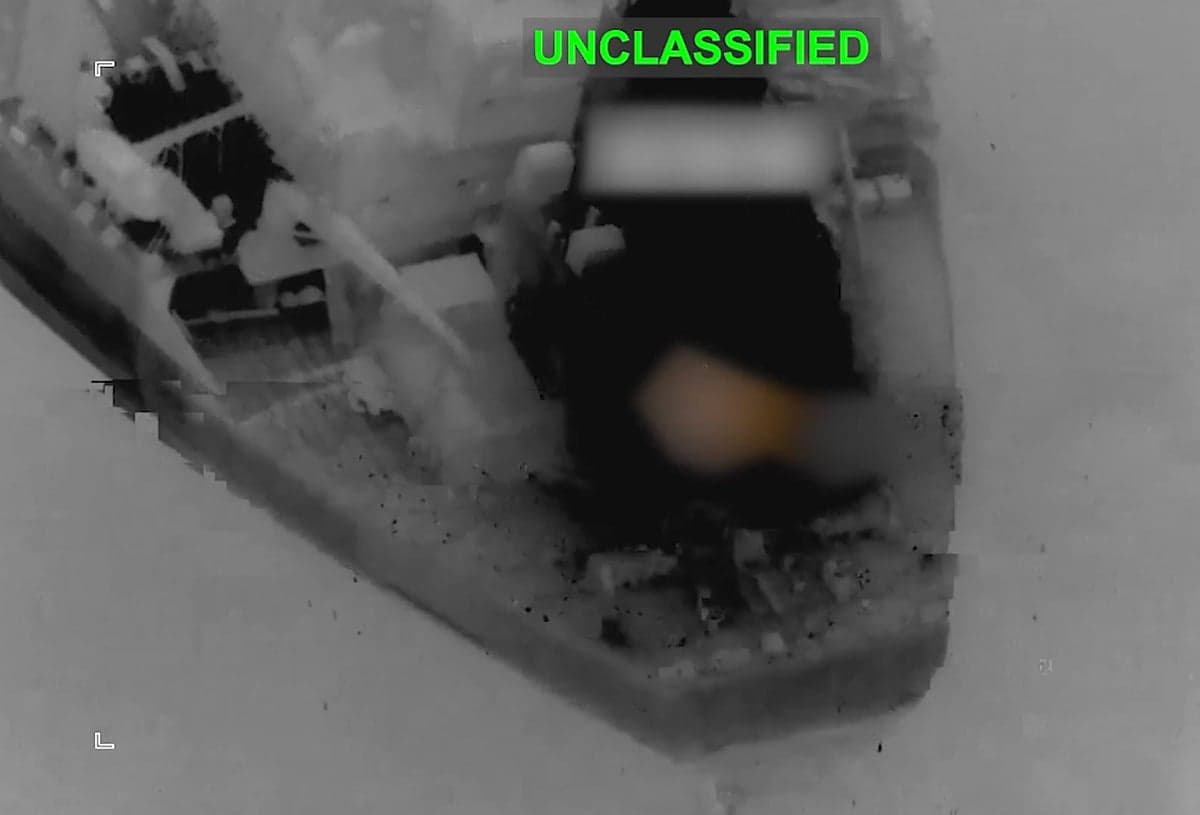
The U.S. has conducted strikes on Iranian military targets and resumed a naval blockade in the Strait of Hormuz. These actions were taken to address perceived threats to maritime security in the region. The strikes were completed at 10 p.m. EDT, following the blockade's resumption at 4 p.m. EDT earlier that day.
The U.S. Navy has deployed over 20 warships to enforce the blockade, highlighting the seriousness of the situation. The targeted Iranian military capabilities were reportedly used to threaten vessels navigating through this critical shipping corridor.
The Context
This escalation follows ongoing tensions between the U.S. and Iran regarding maritime security, particularly in the Strait of Hormuz, a vital route for global oil transport. The U.S. aims to ensure safe passage for vessels in the region, which is crucial for international trade. Stakeholders, including oil markets and shipping companies, are closely monitoring these developments.
The timing of these military actions reflects a broader strategy to counter Iranian influence and protect shipping routes from potential threats. As the U.S. increases its military presence, the potential for further confrontations remains high, necessitating a careful diplomatic approach.
Takeaway
The situation in the Strait of Hormuz remains volatile, with the potential for further military engagement. Observers should monitor developments regarding U.S.-Iran relations and any responses from Iran concerning the recent strikes and blockade. Diplomatic efforts may be necessary to de-escalate tensions and prevent a broader conflict.
As the U.S. continues to assert its military presence, the implications for global shipping and oil markets could be significant. Stakeholders should remain vigilant and prepared for any shifts in the geopolitical landscape.
UAE-based newspaper covering Gulf politics, society, and international developments.
"Gulf News is one of the UAE’s most prominent English-language publications."
— A47 Editor
US launches fresh strikes on Iranian military sites near Strait of Hormuz
The United States has launched a new wave of airstrikes targeting Iranian military sites near the strategically vital Strait of Hormuz, marking a significant escalation in military tensions in the region. This operation follows a series of confrontat...
A curated Gulf News feed featuring major stories across news, business, opinion, and lifestyle.
"Gulf News is a major UAE newspaper whose featured stories feed reflects a broad editorial mix shaped for a Gulf audience."
— A47 Editor
US launches fresh strikes on Iranian military sites near Strait of Hormuz
The United States has launched a new wave of airstrikes targeting Iranian military sites near the strategically vital Strait of Hormuz, marking a significant escalation in military tensions in the region. This operation follows a series of confrontat...
UAE-based newspaper covering Gulf politics, society, and international developments.
"Gulf News is one of the UAE’s most prominent English-language publications."
— A47 Editor
US Navy fires on oil tanker as Iran blockade resumes: 1 vessel disabled, 2 turned back — CentCom
The US Navy has engaged an oil tanker in the Strait of Hormuz, disabling one vessel and turning back two others, amid a renewed blockade on Iranian ports. This action follows a series of Iranian missile attacks on commercial ships, escalating tension...
A curated Gulf News feed featuring major stories across news, business, opinion, and lifestyle.
"Gulf News is a major UAE newspaper whose featured stories feed reflects a broad editorial mix shaped for a Gulf audience."
— A47 Editor
US Navy fires on oil tanker as Iran blockade resumes: 1 vessel disabled, 2 turned back — CentCom
The US Navy has engaged an oil tanker in the Strait of Hormuz, disabling one vessel and turning back two others, amid a renewed blockade on Iranian ports. This action follows a series of Iranian missile attacks on commercial ships, escalating tension...
Arabic-language political and world news coverage for UAE readers.
"Emarat Al Youm world coverage usually presents international developments through a UAE and Arab audience lens."
— A47 Editor
سنتكوم: استهداف القدرات العسكرية الإيرانية المستخدمة لتهديد السفن في مضيق هرمز سنتكوم: استهداف القدرات العسكرية الإيرانية المستخدمة لتهديد السفن في مضيق هرمز
The U.S. military announced on Wednesday the initiation of a second wave of targeted strikes against Iran, focusing on Iranian military capabilities that threaten shipping in the Strait of Hormuz. This action underscores the ongoing tensions in the r...
Capitol Hill news, legislation, and policy insight.
"The Hill specializes in U.S. politics and policy, with a focus on Capitol Hill developments and a reputation for insider reporting."
— A47 Editor
US hits 'dozens' of military targets in additional round of strikes
U.S. Central Command (Centcom) announced the completion of additional airstrikes on 'dozens' of military targets in Iran, particularly near the Strait of Hormuz, following the resumption of a naval blockade. The strikes were executed at 10 p.m. EDT, ...