
U.S.-Iran negotiations face setback as Iran halts peace talks
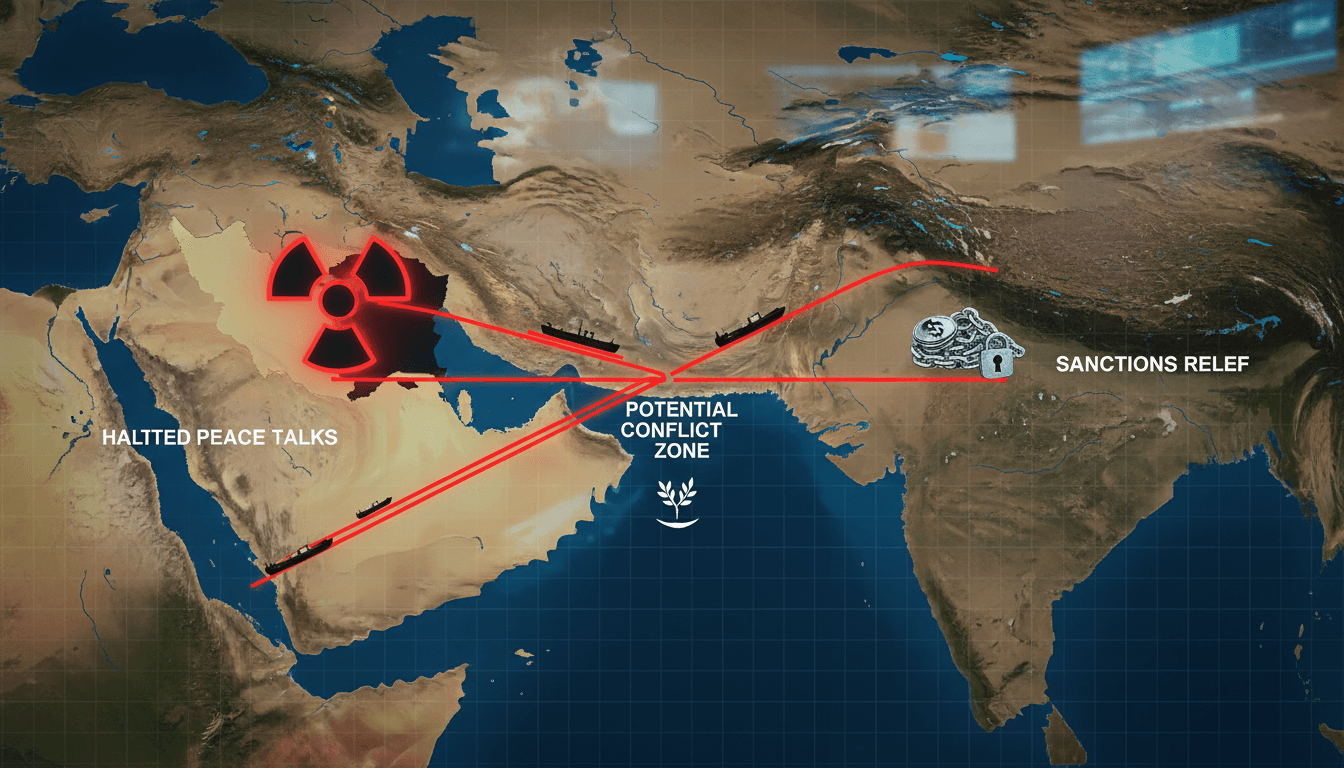
What happened
Secretary of State Marco Rubio testified before Congress, indicating that U.S.-Iran negotiations are ongoing but have been complicated by Iran's recent declaration to cease peace talks. Despite this setback, Rubio noted that Iran is now willing to discuss aspects of its nuclear program that were previously off the table. However, the U.S. has not offered sanctions relief, which remains a critical point of contention.
Rubio emphasized that any potential sanctions relief would be contingent upon Iran making genuine commitments regarding its nuclear activities. The situation is fluid, and the U.S. continues to maintain a strong blockade on Iranian ports as part of its negotiation strategy.
The Context
The backdrop of these negotiations involves a complex interplay of regional security concerns and international diplomacy. Iran's willingness to engage on its nuclear program marks a potential shift, yet its decision to halt peace talks raises alarms about the stability of the Strait of Hormuz. This strait is vital for global oil supply, making the outcome of these negotiations particularly significant.
Rubio described the Iranian regime as "crumbling," suggesting that internal pressures may be influencing Tehran's approach to negotiations. The U.S. has made it clear that any concessions will require substantive commitments from Iran, highlighting the delicate balance of power in these discussions.
Takeaway
As the U.S. navigates this complex diplomatic landscape, the outcome of the negotiations remains uncertain. Observers should monitor any changes in Iran's stance on nuclear discussions and the potential for renewed dialogue. Additionally, developments related to the U.S. budget request for national security and foreign affairs could further influence the dynamics of these negotiations.
The situation in the Strait of Hormuz will be a critical area to watch, as any escalation could have far-reaching implications for both regional stability and global oil supply. Stakeholders should remain alert to how these negotiations evolve in the coming weeks.
Capitol Hill news, legislation, and policy insight.
"The Hill specializes in U.S. politics and policy, with a focus on Capitol Hill developments and a reputation for insider reporting."
— A47 Editor
Watch live: Rubio testifies before House as US-Iran negotiations stall
Secretary of State Marco Rubio is set to testify before the House Appropriations Committee regarding President Trump's fiscal 2027 budget request, amid stalled negotiations between the U.S. and Iran over the ongoing conflict and the reopening of the ...
News from the United States including domestic politics, society, and culture.
"The Guardian is known for its progressive editorial stance and in-depth analysis, often advocating for social justice, environmental issues, and liberal values."
— A47 Editor
Rubio says Iran ready to discuss nuclear deal as Tehran declares peace talks over
U.S. Secretary of State Marco Rubio stated that Iran is now willing to negotiate aspects of its nuclear program, a significant shift from its previous stance just a month ago. This announcement comes amid Tehran's declaration that it is halting peace...
Arabic-language coverage of political affairs and current events.
"Okaz political coverage typically follows mainstream Saudi framing on national and regional affairs."
— A47 Editor
عاجل | روبيو: النووي على الطاولة.. ونظام إيران متصدّع
U.S. Secretary of State Marco Rubio described the Iranian regime as 'fractured' during a congressional hearing, emphasizing that a response from Iran may take days. He expressed hope that Iran would open the Strait of Hormuz, warning that if Iran ins...
Conservative-leaning political and national coverage.
"The Washington Times is a conservative-leaning newspaper known for its political coverage and advocacy of right-of-center viewpoints."
— A47 Editor
Rubio details U.S. redlines in negotiations with Iran
Secretary of State Marco Rubio emphasized the U.S. commitment to reopening the Strait of Hormuz and securing concessions from Iran during ongoing negotiations. This statement reflects the U.S. stance on a critical maritime route essential for global ...
English-language news from Qatar covering domestic and regional affairs.
"Gulf Times reflects Qatari perspectives on regional developments."
— A47 Editor
Rubio: US has not offered Iran sanctions relief to reopen strait
U.S. Secretary of State Marco Rubio stated that the Trump administration has not offered sanctions relief to Iran in exchange for reopening the Strait of Hormuz, emphasizing the importance of this strategic waterway. Rubio's comments come amid ongoin...