
US House passes war powers resolution limiting military action against Iran
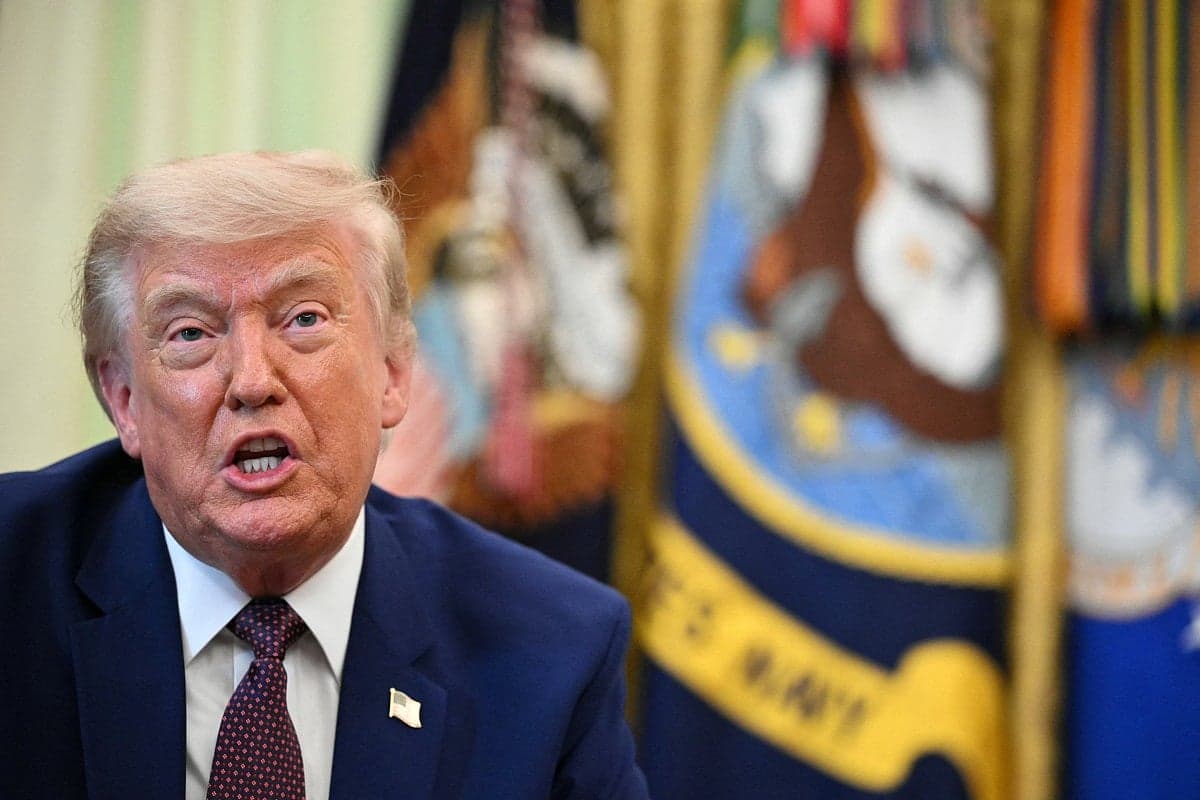
Here's what it means for you.
The recent passage of a war powers resolution by the US House of Representatives signifies a pivotal moment in congressional authority over military actions. This bipartisan effort, which saw four Republicans join Democrats, reflects a growing concern regarding military engagements without explicit approval. The implications of this resolution may lead to a more cautious approach in future military actions, requiring clearer authorization from Congress. As tensions with Iran continue, this legislative move could reshape the dynamics of US foreign policy and military strategy. It underscores the increasing willingness of Congress to assert its role in decisions that could lead to military conflict.
What happened
The US House of Representatives voted to pass a war powers resolution aimed at limiting President Trump's military authority concerning Iran. The resolution was approved with a vote of 215 to 208, indicating significant bipartisan support. This legislative action is viewed as a setback for the President regarding his ability to engage in further military actions against Iran.
The resolution reflects a growing trend of congressional oversight over military actions, particularly in light of ongoing tensions with Iran. By passing this resolution, the House has taken a decisive step to curtail the President's military authority.
The Context
The passage of the war powers resolution comes amid increasing congressional concern over military engagements that occur without explicit approval. This legislative action highlights the evolving relationship between Congress and the executive branch regarding military authority. The involvement of four House Republicans in supporting the resolution further emphasizes the bipartisan nature of this issue.
As the political landscape shifts, the resolution may signal a broader movement towards greater congressional oversight of military actions. This change could have lasting implications for how the US engages in foreign conflicts, particularly in volatile regions like the Middle East.
Takeaway
Looking ahead, the resolution's passage may prompt responses from the Trump administration regarding its military authority. Future congressional actions related to military engagements and foreign policy will likely be closely monitored. This legislative shift could lead to a requirement for more explicit authorization for military actions, fundamentally altering the approach to US military strategy.
As Congress continues to assert its authority, the implications for future military engagements will be significant. Observers should watch for potential changes in how military actions are authorized and executed in the coming months.
UAE-based newspaper covering Gulf politics, society, and international developments.
"Gulf News is one of the UAE’s most prominent English-language publications."
— A47 Editor
The US House voted against Trump’s Iran war. Can it actually stop it?
The US House of Representatives voted against President Trump's military actions in Iran, signaling a significant political shift as the House seeks to curb the administration's war powers. This decision reflects growing concerns among lawmakers rega...
Global news coverage with extensive reporting on Middle Eastern conflicts and geopolitics.
"Al Jazeera is a Qatar-based broadcaster known for wide regional coverage and alternative perspectives."
— A47 Editor
Video: US House of Representatives votes to block further war on Iran
The Republican-led U.S. House of Representatives passed a resolution to block any further military action against Iran, reflecting a significant shift in legislative power concerning foreign military engagements. This resolution was approved with a n...
Comprehensive coverage of Middle Eastern and global issues.
"Al Jazeera is a prominent voice from the Global South, especially the Middle East, with an emphasis on underreported stories."
— A47 Editor
Video: US House of Representatives votes to block further war on Iran
The Republican-led U.S. House of Representatives passed a resolution to block any further military action against Iran, reflecting a significant shift in legislative power concerning foreign military engagements. This resolution was approved with a n...
Market-moving headlines impacting equities, bonds, and related risk assets.
"Real-time catalysts and volatility drivers across indices and sectors."
— A47 Editor
US House votes to block Trump’s Iran war authority
The US House of Representatives has voted to restrict President Trump's authority to conduct military actions against Iran without congressional approval, marking a significant political shift amid ongoing tensions in the region. This resolution pass...
Pan-Arab news coverage spanning politics, business, sports, and regional affairs.
"Asharq Al-Awsat reflects a broad Arab editorial perspective with strong attention to regional geopolitics."
— A47 Editor
في انتكاسة لترمب... «النواب الأميركي» يدعم إجراء قد ينهي حرب إيران
The U.S. House of Representatives voted in favor of a measure that could potentially end the conflict with Iran, with a majority of 215 votes to 208. This decision saw four Republican members joining Democrats in support of the resolution.
Conservative-leaning political and national coverage.
"The Washington Times is a conservative-leaning newspaper known for its political coverage and advocacy of right-of-center viewpoints."
— A47 Editor
House passes war powers resolution to end hostilities in Iran, weakens Trump's negotiating leverage
The U.S. House of Representatives passed a war powers resolution aimed at ending hostilities with Iran, with four Republicans joining Democrats in the vote, which concluded with a narrow margin of 215 to 208. This decision reflects a significant bipa...