
Arab nations condemn Iranian missile and drone attacks on Bahrain, Kuwait, and Jordan
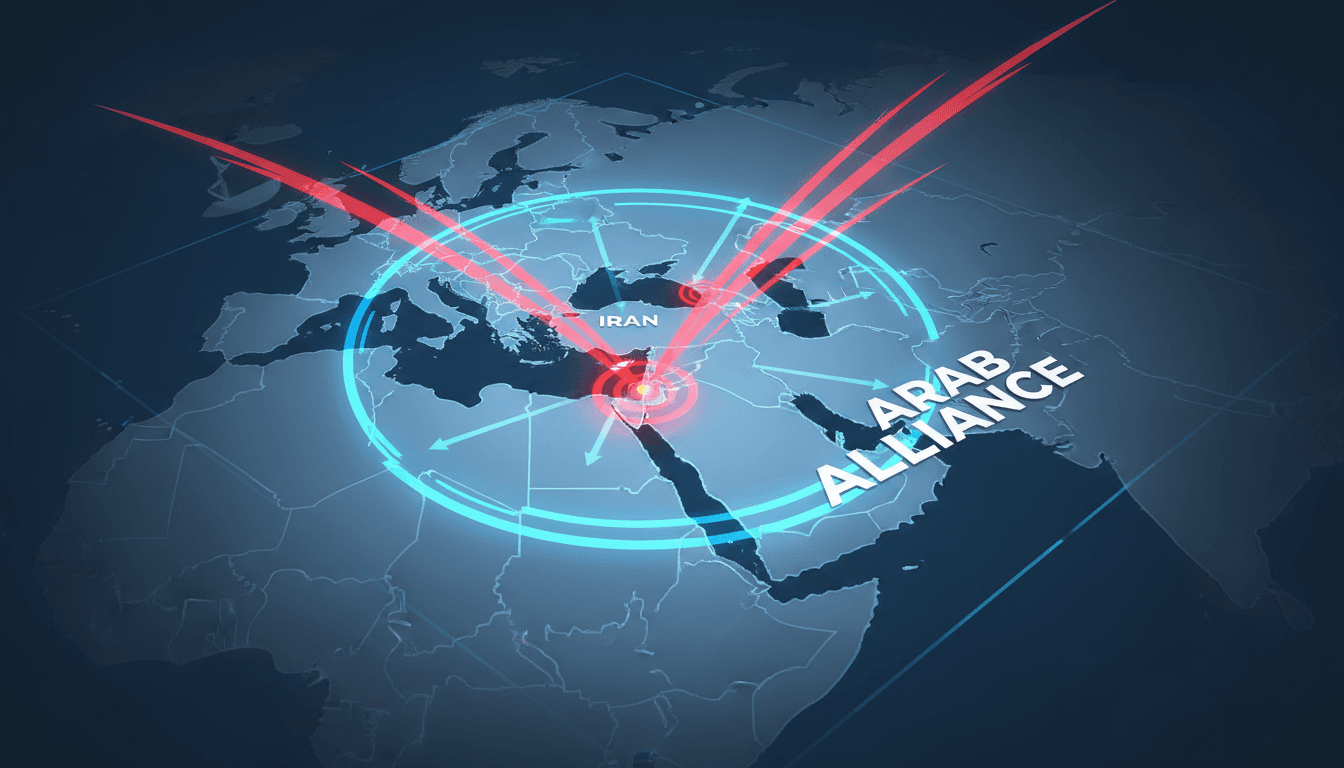
Here's what it means for you.
The recent Iranian missile and drone attacks on Bahrain, Kuwait, and Jordan have heightened regional tensions, prompting a unified response from several Arab nations. This escalation underscores the fragility of security in the Middle East and may lead to shifts in alliances as countries seek to bolster their defenses. The situation could also influence international diplomatic efforts aimed at stabilizing the region. As nations like the UAE, Saudi Arabia, and Qatar express solidarity with the affected countries, the potential for a coordinated response may emerge. The ongoing volatility highlights the critical need for diplomatic negotiations to prevent further conflict.
What happened
Iran has launched missile and drone attacks targeting Bahrain, Kuwait, and Jordan, leading to widespread condemnation from multiple Arab nations. The attacks have been characterized as a violation of the sovereignty of the affected countries, prompting strong statements from regional powers. The UAE, Saudi Arabia, and Qatar have all condemned these aggressions, emphasizing the importance of maintaining regional stability and security.
The immediate trigger for this escalation stems from ongoing regional tensions and perceived threats posed by Iran. As a result, the affected nations are now facing increased pressure to respond to these provocations. The situation remains fluid, with potential implications for broader geopolitical dynamics in the Middle East.
The Context
The missile and drone attacks are part of a larger pattern of aggression that has escalated tensions in the region. Countries like the UAE, Saudi Arabia, and Qatar have expressed solidarity with Bahrain, Kuwait, and Jordan, highlighting the collective concern over Iranian actions. This incident marks a significant moment in the ongoing struggle for sovereignty and security among Gulf nations.
The timing of these attacks coincides with heightened scrutiny of Iran's regional ambitions, which have drawn criticism from various stakeholders. The responses from Arab nations reflect a growing consensus on the need for a united front against perceived threats. As these nations navigate their diplomatic and military strategies, the potential for further escalations looms large.
Takeaway
The situation underscores the ongoing volatility in the region and the potential for further escalations if diplomatic solutions are not pursued. As tensions rise, the affected nations may seek stronger alliances and support from global powers to counter Iranian aggression. The international community's response will be crucial in shaping the future dynamics of the region.
In the coming weeks, observers should watch for potential developments in regional diplomatic efforts aimed at de-escalating tensions. The situation remains precarious, and the need for a coordinated response from Arab nations could influence the broader geopolitical landscape.
Arabic-language local coverage focused on UAE domestic issues, civic affairs, and community reporting.
"Emarat Al Youm local coverage emphasizes UAE institutions, public services, and community-level developments."
— A47 Editor
الإمارات تُدين بشدة تجدد الهجمات الإيرانية العدوانية على البحرين والكويت والأردن الإمارات تُدين بشدة تجدد الهجمات الإيرانية العدوانية على البحرين والكويت والأردن
The United Arab Emirates has strongly condemned the renewed Iranian aggressive attacks targeting the Kingdom of Bahrain, Kuwait, and Jordan. This condemnation reflects the UAE's commitment to regional stability and its support for neighboring nations...
Pan-Arab news coverage spanning politics, business, sports, and regional affairs.
"Asharq Al-Awsat reflects a broad Arab editorial perspective with strong attention to regional geopolitics."
— A47 Editor
إدانات خليجية وعربية واسعة للهجمات الإيرانية على الكويت والبحرين والأردن
Gulf and Arab nations have condemned the repeated Iranian attacks targeting Kuwait, Bahrain, and Jordan, expressing strong disapproval of these aggressions. The statements reflect a unified stance against perceived threats to regional stability and s...
Arabic-language coverage of Saudi, regional, and international affairs.
"Al Bilad offers mainstream Saudi newspaper coverage across domestic and broader Arab topics."
— A47 Editor
المملكة تدين تكرار الاعتداءات الإيرانية التي استهدفت الأردن والبحرين والكويت
The Ministry of Foreign Affairs of Saudi Arabia has strongly condemned the repeated Iranian attacks targeting Jordan, Bahrain, and Kuwait, emphasizing the violation of the sovereignty of these brotherly nations and the escalating tensions in the regi...
English-language coverage focused on UAE news, government updates, and domestic affairs.
"Emirates 24|7 reflects a mainstream UAE editorial perspective with strong emphasis on official and domestic developments."
— A47 Editor
UAE condemns renewed missile and drone attacks targeting Bahrain, Kuwait and Jordan UAE condemns renewed missile and drone attacks targeting Bahrain, Kuwait and Jordan
The United Arab Emirates has condemned the recent missile and drone attacks by Iran targeting Bahrain, Kuwait, and Jordan, labeling these actions as hostile and a violation of sovereignty. The UAE's Ministry of Foreign Affairs emphasized that such at...
Jordanian news and regional updates.
"Roya News is a Jordanian outlet focused on breaking news and local affairs."
— A47 Editor
دولة قطر تدين بشدة تجدد الهجمات الإيرانية على الأردن والبحرين والكويت
Qatar has strongly condemned the renewed Iranian attacks on Jordan, Bahrain, and Kuwait, highlighting the escalating tensions in the region. This condemnation reflects Qatar's stance on regional security and its commitment to supporting its neighbori...