
UK Government Plans Social Media Ban for Children Under 16
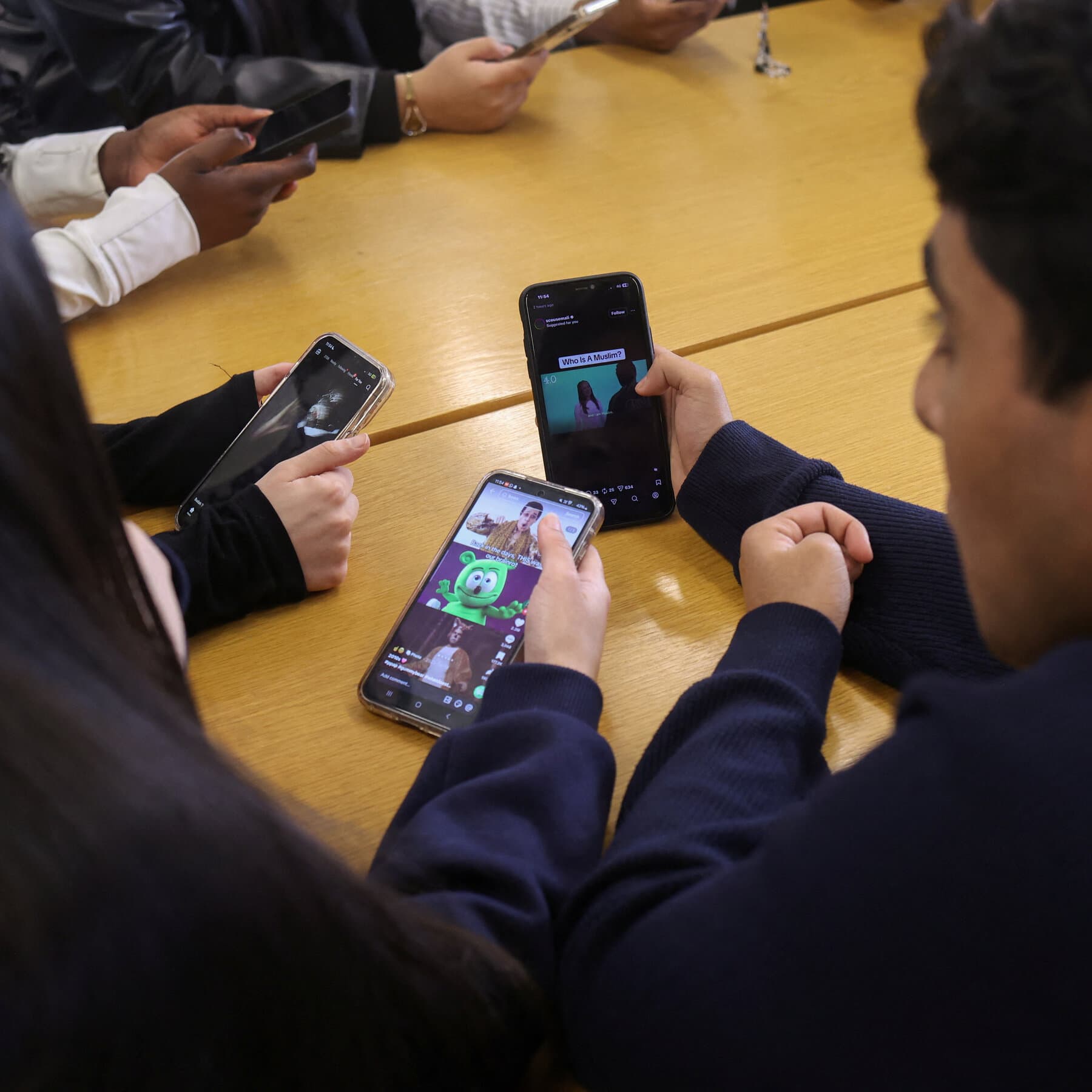
Here's what it means for you.
As a global operator, this shift signals a growing emphasis on digital safety that could reshape workplace norms and parental expectations.
The Vibe
The UK government is taking a bold step to restrict social media access for children under 16, reflecting a rising tide of concern over online safety.
What it signals
This initiative underscores a cultural pivot towards prioritizing child welfare in the digital age. As parents increasingly demand safer online environments, tech companies may face heightened scrutiny and regulatory pressures, impacting their operational strategies and market positioning.
Why it's happening now
1. A significant 90% of parents support the ban, indicating a strong public consensus on the need for child protection online. 2. The global trend of similar regulations, such as those in Australia, highlights a collective recognition of the potential harms of unregulated social media exposure. 3. Rising incidents of cyberbullying and exposure to inappropriate content have intensified calls for action, pushing governments to intervene more decisively.
Who it's for (and who it leaves out)
The primary beneficiaries are children under 16, who will gain a safer online environment. However, this legislation may inadvertently exclude older teens who still face risks in less regulated digital spaces.
What to watch next
1. Monitor how tech companies adapt their platforms to comply with age verification requirements and the potential rise of alternative, unregulated platforms. 2. Observe the legislative responses in other countries, particularly in regions like Dubai, where child protection online is becoming a focal point of regulatory discussions.
Visual Directive: A striking infographic illustrating the percentage of parents supporting the social media ban for children under 16.
The UK government plans to introduce the ban before Christmas 2026.
The ban will take effect by spring 2027, reshaping social media usage among minors.
The effectiveness of age verification measures and their implications for digital privacy remain to be seen.
Top international stories selected by The Guardian editors.
"The Guardian is known for its progressive editorial stance and in-depth analysis."
— A47 Editor
Will a ban keep the UK’s kids off social media? – podcast
UK Prime Minister Keir Starmer has announced a ban on social media access for individuals under the age of 16, aiming to enhance online safety for minors. This policy is set to take effect by spring 2027 and follows similar measures implemented in Au...
United Kingdom-focused news including local politics, business, and social issues.
"BBC News is widely regarded as a reputable international news organization, known for its impartial tone and public service mandate."
— A47 Editor
'Social media firms hit back' and 'Arson attack on Starmer linked to Russia'
UK Prime Minister Keir Starmer has announced a ban on social media access for individuals under the age of 16, a decision aimed at enhancing online safety for minors, which is set to take effect by spring 2027. This policy has drawn criticism from ma...
Global news coverage with extensive reporting on Middle Eastern conflicts and geopolitics.
"Al Jazeera is a Qatar-based broadcaster known for wide regional coverage and alternative perspectives."
— A47 Editor
Can a social media ban protect young users?
The UK government, led by Prime Minister Keir Starmer, has announced a ban on social media access for individuals under the age of 16, set to take effect in early 2027. This policy aims to enhance online safety for minors amid growing concerns about ...
Comprehensive coverage of Middle Eastern and global issues.
"Al Jazeera is a prominent voice from the Global South, especially the Middle East, with an emphasis on underreported stories."
— A47 Editor
Can a social media ban protect young users?
The UK government, led by Prime Minister Keir Starmer, has announced a ban on social media access for individuals under the age of 16, set to take effect in early 2027. This policy aims to enhance online safety for minors amid growing concerns about ...
In-depth reporting on tech, policy, and science including AI.
"Respected analysis for technically savvy readers, including AI topics."
— A47 Editor
UK to ban social media for kids under 16, may impose overnight curfews
The UK government has announced a ban on social media access for individuals under the age of 16, targeting platforms such as Snapchat, TikTok, and YouTube. This decision, led by Prime Minister Keir Starmer, aims to protect minors from harmful conten...
In-depth coverage of hardware, software, science, and policy.
"Ars Technica provides expert technology news, hardware reviews, and analysis for a technically savvy audience."
— A47 Editor
UK to ban social media for kids under 16, may impose overnight curfews
The UK government has announced a ban on social media access for individuals under the age of 16, targeting platforms such as Snapchat, TikTok, and YouTube. This decision, led by Prime Minister Keir Starmer, aims to protect minors from harmful conten...
Startup news with frequent AI coverage.
"Covers launches, funding, and product updates in AI."
— A47 Editor
These are the countries moving to ban social media for children
Australia became the first country to implement a ban on social media for children under 16 in late 2025, aiming to mitigate risks such as cyberbullying, addiction, and exposure to online predators. This legislative move reflects growing concerns abo...
News and guidance for IT pros on AI adoption.
"Enterprise-focused tips, explainers, and news for professionals."
— A47 Editor
UK Weighs Under-16 Social Media Ban for 2027
The UK government is set to implement a ban on social media access for individuals under the age of 16, with the policy expected to take effect in early 2027. This initiative, inspired by a similar move in Australia, aims to enhance the online safety...
International coverage of politics, security, and social issues.
"Global News is a mainstream Canadian outlet with a centrist editorial stance, focusing on factual reporting."
— A47 Editor
U.K. unveils social media, online gaming and streaming ban for under-16s
The U.K. government has announced a ban on social media, online gaming, and streaming services for individuals under the age of 16, a policy influenced by similar legislative efforts in Canada aimed at enhancing online safety for minors.
Political developments, policy debates, elections, and government affairs in the UK.
"BBC News is widely regarded as a reputable international news organization, known for its impartial tone and public service mandate."
— A47 Editor
Under-16s will be banned from social media from early 2027
Sites including Instagram, YouTube and TikTok will become inaccessible for millions of children, the prime minister has announced.
Markets, economy, and company analysis from NYT’s business desk.
"The New York Times is a globally recognized newspaper offering authoritative reporting with a center-left editorial stance."
— A47 Editor
UK Announces Social Media Ban for Children Under 16
UK Prime Minister Keir Starmer has announced a ban on social media access for individuals under the age of 16, a policy aimed at enhancing online safety for minors, following similar initiatives in Australia. The ban will encompass major platforms su...
Tech industry coverage with AI angles.
"Mainstream tech news intersecting with AI policy and culture."
— A47 Editor
UK Announces Social Media Ban for Children Under 16
UK Prime Minister Keir Starmer has announced a ban on social media access for individuals under the age of 16, a policy aimed at enhancing online safety for minors, following similar initiatives in Australia. The ban will encompass major platforms su...
Tech policy, trends, and innovation news.
"The New York Times is a globally recognized newspaper offering authoritative reporting with a center-left editorial stance."
— A47 Editor
UK Announces Social Media Ban for Children Under 16
UK Prime Minister Keir Starmer has announced a ban on social media access for individuals under the age of 16, a policy aimed at enhancing online safety for minors, following similar initiatives in Australia. The ban will encompass major platforms su...
Political developments, policy debates, elections, and government affairs in the UK.
"BBC News is widely regarded as a reputable international news organization, known for its impartial tone and public service mandate."
— A47 Editor
Social media ban 'a defining moment for our children'
UK Secretary of State for Technology Liz Kendall announced a significant social media ban for users under 16 during a Commons session, emphasizing the need to protect children from potential online harms. This decision marks a pivotal moment in the o...
Pan-Arab news coverage spanning politics, business, sports, and regional affairs.
"Asharq Al-Awsat reflects a broad Arab editorial perspective with strong attention to regional geopolitics."
— A47 Editor
بريطانيا تعتزم حظر الشبكات الاجتماعية على القصر ما دون الـ16
British Prime Minister Keir Starmer announced on Monday that his government intends to ban access to social media networks for minors under the age of 16. This decision reflects a growing concern over the impact of social media on young people's ment...
Technology innovations, startups, and trends.
"ABC News delivers broad national coverage with a mainstream editorial stance, focusing on accessibility and balanced reporting."
— A47 Editor
The UK is banning children's social media use. Here's what other countries are doing
The UK government has announced a ban on social media access for individuals under the age of 16, targeting platforms such as Snapchat, TikTok, and YouTube. This decision, led by Prime Minister Keir Starmer, aims to protect minors from harmful conten...
24/7 international news from a French perspective in multiple languages.
"France 24 is viewed as a globally focused outlet with balanced coverage and a European perspective."
— A47 Editor
UK to ban social media for under-16s
The UK government, led by Prime Minister Keir Starmer, has announced a ban on social media access for individuals under the age of 16, citing concerns that such platforms contribute to unhappiness among youth. This ban will encompass popular platform...
Technology innovations, startups, and trends.
"ABC News delivers broad national coverage with a mainstream editorial stance, focusing on accessibility and balanced reporting."
— A47 Editor
Starmer says Britain will ban under-16s from using a range of social media apps
UK Prime Minister Keir Starmer announced plans to ban social media access for children under the age of 16, targeting platforms such as Snapchat, TikTok, and YouTube, with the ban set to take effect early next year. This decision aims to enhance onli...
Global business headlines with AI angles.
"General business outlet that frequently covers AI."
— A47 Editor
UK Bans Social Media Use For Anyone Younger Than 16
The British government has implemented a ban on social media use for individuals under the age of 16, citing concerns that these platforms disrupt childhoods and are designed to be addictive. This decision reflects a growing recognition of the potent...
Tech, science, and startup news including AI.
"Irish tech outlet covering innovation and AI."
— A47 Editor
UK latest to ban social media for under-16s
The UK government has announced a sweeping ban on social media access for children under the age of 16, aiming to protect young users from potential online dangers. This initiative is part of a broader effort to enhance online safety and is expected ...
Tech industry coverage with AI angles.
"Mainstream tech news intersecting with AI policy and culture."
— A47 Editor
What to Know About Planned Social Media Bans in Australia, the U.K. and Beyond
The British government has announced plans to ban social media access for individuals under the age of 16 starting in 2027, a move aimed at enhancing online safety for minors amid rising concerns about the impact of social media on young users. This ...
Tech policy, trends, and innovation news.
"The New York Times is a globally recognized newspaper offering authoritative reporting with a center-left editorial stance."
— A47 Editor
What to Know About Planned Social Media Bans in Australia, the U.K. and Beyond
The British government has announced plans to ban social media access for individuals under the age of 16 starting in 2027, a move aimed at enhancing online safety for minors amid rising concerns about the impact of social media on young users. This ...
Markets, economy, and company analysis from NYT’s business desk.
"The New York Times is a globally recognized newspaper offering authoritative reporting with a center-left editorial stance."
— A47 Editor
What to Know About Planned Social Media Bans in Australia, the U.K. and Beyond
The British government has announced plans to ban social media access for individuals under the age of 16 starting in 2027, a move aimed at enhancing online safety for minors amid rising concerns about the impact of social media on young users. This ...
United Kingdom-focused news including local politics, business, and social issues.
"BBC News is widely regarded as a reputable international news organization, known for its impartial tone and public service mandate."
— A47 Editor
When will social media ban start, and which apps will be affected?
The UK government has announced a ban on social media access for individuals under the age of 16, set to take effect in early 2027. This ban will affect popular platforms such as TikTok and Snapchat, as confirmed by Prime Minister Keir Starmer. The d...
Market-moving headlines impacting equities, bonds, and related risk assets.
"Real-time catalysts and volatility drivers across indices and sectors."
— A47 Editor
Britain announces sweeping social media ban for under-16s
The British government has announced a ban on social media access for individuals under the age of 16, set to take effect in 2027. This decision aims to enhance online safety for minors amid rising concerns about the negative impacts of social media ...
Comprehensive coverage of Middle Eastern and global issues.
"Al Jazeera is a prominent voice from the Global South, especially the Middle East, with an emphasis on underreported stories."
— A47 Editor
UK announces social media ban for under-16s
UK Prime Minister Keir Starmer has announced a ban on social media access for individuals under the age of 16, a significant policy aimed at enhancing online safety for minors. This decision is set to take effect in early 2027 and will impact major p...
Global news coverage with extensive reporting on Middle Eastern conflicts and geopolitics.
"Al Jazeera is a Qatar-based broadcaster known for wide regional coverage and alternative perspectives."
— A47 Editor
UK announces social media ban for under-16s
UK Prime Minister Keir Starmer has announced a ban on social media access for individuals under the age of 16, a significant policy aimed at enhancing online safety for minors. This decision is set to take effect in early 2027 and will impact major p...
Global coverage of politics, crises, and international affairs.
"HuffPost provides progressive-oriented reporting on international developments, often focusing on humanitarian and social justice issues."
— A47 Editor
Starmer Says Britain Will Ban Under-16s From Using Social Media Apps
The ban could further inflame tensions with the U.S., which has warned that regulations should be narrow and not violate free speech protections.
International stories from NPR’s global desk.
"NPR is an American public media organization known for thoughtful reporting and a slightly left-leaning editorial tone."
— A47 Editor
Britain will ban under-16s from social media apps, including TikTok and YouTube
The UK government has announced a ban on social media access for individuals under the age of 16, affecting platforms such as TikTok, YouTube, Snapchat, Instagram, Facebook, and X. This decision, confirmed by Prime Minister Keir Starmer, is part of a...
Latest tech news, product reviews, and analysis for consumers and professionals.
"CNET delivers accessible and detailed technology reporting, including trusted product reviews and how-to guides."
— A47 Editor
UK to Ban Social Media for Under-16s, With Sweeping Restrictions for All Teens
The UK government has announced a ban on social media access for individuals under the age of 16, implementing stricter regulations than those currently in place in Australia. This ban will prevent under-17s from accessing livestreams and chatting wi...
Global political, business, and cultural coverage from WSJ international desks.
"The Wall Street Journal offers extensive international reporting with a reputation for financial insight and a center-right editorial stance."
— A47 Editor
U.K. to Ban Under-16s From Major Social-Media Platforms
The U.K. government has announced plans to ban individuals under the age of 16 from accessing major social media platforms, a move aimed at increasing pressure on tech companies to enhance protections for younger users against harmful content and add...
European current affairs, EU politics, and regional developments.
"France 24 is viewed as a globally focused outlet with balanced coverage and a European perspective."
— A47 Editor
UK's Starmer announces ban on social media for under-16s
UK Prime Minister Keir Starmer announced a ban on social media access for individuals under the age of 16, citing concerns that such platforms contribute to unhappiness among youth. This decision affects major platforms including TikTok, YouTube, Sna...
Comprehensive coverage of Middle Eastern and global issues.
"Al Jazeera is a prominent voice from the Global South, especially the Middle East, with an emphasis on underreported stories."
— A47 Editor
Britain announces sweeping social media ban for under-16s
The UK government has announced a ban on social media access for individuals under the age of 16, a decision confirmed by Prime Minister Keir Starmer. This sweeping measure targets platforms such as TikTok, YouTube, Snapchat, Instagram, Facebook, and...
Global news coverage with extensive reporting on Middle Eastern conflicts and geopolitics.
"Al Jazeera is a Qatar-based broadcaster known for wide regional coverage and alternative perspectives."
— A47 Editor
Britain announces sweeping social media ban for under-16s
The UK government has announced a ban on social media access for individuals under the age of 16, a decision confirmed by Prime Minister Keir Starmer. This sweeping measure targets platforms such as TikTok, YouTube, Snapchat, Instagram, Facebook, and...
Emerging technologies, digital transformation, IT, and cultural impact of tech.
"WIRED covers the intersection of technology, culture, and politics with a progressive, forward-looking editorial stance."
— A47 Editor
The UK Places a Sweeping Ban on Social Media for Kids Under 16
The UK government has announced a sweeping ban on social media access for children under the age of 16, aiming to protect young users from the potential dangers associated with online platforms. This decision is part of a broader initiative to enhanc...
Business and policy angles on tech and AI.
"Business desk coverage intersecting with AI trends."
— A47 Editor
The UK Places a Sweeping Ban on Social Media for Kids Under 16
The UK government has announced a sweeping ban on social media access for children under the age of 16, aiming to protect young users from the potential dangers associated with online platforms. This decision is part of a broader initiative to enhanc...
Covers consumer technology, electronics, gadgets, and product reviews.
"Engadget is a trusted source for gadget reviews and consumer tech news, known for its hands-on analysis and industry coverage."
— A47 Editor
UK will ban social media for children under 16
The UK government has announced a ban on social media platforms such as TikTok and Instagram for individuals under the age of 16, following a similar move by Australia. This decision aims to enhance the online safety of minors amid growing concerns a...
Consumer technology news with AI coverage.
"Gadget and tech site reporting on AI in products."
— A47 Editor
UK will ban social media for children under 16
The UK government has announced a ban on social media platforms such as TikTok and Instagram for individuals under the age of 16, following a similar move by Australia. This decision aims to enhance the online safety of minors amid growing concerns a...
Regional and international reporting focused on Middle Eastern politics, diplomacy, and economics.
"Asharq Al-Awsat is a Saudi-owned international newspaper reflecting mainstream Gulf political perspectives."
— A47 Editor
UK PM Announces Ban on Social Media for Under-16s
The UK Prime Minister has announced a ban on social media usage for individuals under the age of 16, a significant move aimed at protecting younger users from potential online harms. This decision reflects growing concerns over the impact of social m...
Curated tech headlines including AI stories.
"Influential aggregator surfacing the day’s top tech/AI links."
— A47 Editor
Keir Starmer says the UK will ban social media for under-16s to "give kids their childhood back", using an Australia-like model, in effect by next spring (Reuters)
UK Prime Minister Keir Starmer announced plans to ban social media for individuals under 16, aiming to implement this policy by next spring, inspired by a similar initiative in Australia. This decision is part of a broader effort to enhance child saf...
Consumer tech and culture with frequent AI coverage.
"Influential tech outlet covering AI products and policy."
— A47 Editor
Under-16 social media ban announced by UK government
The UK government, led by Prime Minister Keir Starmer, has announced a ban on social media access for children under the age of 16, following a similar initiative by Australia. This ban is expected to take effect early next year and will include meas...
Tech news, reviews, and analysis of consumer electronics, science, art, and culture.
"The Verge is a technology-focused media outlet known for in-depth reporting, product reviews, and coverage of the intersection between technology and culture."
— A47 Editor
Under-16 social media ban announced by UK government
The UK government, led by Prime Minister Keir Starmer, has announced a ban on social media access for children under the age of 16, following a similar initiative by Australia. This ban is expected to take effect early next year and will include meas...
International news coverage curated for readers in the UAE and Gulf region.
"Emirates 24|7 world coverage presents global developments through a UAE-facing and Gulf-relevant editorial lens."
— A47 Editor
UK plans to ban under-16s from major social media platforms UK plans to ban under-16s from major social media platforms
British Prime Minister Keir Starmer has announced plans to ban children under 16 from accessing major social media platforms, including TikTok, Instagram, and Facebook, as part of a broader initiative to enhance online safety for minors. This decisio...
Market-moving headlines impacting equities, bonds, and related risk assets.
"Real-time catalysts and volatility drivers across indices and sectors."
— A47 Editor
Britain to ban social media for under-16s
The British government has announced plans to ban social media access for individuals under the age of 16, a move aimed at enhancing online safety for minors. This decision follows increasing concerns about the impact of social media on young users a...