
Air New Zealand cuts flights and raises ticket prices amid rising fuel costs
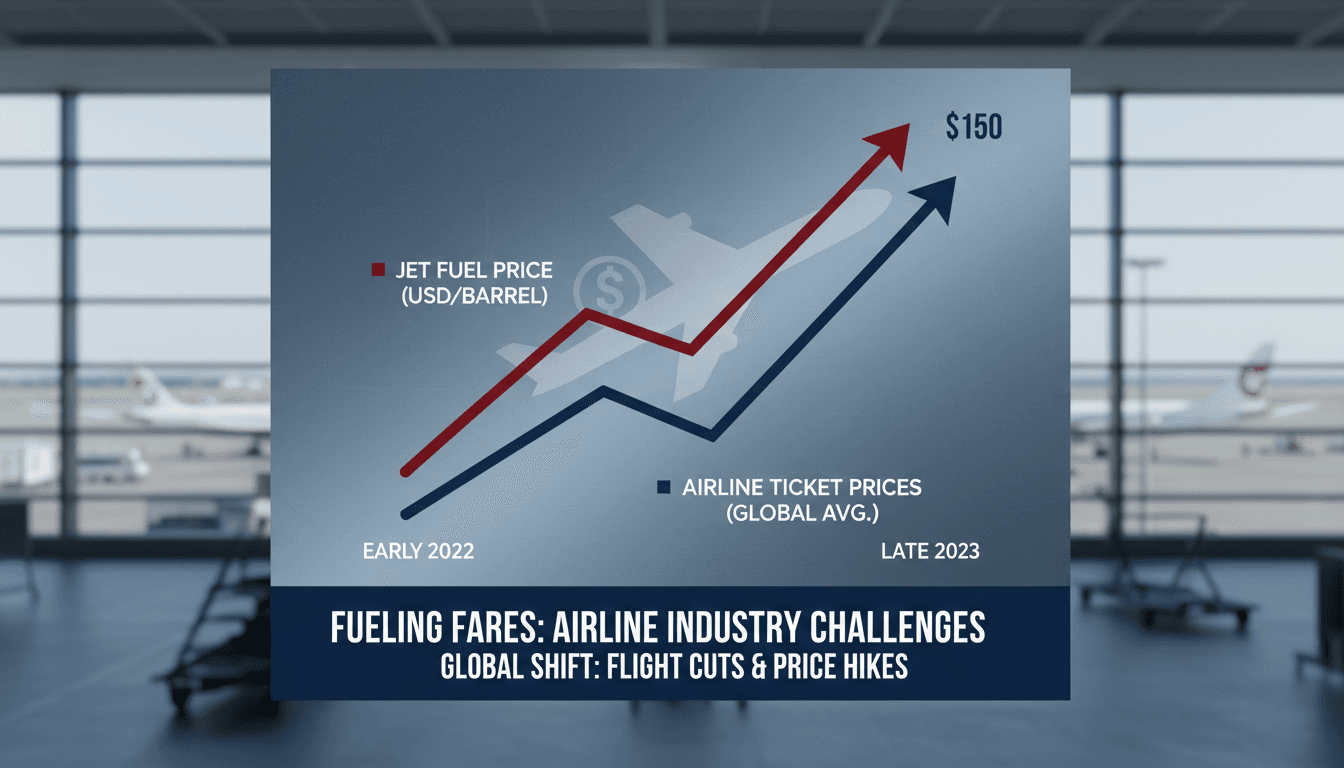
Here's what it means for you.
Air New Zealand's decision to cut flights and raise ticket prices signals a significant shift in the airline industry, driven by soaring fuel costs. As consumers tighten their travel budgets, airlines may need to adapt their strategies to maintain profitability. This trend could lead to fewer travel options and higher prices for passengers, impacting overall consumer behavior in the travel sector. The airline's proactive measures reflect broader economic pressures that could influence travel patterns in the coming years. Stakeholders in the industry should prepare for ongoing adjustments as fuel prices remain elevated.
What happened
Air New Zealand has announced that it will be cutting some flights and increasing ticket prices in response to rising fuel costs. The airline's leadership, including CEO Nikhil Ravishankar, indicated that these operational adjustments are necessary as New Zealanders are reducing non-essential spending, particularly on travel. The company anticipates that jet fuel prices will reach $150 per barrel, significantly impacting its operating costs.
These changes come as consumer spending on travel declines, prompting the airline to take proactive steps to manage its financial pressures. Current measures have only mitigated 25% to 40% of the financial impact from rising oil prices, highlighting the challenges faced by the airline.
The Context
The airline industry is grappling with unprecedented challenges due to soaring fuel prices, which are expected to persist into 2027. Air New Zealand's adjustments are part of a broader trend where airlines are forced to reassess their operational strategies in light of rising costs. The anticipated price of jet fuel at $150 per barrel is a critical factor influencing these decisions.
As consumer behavior shifts towards reduced spending on travel, airlines must navigate these economic realities while striving to maintain service levels. The timing of Air New Zealand's announcement coincides with discussions at the IATA annual general meeting, where industry leaders are addressing similar concerns.
Takeaway
Air New Zealand's operational adjustments underscore the ongoing challenges faced by airlines in managing fuel costs. Stakeholders should monitor further changes in flight schedules and pricing strategies as the industry adapts to these economic pressures. Additionally, consumer responses to increased travel costs will be crucial in shaping future airline operations.
As the airline industry continues to evolve, it is likely that other carriers will follow suit, implementing similar measures to cope with rising fuel expenses. Observing these trends will provide insights into the future landscape of air travel.
Global markets, investing, and macroeconomics from a premier financial newsroom.
"Bloomberg is respected for in-depth financial reporting and data-driven analysis."
— A47 Editor
Air New Zealand Will Cut Some Flights Due to Fuel Costs
Air New Zealand has announced plans to cut some flights due to rising fuel costs, as stated by CEO Nikhil Ravishankar during the IATA annual general meeting in Rio de Janeiro. The airline has also raised prices and implemented cost-cutting measures i...
Market-moving headlines impacting equities, bonds, and related risk assets.
"Real-time catalysts and volatility drivers across indices and sectors."
— A47 Editor
Air New Zealand plans for elevated fuel costs into 2027
Air New Zealand has announced plans to account for elevated fuel costs extending into 2027, reflecting ongoing volatility in jet fuel prices that has significantly impacted its financial outlook. The airline has faced challenges due to fluctuating fu...
Pan-Arab news coverage spanning politics, business, sports, and regional affairs.
"Asharq Al-Awsat reflects a broad Arab editorial perspective with strong attention to regional geopolitics."
— A47 Editor
«طيران نيوزيلندا» تتوقع وصول سعر برميل وقود الطائرات إلى 150 دولاراً
The CEO of Air New Zealand has stated that hedging operations and ticket price increases have only managed to offset between 25% and 40% of the financial impacts the company has faced due to rising oil prices, which are expected to reach $150 per bar...