
NASA announces all-male crew for Artemis III mission amid criticism over gender representation
Here's what it means for you.
NASA's recent announcement of an all-male crew for the Artemis III mission raises significant questions about gender representation in space exploration. This decision may impact public perception and trust in NASA's commitment to diversity, potentially influencing future crew selections and policies. As the agency continues its lunar exploration efforts, the need for inclusivity becomes increasingly critical. The backlash from this announcement highlights a growing demand for gender equity in high-profile missions, reflecting broader societal expectations. Stakeholders will be closely monitoring how NASA addresses these concerns moving forward.
What happened
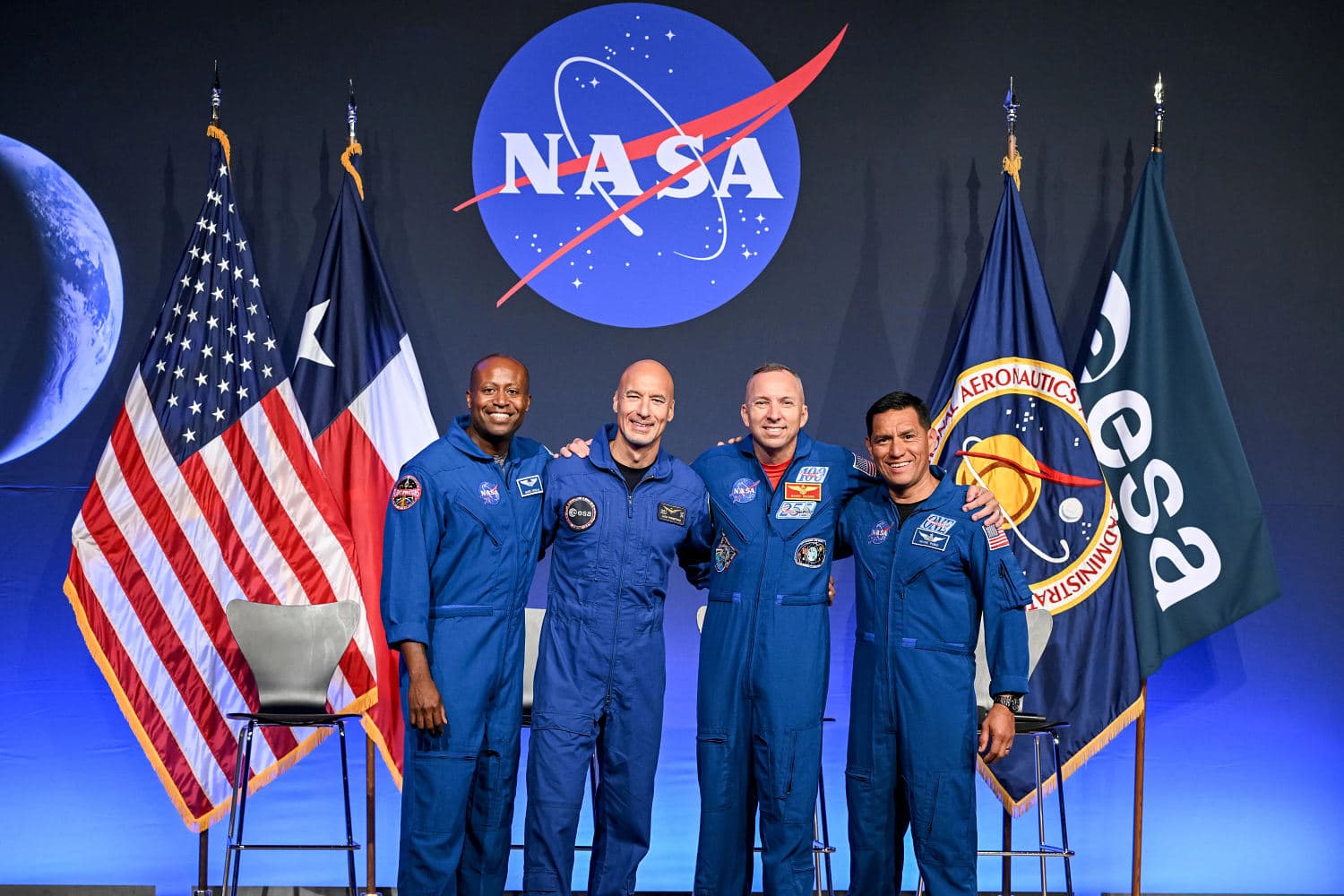
NASA has officially revealed the all-male crew for the Artemis III mission, which has sparked considerable criticism regarding the lack of female representation. The announcement was made on June 9, 2026, and has led to public outrage over the absence of women among the selected astronauts. NASA Administrator Jared Isaacman defended the crew selection, stating that the astronauts were chosen based on their qualifications and experience.
The Artemis III mission is part of NASA's broader initiative to return humans to the Moon, with a target landing for Artemis IV set for 2028. The mission will involve testing lunar landers developed by private companies, including Blue Origin and SpaceX. Critics have expressed disappointment, emphasizing the importance of gender diversity in such significant missions.
The Context
The Artemis program represents a pivotal moment in NASA's efforts to expand human presence on the Moon and beyond. With the Artemis III mission scheduled for a two-week test flight in low Earth orbit, the selection of an all-male crew has raised eyebrows among advocates for gender equality in space exploration. The timing of this announcement coincides with a broader societal push for inclusivity across various sectors, including science and technology.
Luca Parmitano, an Italian astronaut from the European Space Agency (ESA), will pilot the mission, which underscores the international collaboration involved in space exploration. However, the absence of women in the crew selection has sparked a debate about NASA's commitment to diversity and representation in its future missions.
Takeaway
As discussions surrounding gender representation in space missions continue, NASA may need to reassess its approach to crew diversity. The public's reaction to the all-male crew for Artemis III could influence future crew selections and policies, as the agency seeks to align with evolving expectations. Upcoming announcements regarding the Artemis IV crew selection will be closely watched for indications of a shift in NASA's strategy.
Further developments in NASA's lunar exploration plans will also be scrutinized, particularly in light of the criticism surrounding the current crew. The agency's ability to adapt to these discussions will be crucial in maintaining public support and fostering inclusivity in future missions.
National headlines across the United States including breaking stories and societal issues.
"NBC News is a mainstream media outlet known for comprehensive national and international news coverage with a centrist to slightly left-leaning editorial tone."
— A47 Editor
NASA addresses criticism over all-male crew selected for Artemis III test mission
NASA has faced criticism for selecting an all-male crew for the Artemis III test mission, with reactions ranging from disappointment to outrage, as highlighted by Administrator Jared Isaacman. This decision has sparked discussions about gender repres...
Space science news, astronomy updates, and spaceflight developments.
"Space.com delivers space science news, astronomy updates, and spaceflight developments with engaging coverage."
— A47 Editor
NASA chief defends all-male Artemis 3 astronaut crew amid backlash: 'I don't think anyone should be reading into this'
NASA has officially announced the all-male astronaut crew for its Artemis 3 mission, which is set to launch in late 2027. The selection of the four astronauts was based on their qualifications and experience, despite facing backlash regarding the lac...
Reports on science policy, discoveries, and public debate in the scientific realm.
"The Guardian’s science section is known for thoughtful and critical reporting on global research, ethics, and public understanding of science."
— A47 Editor
‘Earth’s first starfleet’: Nasa reveals Artemis III crew and project’s next steps
NASA has announced the crew for its Artemis III mission, which includes Luca Parmitano from the European Space Agency as the pilot, alongside three NASA astronauts. This mission is set to launch in late 2027 and aims to test lunar landers developed b...
News and current affairs from across Europe.
"The Guardian is known for its progressive editorial stance and in-depth analysis."
— A47 Editor
‘Earth’s first starfleet’: Nasa reveals Artemis III crew and project’s next steps
NASA has announced the crew for its Artemis III mission, with Luca Parmitano from the European Space Agency set to pilot a four-member all-male team on a two-week mission to low Earth orbit next year. This mission aims to test lunar landers developed...