
Global Forced Displacement Declines for First Time in a Decade
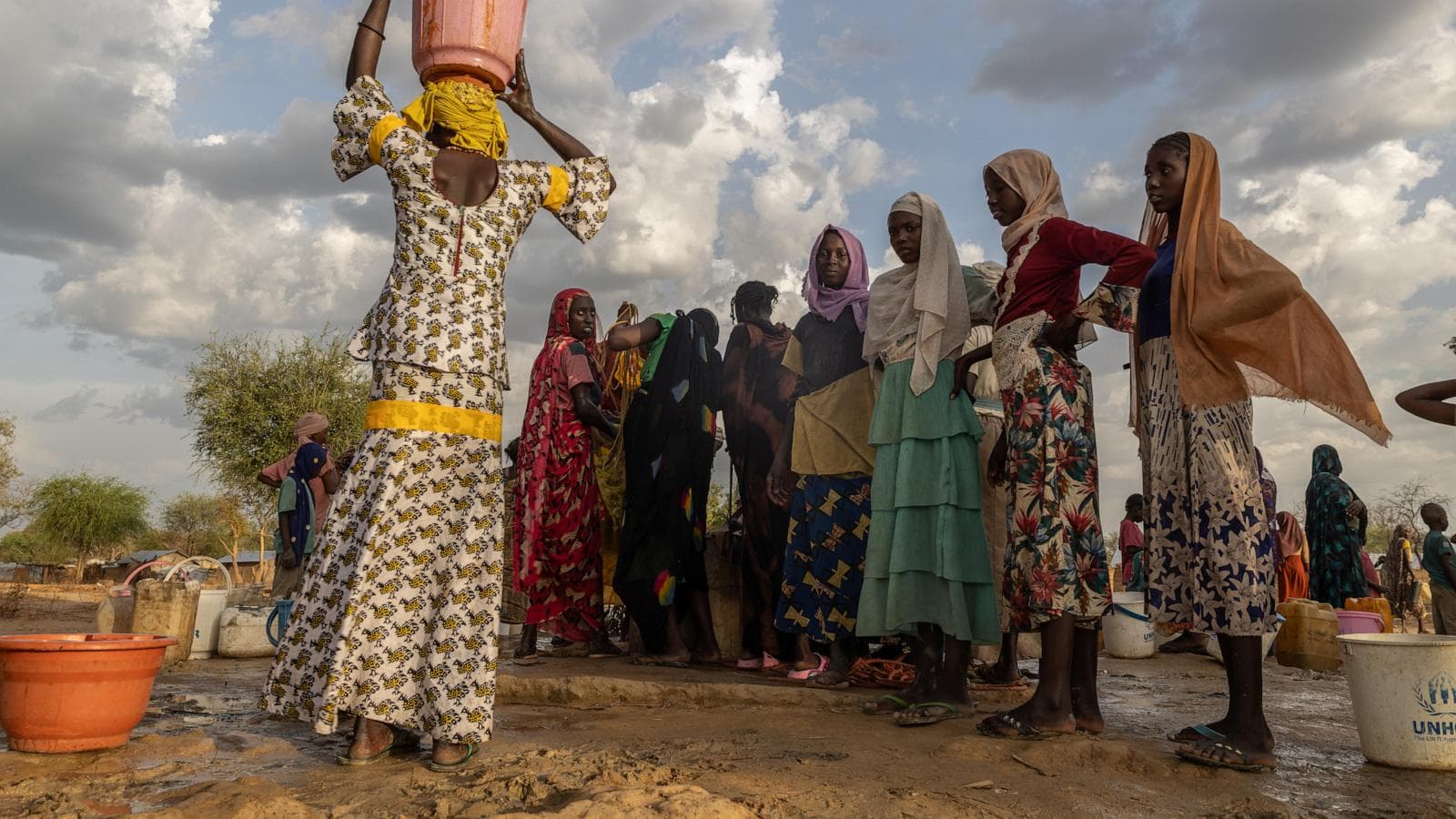
Here's what it means for you.
The UNHCR's report indicates a significant shift in global displacement trends, suggesting that international efforts to address conflict and persecution may be gaining traction. This decline, while promising, highlights the need for sustained attention to the long-term refugee crisis, which remains a pressing issue. Policymakers and humanitarian organizations must continue to collaborate on comprehensive solutions to ensure the safety and rights of displaced individuals.
What happened
The UNHCR reported a decrease in the number of forcibly displaced people worldwide, with the total reaching approximately 117.8 million by the end of 2025. This marks the first decline in forced displacement in a decade, signaling a potential turning point in global displacement dynamics. Last year alone, 5.4 million people fled their homes due to conflict and persecution, contributing to the overall figure.
Despite this decrease, the total number of refugees and individuals in refugee-like situations remains alarmingly high at 41.6 million. The report underscores the complexity of the refugee crisis, reflecting ongoing challenges that require comprehensive solutions.
The Context
The decline in global forced displacement is a notable development, particularly given the persistent high levels of long-term refugees. The UNHCR's findings reveal a complex interplay of conflict, violence, and persecution that continues to affect millions worldwide. Stakeholders, including governments and humanitarian organizations, must remain vigilant in addressing the root causes of displacement.
The report also highlights that many displaced individuals have not returned home by choice, indicating that the situation remains precarious for many. The presence of 6 million Palestinian refugees further complicates the landscape, emphasizing the need for targeted international responses.
Takeaway
While the decline in displacement numbers offers a glimmer of hope, the ongoing refugee crisis necessitates continued global cooperation and innovative solutions. Monitoring ongoing conflicts will be crucial in understanding future displacement trends, as will observing international responses and potential policy changes. The UNHCR's report serves as a reminder that while progress has been made, significant challenges remain.
As the international community navigates these complexities, it is essential to prioritize the safety and rights of displaced individuals. Comprehensive solutions are still needed to address the enduring plight of long-term refugees.
Comprehensive coverage of Middle Eastern and global issues.
"Al Jazeera is a prominent voice from the Global South, especially the Middle East, with an emphasis on underreported stories."
— A47 Editor
Lebanon war victims among 117M people displaced worldwide
A recent UNHCR report indicates that by the end of 2025, approximately 117.8 million people worldwide were forcibly displaced, highlighting a significant global humanitarian crisis. Among these, many are victims of the ongoing conflict in Lebanon, wh...
Major U.S. developments and regional news.
"ABC News delivers broad national coverage with a mainstream editorial stance, focusing on accessibility and balanced reporting."
— A47 Editor
Nearly 118 million people were displaced by conflict, persecution last year, UN says
The U.N. refugee agency reported that nearly 118 million people were displaced by conflict and persecution in the previous year, marking a significant humanitarian crisis. This figure represents a troubling trend in global displacement, highlighting ...
International stories from NPR’s global desk.
"NPR is an American public media organization known for thoughtful reporting and a slightly left-leaning editorial tone."
— A47 Editor
Number of people forced to flee their homes has dropped, U.N. report finds
A recent U.N. report indicates a decline in the number of individuals displaced by conflicts worldwide, alongside a significant increase in the number of refugees returning to their home countries. However, it is noted that some individuals have not ...
Global news coverage with extensive reporting on Middle Eastern conflicts and geopolitics.
"Al Jazeera is a Qatar-based broadcaster known for wide regional coverage and alternative perspectives."
— A47 Editor
One in 70 people worldwide is forcibly displaced: UNHCR
The UNHCR reports that at least 117.8 million people globally are forcibly displaced due to ongoing conflicts, violence, and persecution, highlighting a significant humanitarian crisis affecting one in 70 individuals worldwide.
Comprehensive coverage of Middle Eastern and global issues.
"Al Jazeera is a prominent voice from the Global South, especially the Middle East, with an emphasis on underreported stories."
— A47 Editor
One in 70 people worldwide is forcibly displaced: UNHCR
The UNHCR reports that at least 117.8 million people globally are forcibly displaced due to ongoing conflicts, violence, and persecution, highlighting a significant humanitarian crisis affecting one in 70 individuals worldwide.
Regional coverage and analysis focused on politics, diplomacy, and business across the Middle East.
"Al-Monitor is known for analytical reporting on Middle East politics and policy developments."
— A47 Editor
UNHCR says fewer people displaced worldwide in 2025 but long-term refugee crisis persists
The UNHCR reported a decrease in global displacement in 2025, marking the first decline in a decade, with 5.4 million people fleeing their homes, totaling 41.6 million refugees worldwide, including 6 million Palestinians.