
Iran implements tolls on vessels in the Strait of Hormuz amid escalating U.S. tensions
Here's what it means for you.
The recent decision by Iran to impose tolls on vessels in the Strait of Hormuz signals a significant escalation in geopolitical tensions that could have far-reaching implications for global oil supply chains. With tolls reaching up to $2 million per vessel, the financial stakes are high, particularly as some payments may be accepted in cryptocurrency like USDT. This move comes amid increased scrutiny from the U.S. regarding Iran's oil and crypto networks, potentially leading to tighter regulations in these sectors. As the situation unfolds, stakeholders in the oil and cryptocurrency markets should prepare for volatility. The interplay between military actions and economic policies in this region will likely influence market dynamics and regulatory frameworks worldwide.
What happened
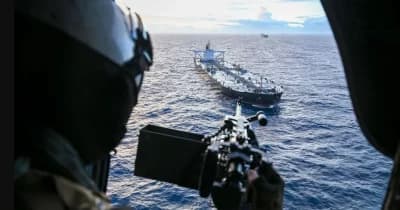
Iran has initiated a toll operation in the Strait of Hormuz, charging up to $2 million per vessel. This new policy may allow for payments in stablecoins such as USDT, reflecting a shift towards cryptocurrency in maritime transactions. The U.S. has responded to these developments by boarding a sanctioned tanker, the Davina, in the Indian Ocean, further escalating tensions.
Additionally, Iran has fired warning shots at U.S. destroyers, indicating a heightened military presence in the region. These actions underscore the increasing friction between the two nations and the potential for further conflict.
The Context
The Strait of Hormuz is a critical chokepoint for global oil transportation, making it a focal point of geopolitical tension. The U.S. has issued warnings to maritime companies about potential sanctions related to payments made to Iran, which could complicate international shipping operations. Iran's toll system not only raises financial stakes but also introduces a new layer of complexity involving cryptocurrency transactions.
As both nations navigate their economic and strategic interests, the situation could lead to significant disruptions in oil supply chains and increased regulatory scrutiny on cryptocurrency markets. The timing of these developments is crucial, as they coincide with ongoing military maneuvers and diplomatic tensions.
Takeaway
The ongoing tensions between the U.S. and Iran may lead to substantial shifts in both oil supply chains and cryptocurrency regulations globally. Stakeholders should closely monitor developments regarding U.S. sanctions on Iran's oil and crypto sectors, as these could have immediate impacts on market dynamics.
Furthermore, the potential for conflict in the region raises concerns about disruptions to oil supplies, which could drive prices higher. As regulatory scrutiny increases, the cryptocurrency market may also face new challenges that could reshape its landscape.
Covers Bitcoin plus altcoin news, market updates, and educational resources.
"Bitcoin.com provides news, market data, and guides focused on Bitcoin and the wider crypto industry."
— A47 Editor
$2 Million Per Vessel: Inside Iran’s Massive USDT Toll Operation in the Strait of Hormuz
Iran has initiated a significant toll operation in the Strait of Hormuz, charging $2 million per vessel and accepting payments in USDT, a stablecoin linked to Tether. This move is part of a broader strategy to leverage cryptocurrency in maritime oper...
Research, news, and analysis on blockchain startups, DeFi, and regulations.
"Crypto Briefing provides research, news, and analysis on blockchain startups, DeFi, and crypto regulations with investor-focused coverage."
— A47 Editor
US forces board sanctioned tanker Davina in Indian Ocean as crypto sanctions tighten on Iran
US forces have boarded the sanctioned tanker Davina in the Indian Ocean, a move that reflects the tightening of US sanctions on Iran's oil and cryptocurrency networks. This action is part of a broader strategy to disrupt Iran's economic activities am...
Research, news, and analysis on blockchain startups, DeFi, and regulations.
"Crypto Briefing provides research, news, and analysis on blockchain startups, DeFi, and crypto regulations with investor-focused coverage."
— A47 Editor
Iran fires warning shots at US destroyers near Strait of Hormuz, raising oil and crypto market jitters
Iran fired warning shots at US destroyers near the Strait of Hormuz, escalating tensions between the two nations and raising concerns over global oil supply and cryptocurrency market stability. This incident follows a series of geopolitical provocati...