
France and Germany abandon Future Combat Air System program
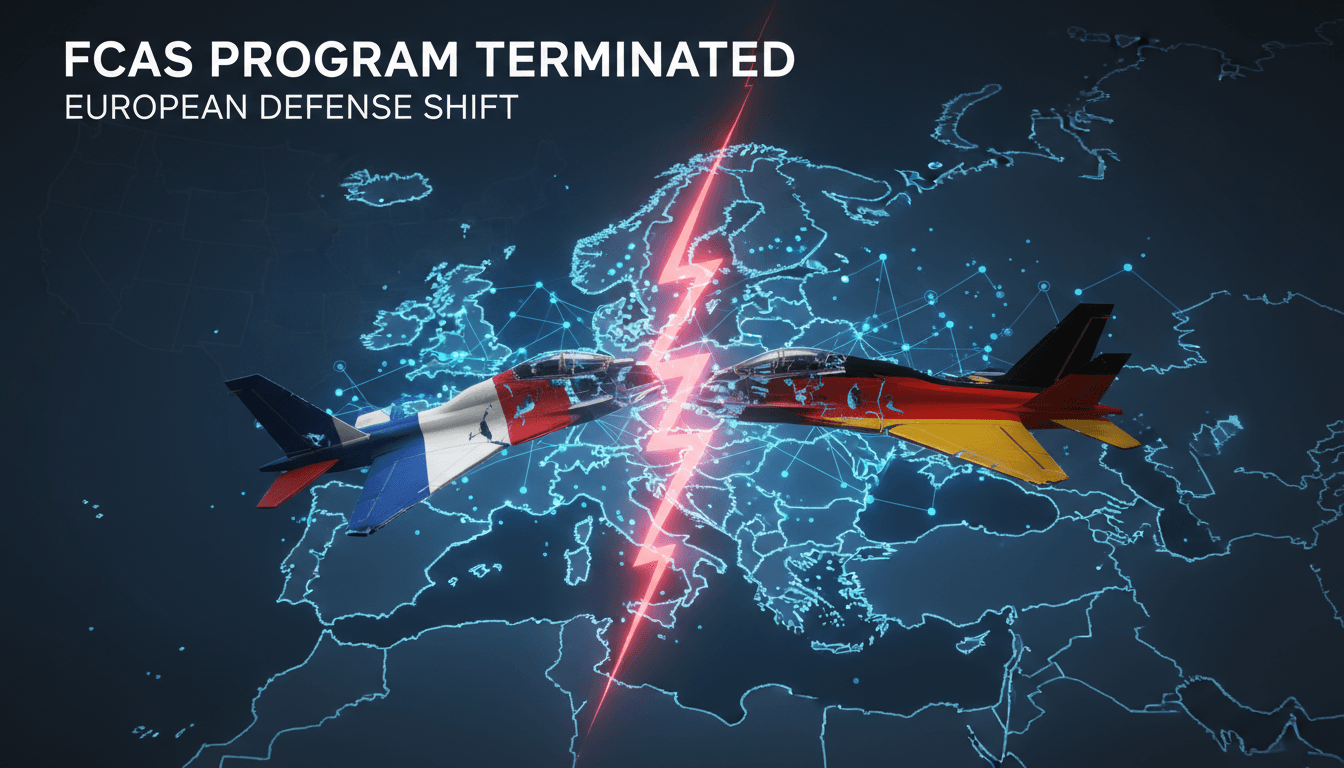
Here's what it means for you.
The abandonment of the Future Combat Air System (FCAS) program signals a significant shift in European defense dynamics. As nations grapple with the implications of reduced collaboration, the need for strategic autonomy becomes increasingly pressing. This development may prompt European countries to explore new partnerships and initiatives to bolster their military capabilities. The failure of this ambitious project raises questions about the future of defense cooperation in Europe, particularly in the absence of U.S. support. Stakeholders across the continent will need to reassess their strategies to ensure robust defense mechanisms in an evolving geopolitical landscape.
What happened
France and Germany have officially scrapped the Future Combat Air System (FCAS) fighter jet program. This decision marks a critical juncture for European defense, highlighting the complexities of multinational cooperation in military projects. The FCAS initiative, valued at approximately €100 billion, aimed to develop a sixth-generation fighter jet but faced significant challenges.
Structural design flaws and difficulties in collaboration between industrial rivals contributed to the program's collapse. The abandonment of FCAS raises concerns about Europe's defense capabilities and its ability to achieve strategic autonomy without reliance on the United States.
The Context
The FCAS project was intended to enhance Franco-German cooperation in defense, but its failure is seen as a significant setback. The ongoing debate surrounding Europe's strategic autonomy has intensified, particularly as geopolitical tensions rise. The implications of this collapse extend beyond the immediate stakeholders, affecting the broader landscape of European defense.
As European nations confront the reality of diminished collaboration, the urgency for cohesive strategies becomes apparent. The timing of this decision underscores the challenges faced by European countries in navigating their defense needs independently.
Takeaway
The collapse of the FCAS program may prompt European nations to reassess their defense strategies and seek new collaborations. Analysts are likely to focus on potential new defense initiatives among European countries and increased discussions on achieving strategic autonomy. The future of European defense may hinge on the ability of nations to innovate independently while fostering effective collaboration.
As Europe grapples with its reliance on U.S. security, the failure of this ambitious initiative could catalyze a reevaluation of defense partnerships across the continent. The urgency for a cohesive strategy in an increasingly complex security environment is now more critical than ever.
Global news coverage with extensive reporting on Middle Eastern conflicts and geopolitics.
"Al Jazeera is a Qatar-based broadcaster known for wide regional coverage and alternative perspectives."
— A47 Editor
France-Germany jet plans crash: Can Europe end reliance on US for security?
France and Germany have officially abandoned their joint fighter jet program, a decision stemming from unresolved disagreements between the involved companies, Dassault Aviation and Airbus. This collapse marks a significant setback for European defen...
Comprehensive coverage of Middle Eastern and global issues.
"Al Jazeera is a prominent voice from the Global South, especially the Middle East, with an emphasis on underreported stories."
— A47 Editor
France-Germany jet plans crash: Can Europe end reliance on US for security?
France and Germany have officially abandoned their joint fighter jet program, a decision stemming from unresolved disagreements between the involved companies, Dassault Aviation and Airbus. This collapse marks a significant setback for European defen...
Editor-curated FT homepage stories spanning markets, business, world, and opinion.
"The Financial Times is a globally respected business publication with a centrist/center-left tone and strong markets focus."
— A47 Editor
Can Europe build a new fighter jet after Germany scraps joint venture?
Germany and France have officially abandoned their joint project to develop a European fighter jet, a decision that marks a significant setback for the €100 billion initiative aimed at enhancing military capabilities in Europe. The failure to reach a...
Conservative-leaning coverage of current events.
"Fox News is a highly influential conservative news outlet known for right-leaning political commentary and coverage."
— A47 Editor
Europe's $116B fighter jet 'failure' raises fresh doubts about ability to defend itself without US
France and Germany have decided to abandon the Future Combat Air System sixth-generation fighter jet program, a significant setback for Europe's defense initiatives, particularly in the context of NATO's increasing military expenditures. This decisio...
European current affairs, EU politics, and regional developments.
"France 24 is viewed as a globally focused outlet with balanced coverage and a European perspective."
— A47 Editor
End of FCAS 'flagship project' marks setback for Franco-German cooperation and European defence
The Franco-German Future Combat Air System (FCAS) fighter jet project has officially ended, marking a significant setback for European defense cooperation. Ulrike Franke from the European Council on Foreign Relations noted that the project's failure ...