
Pakistan mediates U.S.-Iran negotiations amid escalating military tensions
Here's what it means for you.
The ongoing negotiations mediated by Pakistan could play a pivotal role in shaping the geopolitical landscape of the Middle East. As military tensions rise, the outcomes of these discussions may influence regional stability and international relations. Stakeholders in the energy sector and global markets should remain vigilant, as any escalation could impact oil prices and trade routes. The delicate balance of power in the region is at stake, with military actions complicating diplomatic efforts. Observers should prepare for potential shifts in policy as the situation evolves.
What happened
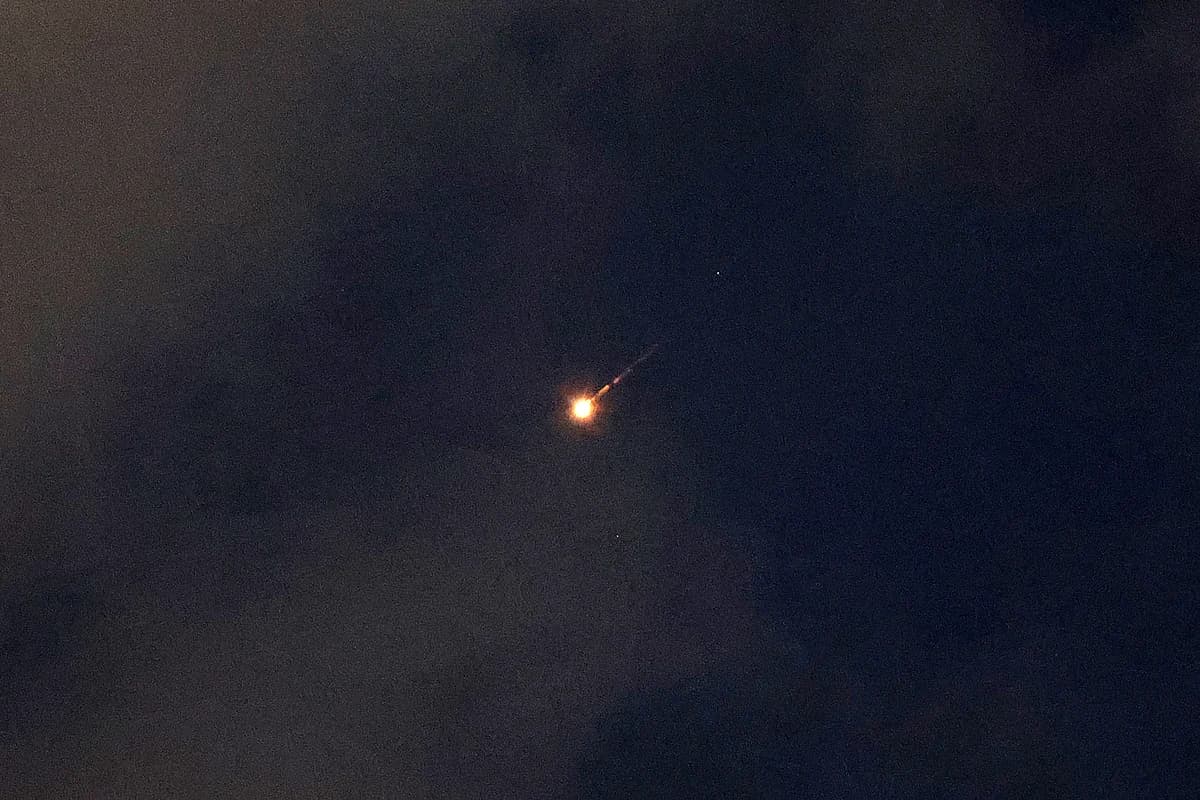
Pakistan's interior minister is currently in Tehran to facilitate negotiations between Iran and the U.S. This diplomatic initiative coincides with heightened tensions, as the U.S. military reported shooting down two Iranian drones over the Strait of Hormuz. The incident marks a significant escalation in military confrontations between the two nations. Additionally, Iran has launched missiles at Israel, further intensifying regional hostilities.
The timing of these events is critical, as they occur during a period of fragile peace. The U.S. military's actions and Iran's missile strikes represent a new phase in the ongoing conflict, complicating the path to resolution.
The Context
The mediation efforts by Pakistan come amid a backdrop of escalating military actions and accusations of ceasefire violations. Iran's missile strikes at Israel signify a notable shift in the regional conflict dynamics, raising concerns about broader implications for peace. The U.S. and Iran have a long history of tensions, and the recent military confrontations underscore the precarious nature of their relationship.
As both nations engage in military actions, the potential for further escalation looms large. The involvement of Pakistan as a mediator highlights the complexities of regional diplomacy and the need for a balanced approach to de-escalation. The outcome of these negotiations could have lasting effects on the geopolitical landscape.
Takeaway
The ongoing diplomatic efforts may be crucial in de-escalating tensions, but military actions suggest a volatile situation ahead. Observers should closely monitor the potential outcomes of the Pakistan-mediated negotiations, as they could either pave the way for a resolution or exacerbate existing conflicts. Further military responses from either Iran or the U.S. could significantly alter the current trajectory.
The situation remains fluid, and the stakes are high for all parties involved. As military actions continue, the path to peace appears fraught with challenges, necessitating careful navigation by diplomatic stakeholders.
Major U.S. developments and regional news.
"ABC News delivers broad national coverage with a mainstream editorial stance, focusing on accessibility and balanced reporting."
— A47 Editor
Pakistan’s interior minister is in Tehran as the US downs more Iranian drones over Hormuz
Pakistan’s interior minister is currently in Tehran to facilitate renewed negotiations between Iran and the United States. This visit coincides with reports from the U.S. military confirming the downing of two Iranian drones over the strategically vi...
Arabic-language reporting on global and regional news.
"BBC Arabic is part of the BBC, generally regarded for editorial standards and broad international coverage."
— A47 Editor
الجيش الأمريكي يعلن إسقاط "مسيرتين إيرانيتين"، ووزير الداخلية الباكستاني يلتقي نظيره الإيراني
The U.S. military announced the downing of two Iranian drones, coinciding with the visit of the Pakistani Interior Minister to Tehran, aimed at mediating between Washington and Tehran amidst ongoing tensions and mutual accusations of violating a frag...
Breaking news and analysis from the UAE and Gulf region.
"Khaleej Times is a long-running UAE publication with broad regional coverage."
— A47 Editor
Iran fires missiles at Israel for first time since April 8 ceasefire
Iran has launched missiles at Israel for the first time since the ceasefire on April 8, marking a significant escalation in hostilities between the two nations. This action comes amid ongoing tensions in the region, particularly following recent mili...