
Analysis of Ancient Squirrel Droppings Reveals Ice-Age DNA
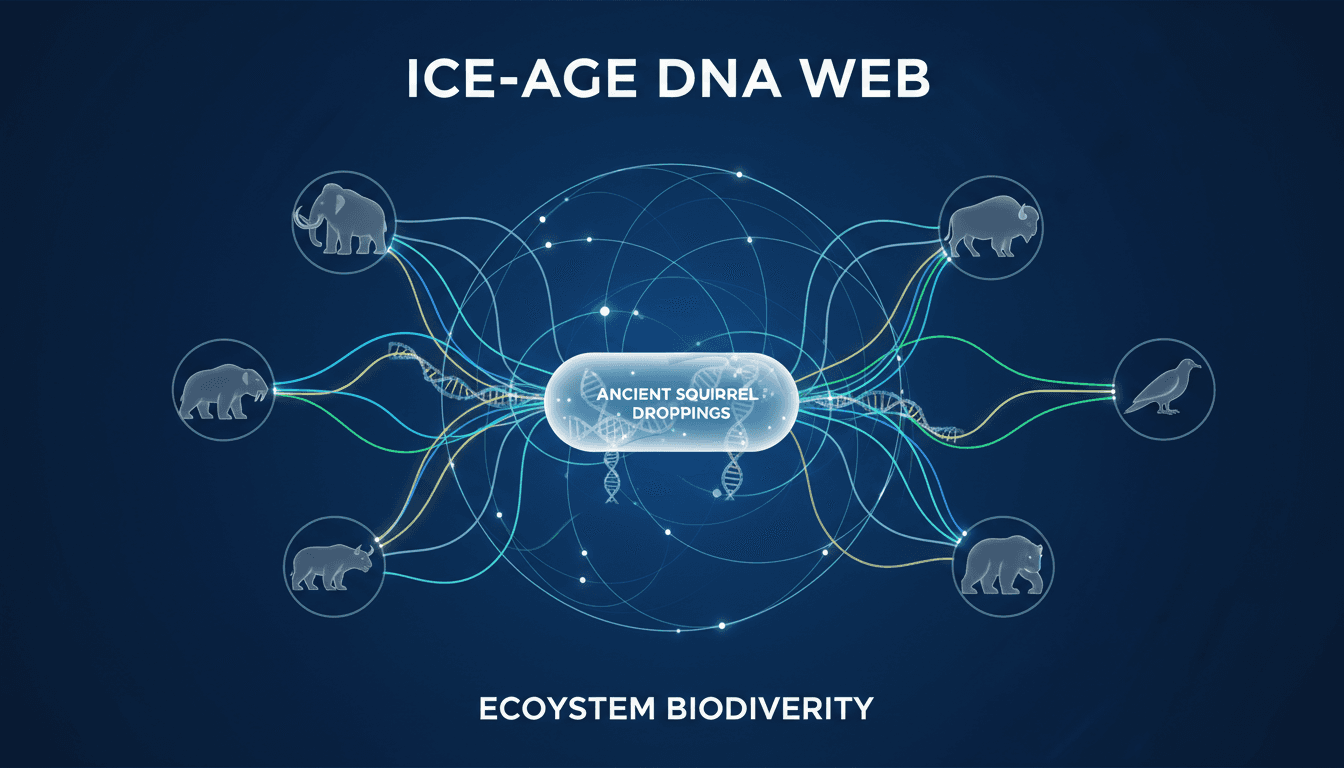
Here's what it means for you.
The recent discovery of DNA from ice-age species in ancient squirrel droppings offers significant insights into past ecosystems and biodiversity. This research not only enhances our understanding of historical animal interactions but also underscores the importance of small species in maintaining ecological balance. As climate change continues to impact current biodiversity, these findings may inform conservation strategies aimed at preserving fragile ecosystems.
What happened
Recent studies have analyzed ancient squirrel droppings found in Arctic permafrost, revealing a wealth of genetic material from various ice-age species. The analysis uncovered DNA from woolly mammoths, bison, horses, and big cats, providing a unique glimpse into the complex ecosystems that thrived during the last Ice Age. This discovery highlights the role of small rodents in the food chain and their contribution to the biodiversity of ancient environments.
The findings illustrate that the scat contains DNA from hundreds of species, showcasing the rich biodiversity that existed in these ecosystems. This research not only sheds light on the diets of ice-age animals but also emphasizes the interconnectedness of species within these ancient habitats.
The Context
The analysis of ancient squirrel droppings is part of ongoing research into ancient ecosystems and their biodiversity. Conducted on frozen feces from Arctic permafrost, this study provides critical insights into how species interacted and adapted to their environments during the Ice Age. Understanding these dynamics is essential, especially as current ecosystems face unprecedented changes due to climate change.
The implications of this research extend beyond historical curiosity; they may inform current conservation efforts aimed at preserving biodiversity. By examining the genetic material from these ancient species, scientists can better understand the ecological roles that various organisms played in their environments, which is crucial for addressing contemporary environmental challenges.
Takeaway
As researchers continue to delve into ancient DNA, further studies may reveal more about extinct species and their interactions with the environment. The findings from this research could lead to a deeper understanding of how ecosystems respond to climate changes, providing valuable lessons for modern conservation strategies. Future investigations may focus on the implications of these discoveries for current biodiversity and the preservation of endangered species.
The ongoing analysis of ancient genetic material opens new avenues for exploring the complexities of past ecosystems, which could ultimately enhance our efforts to protect the planet's biodiversity in the face of climate change.
Scientific discoveries, health, technology, and natural phenomena.
"Live Science reports on scientific discoveries, health, technology, and natural phenomena with a popular science tone."
— A47 Editor
Ancient squirrel poop from Arctic permafrost contains DNA from mammoths, bison, horses and big cats
Recent analysis of ancient squirrel droppings from Arctic permafrost has revealed the presence of DNA from various ice-age species, including mammoths, bison, horses, and big cats. This discovery sheds light on the ecological interactions of these sm...
Regional and international reporting focused on Middle Eastern politics, diplomacy, and economics.
"Asharq Al-Awsat is a Saudi-owned international newspaper reflecting mainstream Gulf political perspectives."
— A47 Editor
Woolly Mammoth Among Trove of Ancient DNA Found in Squirrel Poo
A recent discovery has revealed a trove of ancient DNA, including that of the woolly mammoth, found in squirrel feces. This finding highlights the potential of using animal droppings as a source for extracting genetic material from extinct species, p...
Discoveries, research, environment, and health innovations.
"New Scientist is a well-respected publication offering accessible science news, commentary, and expert analysis."
— A47 Editor
Frozen squirrel scat preserves ancient DNA from hundreds of species
Recent research has revealed that frozen squirrel scat contains ancient DNA from a diverse array of species, including woolly mammoths, bison, horses, and big cats. This study highlights the ecological interactions of small rodents that likely consum...