
Iran Closes Strait of Hormuz to All Shipping Traffic Amid Rising Tensions
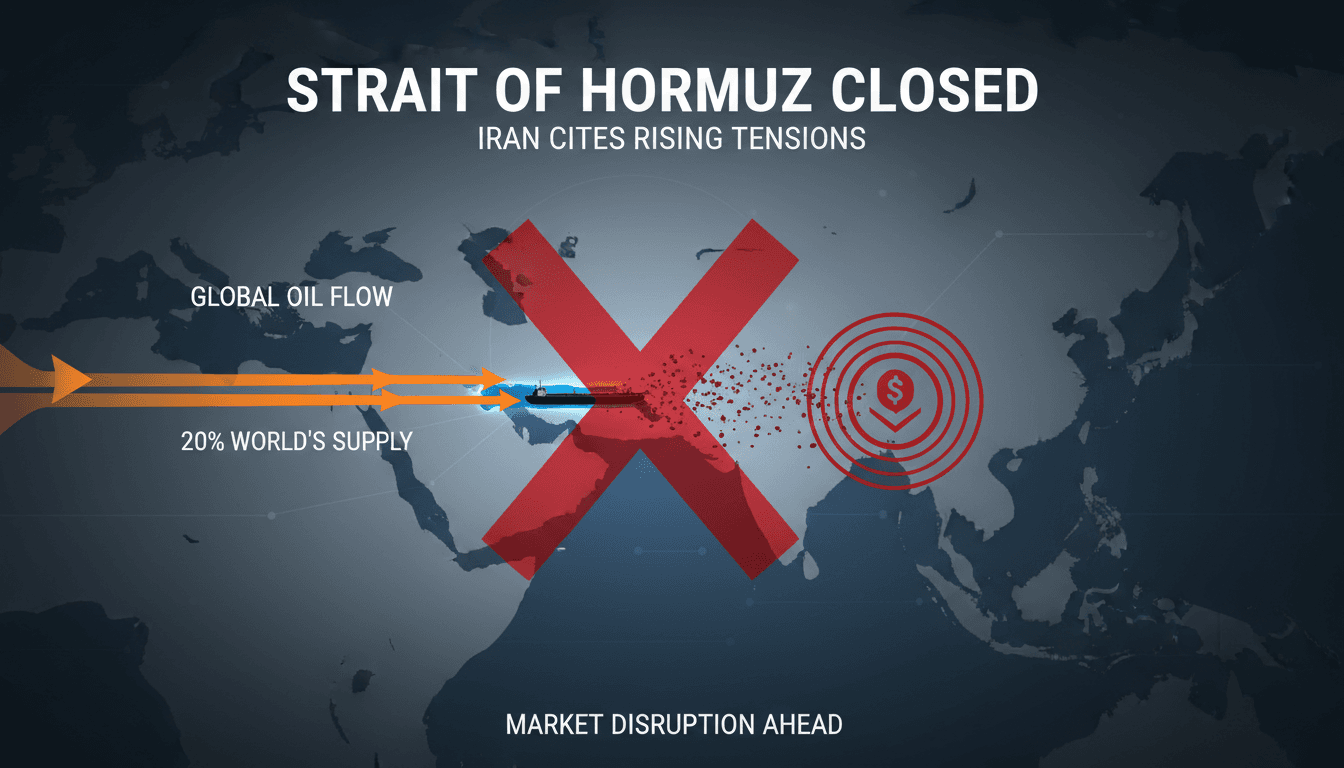
Here's what it means for you.
The closure of the Strait of Hormuz by Iran poses significant implications for global oil markets, as this vital chokepoint facilitates approximately 20% of the world's oil trade. The decision reflects escalating tensions between Iran and the United States, which could lead to increased volatility in oil prices and shipping routes. Stakeholders in the energy sector should prepare for potential disruptions and monitor developments closely.
What happened
The Iranian Revolutionary Guard Corps has announced the closure of the Strait of Hormuz to all vessels, citing security concerns and violations of a ceasefire by the United States. This decision, made public on June 10, 2026, marks a significant escalation in regional tensions. Iran's military has warned that any ship attempting to leave the Gulf or Sea of Oman will be viewed as cooperating with the enemy.
This closure is a direct response to ongoing hostilities and perceived threats from the U.S., which Iran claims have undermined the ceasefire agreement. The implications of this action are profound, as the Strait of Hormuz is a critical maritime chokepoint for global oil shipments.
The Context
The Strait of Hormuz is essential for international trade, particularly in oil, making its closure a matter of global economic concern. Approximately 20% of the world's oil trade passes through this narrow waterway, underscoring its strategic importance. The announcement comes amid heightened military tensions between Iran and the United States, with both nations engaged in a complex geopolitical standoff.
Iran's military, specifically the Khatam al-Anbiya headquarters, has taken a firm stance against any perceived threats, further complicating the security landscape in the region. The timing of this closure coincides with ongoing diplomatic strains, making it a pivotal moment for international relations and energy markets.
Takeaway
As the situation develops, the international community will be closely monitoring responses from the United States and allied nations regarding the closure. Potential military movements in the region could escalate tensions further, impacting global oil prices and shipping routes. Stakeholders should remain vigilant as the volatility in the Strait of Hormuz could have far-reaching consequences for energy security and international trade.
The outlook remains uncertain, with the possibility of further escalations that could disrupt not only oil markets but also broader geopolitical stability in the region.
Jordanian news and regional updates.
"Roya News is a Jordanian outlet focused on breaking news and local affairs."
— A47 Editor
مقر خاتم الأنبياء: نعلن إغلاق مضيق هرمز أمام جميع أنواع السفن
The military command of the مقر خاتم الأنبياء has announced the closure of the Strait of Hormuz to all types of vessels, marking a significant escalation in tensions in the coastal regions. This decision is seen as a critical move in the ongoing geop...
Arabic-language coverage of international news and geopolitics.
"RT Arabic is a Russian state-funded outlet often criticized for promoting Kremlin-aligned narratives."
— A47 Editor
الحرس الثوري: نحذر أي سفينة من مغادرة الخليج وبحر عمان.. الاقتراب من مضيق هرمز يعد تعاونا مع العدو
The Iranian Revolutionary Guard Corps announced the closure of the Strait of Hormuz until further notice, citing repeated violations of the ceasefire by the American enemy. This decision was made early Thursday morning and serves as a warning to any ...
Arabic-language coverage of international news and geopolitics.
"RT Arabic is a Russian state-funded outlet often criticized for promoting Kremlin-aligned narratives."
— A47 Editor
مقر "خاتم الأنبياء" الإيرني: اعتبارا من هذه اللحظة يُعلن إغلاق مضيق هرمز أمام مرور جميع أنواع السفن
The Iranian headquarters of 'Khatam al-Anbiya' announced early Thursday that, due to a lack of security in the region, the Strait of Hormuz is now closed to all types of vessels. This decision reflects escalating tensions in the area, which is a crit...