
EU Imposes Sanctions on Iranian Officials Over Strait of Hormuz Tensions
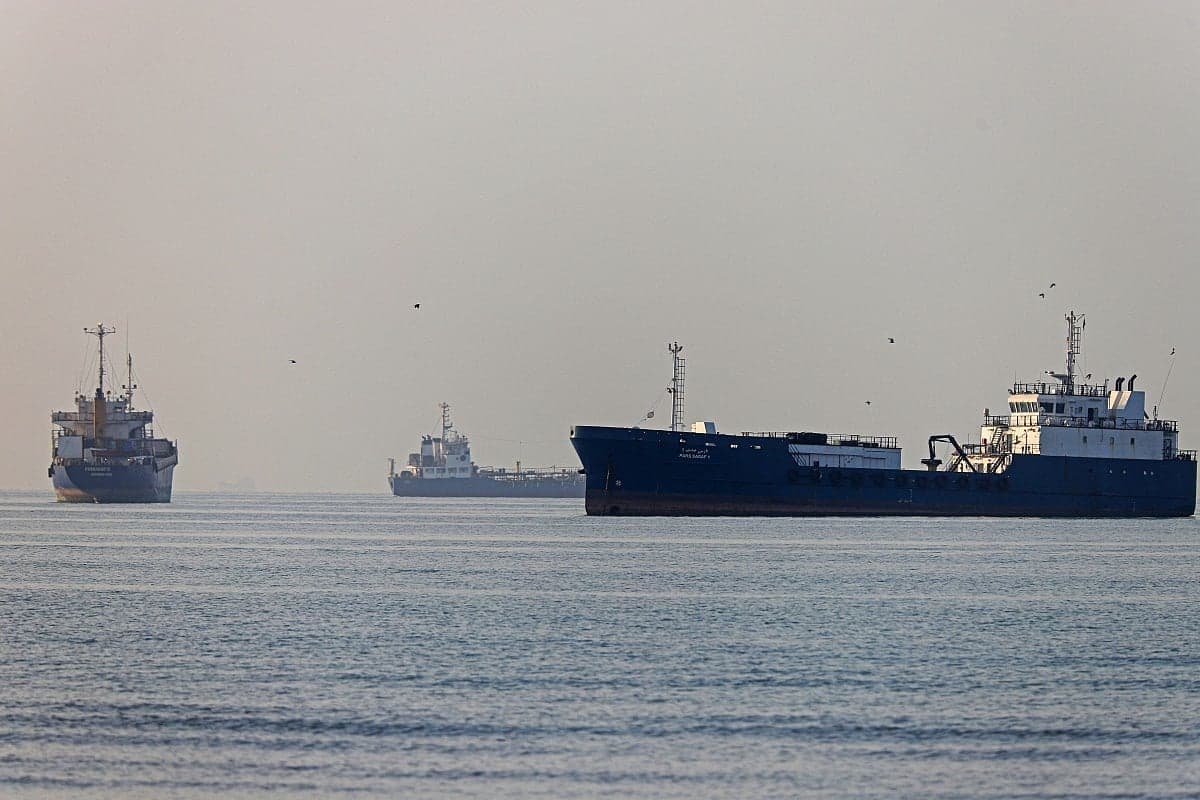
Here's what it means for you.
The European Union's recent sanctions against Iranian officials signal a significant escalation in geopolitical tensions in the Middle East. For businesses and policymakers, this development underscores the fragility of maritime security in a region critical to global oil shipments. The sanctions may lead to increased volatility in oil markets, affecting prices and supply chains. As the EU aims to uphold international navigation rights, stakeholders must remain vigilant about potential Iranian retaliation, which could further destabilize the region. This situation highlights the intricate dynamics of U.S.-Iran relations and their broader implications for global trade.
What happened
The European Union has imposed sanctions on two senior Iranian officials and a unit of the Islamic Revolutionary Guard Corps (IRGC) due to their involvement in obstructing maritime traffic in the Strait of Hormuz. This decision was announced on June 8, 2026, and reflects the EU's commitment to ensuring freedom of navigation in international waters. The targeted officials are linked to the IRGC, which has been actively involved in maritime operations that threaten navigation.
These sanctions are a direct response to escalating tensions involving Iran, the U.S., and Israel, particularly following recent military actions. By taking this step, the EU aims to address specific threats posed by individuals responsible for maritime disruptions.
The Context
The Strait of Hormuz is a vital maritime route for global oil shipments, making it a focal point of international interest and concern. The sanctions are part of broader geopolitical tensions that have been escalating in the region, particularly as Iran continues to assert its influence amid ongoing conflicts. The EU's actions reflect a strategic approach to maintain security in the Gulf region while navigating complex relationships with Iran and its adversaries.
As the situation evolves, the implications for international maritime security and oil markets are significant. The EU's targeted sanctions highlight the importance of maintaining stability in a region that is crucial for global energy supplies.
Takeaway
Looking ahead, the potential for Iranian retaliation against these sanctions remains a critical concern. Stakeholders should monitor developments in U.S.-Iran relations, as any shifts could have profound impacts on maritime security and regional stability. The situation in the Strait of Hormuz will likely continue to be a focal point for international diplomacy and military strategy.
As tensions rise, the EU's actions may provoke further responses from Iran, which could escalate the situation and affect global oil markets. Observers should remain alert to how these dynamics unfold in the coming weeks and months.
Arabic-language coverage of international news and geopolitics.
"RT Arabic is a Russian state-funded outlet often criticized for promoting Kremlin-aligned narratives."
— A47 Editor
الاتحاد الأوروبي يفرض عقوبات على إيرانيين بتهمة تهديد الملاحة في مضيق هرمز
The European Union has imposed sanctions on two Iranian individuals and a unit of the Revolutionary Guard, citing threats to freedom of navigation in the Strait of Hormuz. This decision reflects ongoing tensions in the region, particularly concerning...
Pan-Arab news coverage spanning politics, business, sports, and regional affairs.
"Asharq Al-Awsat reflects a broad Arab editorial perspective with strong attention to regional geopolitics."
— A47 Editor
الاتحاد الأوروبي يفرض عقوبات على إيرانيين لعرقلة الملاحة البحرية
The European Union announced on Monday that it has imposed sanctions on two Iranian individuals and a unit of the Islamic Revolutionary Guard Corps due to threats to maritime navigation in the Strait of Hormuz. This action reflects ongoing tensions i...
Conservative-leaning political and national coverage.
"The Washington Times is a conservative-leaning newspaper known for its political coverage and advocacy of right-of-center viewpoints."
— A47 Editor
European Union freezes assets for Iranian officials involved in blocking Strait of Hormuz
The European Union has imposed sanctions on two senior Iranian officials for their involvement in efforts to restrict maritime traffic through the strategically vital Strait of Hormuz. This action reflects the EU's stance against Iran's attempts to c...
Arabic-language political and world news coverage for UAE readers.
"Emarat Al Youm world coverage usually presents international developments through a UAE and Arab audience lens."
— A47 Editor
عقوبات أوروبية على الحرس الثوري الإيراني على خلفية إغلاق مضيق هرمز عقوبات أوروبية على الحرس الثوري الإيراني على خلفية إغلاق مضيق هرمز
The European Union imposed sanctions on the Iranian Revolutionary Guard on June 8, 2026, in response to the closure of the Strait of Hormuz, which has been ongoing since the start of the U.S.-Israeli attack. This action highlights the EU's stance on ...
UAE-based newspaper covering Gulf politics, society, and international developments.
"Gulf News is one of the UAE’s most prominent English-language publications."
— A47 Editor
Strait of Hormuz tensions: EU sanctions Iranian naval command, two officials
The European Union has imposed sanctions on the Iranian naval command and two officials in response to escalating tensions in the Strait of Hormuz, a critical maritime route for global oil shipments. This action reflects the EU's commitment to mainta...