
Top tennis players protest at Wimbledon for increased prize money and player welfare
Here's what it means for you.
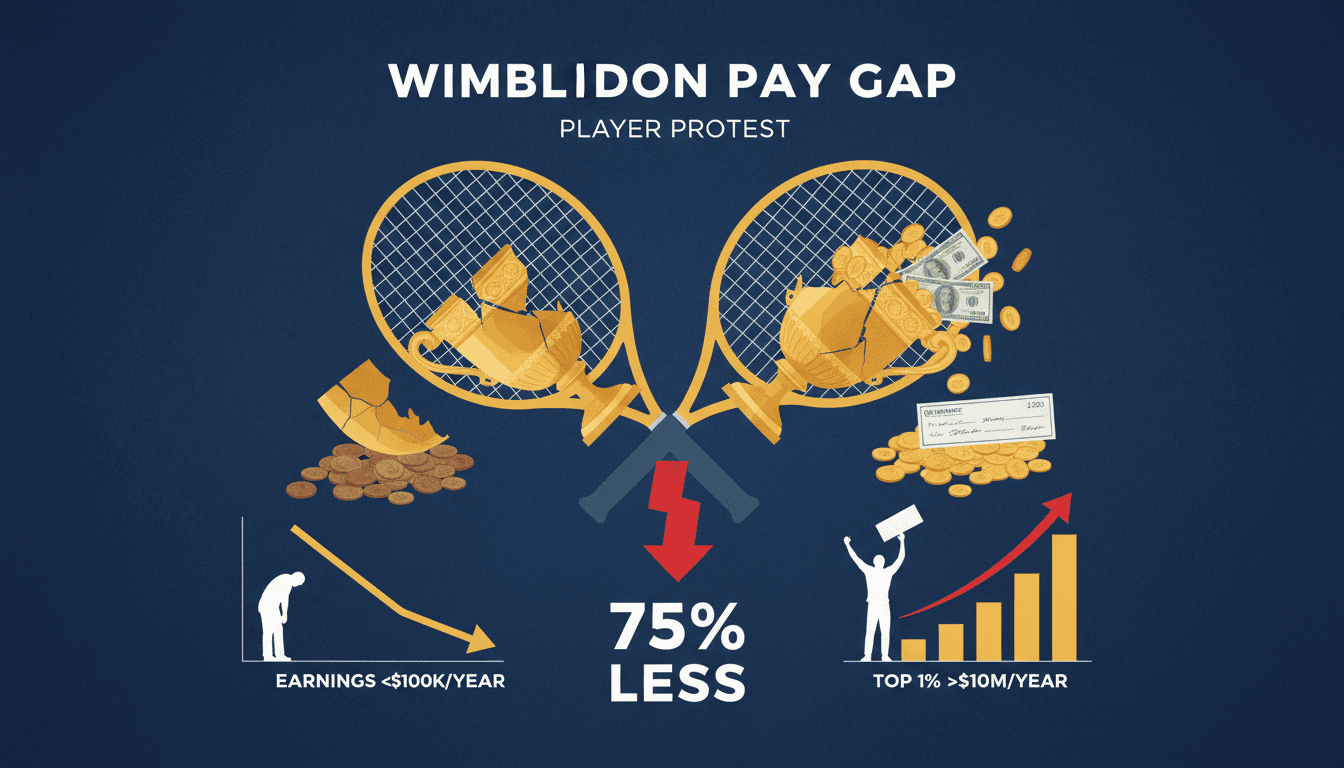
The ongoing protests at Wimbledon highlight a growing concern among professional athletes regarding fair compensation and support systems. As top players like Jannik Sinner and Aryna Sabalenka take a stand, the implications could extend beyond this tournament, potentially influencing negotiations at major events like the US Open. This movement underscores the need for a reevaluation of financial structures within the sport, particularly for those athletes facing economic challenges. The actions taken by these players may set a precedent for future athlete advocacy, emphasizing the importance of player welfare in professional sports. As the conversation around compensation evolves, it could lead to significant changes in how prize money is distributed.
What happened
Players at Wimbledon are currently protesting for increased prize money and better support for struggling athletes. The protests are spearheaded by world number ones Jannik Sinner and Aryna Sabalenka, who are vocal about their demands for a fairer distribution of financial resources. To draw attention to their cause, players have limited their media appearances to just 15 minutes.
This strategic move aims to highlight the financial difficulties faced by many athletes in the sport. The protests began on June 27, 2026, and are expected to continue throughout the first week of Wimbledon.
The Context
The protests at Wimbledon are significant as they reflect a broader issue within professional tennis regarding player compensation and welfare. With Jannik Sinner and Aryna Sabalenka leading the charge, the movement has garnered attention from both fans and media alike. Jessica Pegula has indicated that similar protests may occur at the upcoming US Open, suggesting a growing momentum for change.
The timing of these protests is crucial, as they coincide with one of the sport's most prestigious tournaments. The players' actions are not only aimed at immediate improvements but also seek to reshape the conversation around financial equity in tennis.
Takeaway
As the protests gain traction, they could have lasting implications for player compensation in major tournaments. The focus on limiting media appearances serves to amplify the players' message and draw attention to their demands. Observers should monitor developments at Wimbledon closely, as the outcomes may influence future negotiations regarding prize money distribution.
Additionally, the potential for similar protests at the US Open could signal a shift in how athletes advocate for their rights and welfare in the sport. The ongoing dialogue surrounding these issues is likely to shape the future landscape of professional tennis.
Top international stories selected by The Guardian editors.
"The Guardian is known for its progressive editorial stance and in-depth analysis."
— A47 Editor
Sinner and Sabalenka lead players’ protests at Wimbledon over prize money share
Jannik Sinner and Aryna Sabalenka, the world No. 1 players, led a media boycott at Wimbledon, limiting their appearances to 15 minutes as part of ongoing protests advocating for a larger share of prize money and improved player welfare. This initiati...
Pan-Arab news coverage spanning politics, business, sports, and regional affairs.
"Asharq Al-Awsat reflects a broad Arab editorial perspective with strong attention to regional geopolitics."
— A47 Editor
سابالينكا تدافع عن احتجاج اللاعبين في «ويمبلدون»
Aryna Sabalenka, the top seed at Wimbledon, defended the protest of senior players regarding prize money during a statement made on Saturday. The players' concerns highlight ongoing discussions about financial equity in the sport, particularly in pre...
Pan-Arab news coverage spanning politics, business, sports, and regional affairs.
"Asharq Al-Awsat reflects a broad Arab editorial perspective with strong attention to regional geopolitics."
— A47 Editor
سينر يرفض التعليق على احتجاجات جوائز ويمبلدون
Italian tennis player Jannik Sinner, currently ranked number one in the world, has reduced his media appearances as protests continue among top tennis players regarding the prize money at Wimbledon.
Global news coverage with extensive reporting on Middle Eastern conflicts and geopolitics.
"Al Jazeera is a Qatar-based broadcaster known for wide regional coverage and alternative perspectives."
— A47 Editor
Sabalenka defends Wimbledon prize protest, says it’s for struggling players
Aryna Sabalenka, the world number one tennis player, has defended her participation in protests at Wimbledon aimed at advocating for increased prize money for struggling players. This initiative is part of a broader movement among top tennis athletes...
Comprehensive coverage of Middle Eastern and global issues.
"Al Jazeera is a prominent voice from the Global South, especially the Middle East, with an emphasis on underreported stories."
— A47 Editor
Sabalenka defends Wimbledon prize protest, says it’s for struggling players
Aryna Sabalenka, the world number one tennis player, has defended her participation in protests at Wimbledon aimed at advocating for increased prize money for struggling players. This initiative is part of a broader movement among top tennis athletes...