
IFAB Acknowledges Red Card Error in World Cup Quarterfinals
Here's what it means for you.
The International Football Association Board's acknowledgment of a red card error during a high-stakes World Cup match underscores the pressing need for improved officiating standards in football. This incident not only impacts the integrity of match outcomes but also raises questions about player conduct and the reliability of refereeing in crucial moments. As discussions around officiating protocols intensify, stakeholders may push for reforms that enhance fairness in future tournaments.
What happened
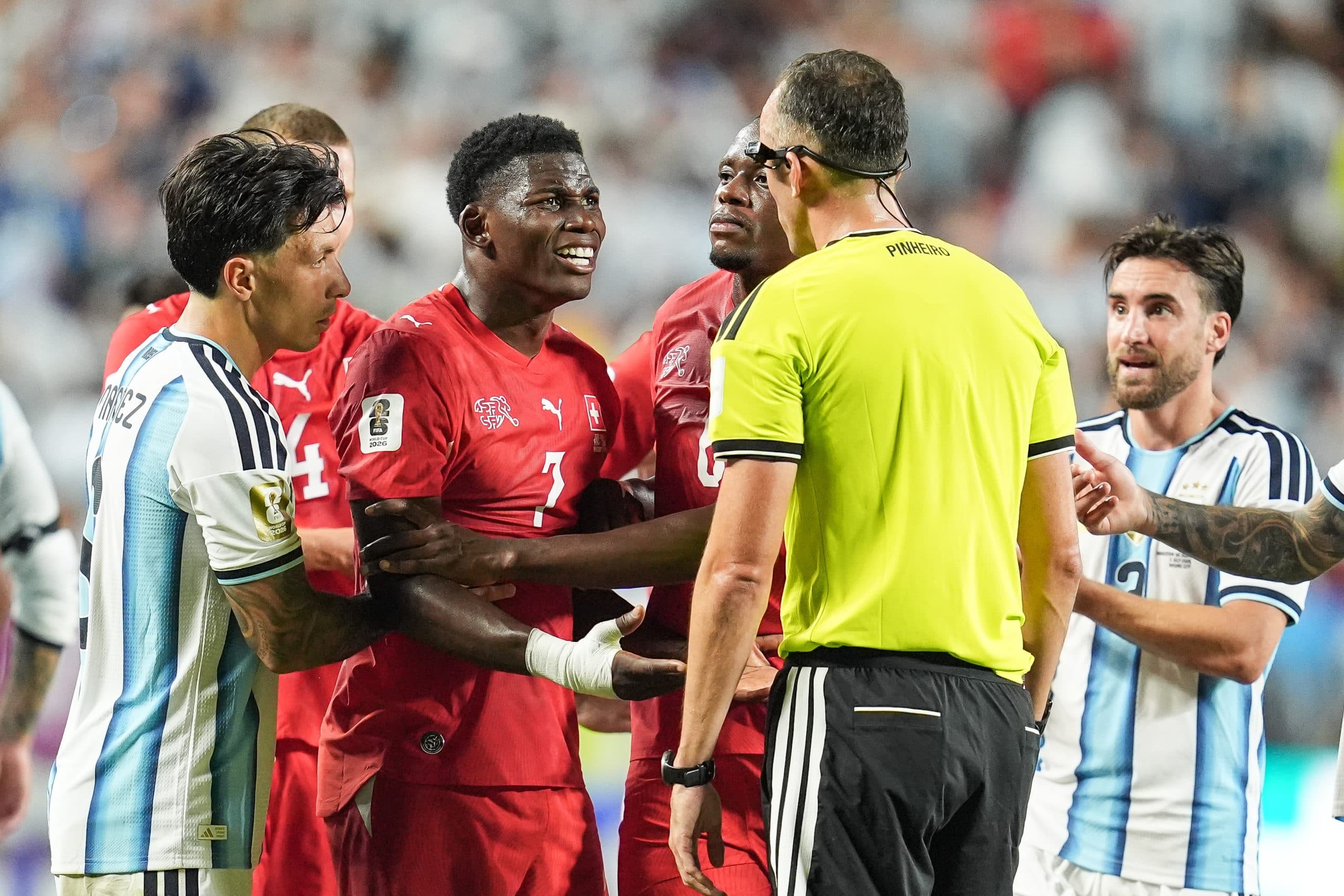
During the World Cup quarterfinal match against Argentina, Swiss player Breel Embolo was incorrectly issued a red card. The International Football Association Board (IFAB) has since confirmed that this decision was a mistake. The ruling was made public on July 28, 2026, and has sparked significant discourse regarding officiating accuracy in major tournaments.
The incident has drawn attention to the potential consequences of such errors on match outcomes and player reputations. As a result, the football community is now reflecting on the implications of this ruling and its impact on future officiating practices.
The Context
The red card incident occurred during the 2026 FIFA World Cup quarterfinals, a critical stage in the tournament where officiating decisions can heavily influence the outcome. IFAB's ruling highlights ongoing concerns about the accuracy of officiating in high-stakes matches, which is vital for maintaining the integrity of the sport. This acknowledgment of an incorrect decision raises questions about the current standards and protocols in place for referees.
As the football world grapples with this incident, it becomes increasingly clear that there is a need for enhanced training and support for officials. The integrity of match outcomes and the overall experience for players and fans alike depend on reliable officiating.
Takeaway
The recognition of officiating errors by IFAB may lead to significant reforms in how matches are officiated in future tournaments. Stakeholders are likely to engage in discussions about improving officiating standards and potentially revising VAR protocols in international competitions. This incident serves as a catalyst for change, emphasizing the importance of accuracy in officiating.
As the football community moves forward, there will be a heightened focus on ensuring fair play and accountability in officiating practices. The outcome of these discussions could shape the future of football officiating and enhance the overall integrity of the sport.
Wide-ranging U.S. and international sports news, scores, and commentary.
"Fox Sports is a major sports media outlet offering coverage of popular leagues and events with a focus on American audiences."
— A47 Editor
Was Switzerland's Red Card vs. Argentina At The World Cup A Mistake?
A rules panel has determined that Switzerland's Breel Embolo should not have received a red card during the World Cup quarterfinals against Argentina, a decision that has sparked significant debate regarding officiating standards in high-stakes match...
Arabic-language coverage of international news and geopolitics.
"RT Arabic is a Russian state-funded outlet often criticized for promoting Kremlin-aligned narratives."
— A47 Editor
فضائح التحكيم في مونديال 2026 تتكشف.. "إيفاب" يقر بقرار خاطئ جديد لصالح الأرجنتين
The International Football Association Board (IFAB) acknowledged that the red card issued to Swiss striker Breel Embolo during the quarter-final match against Argentina in the 2026 FIFA World Cup was incorrect. This decision has sparked discussions a...
Pan-Arab news coverage spanning politics, business, sports, and regional affairs.
"Asharq Al-Awsat reflects a broad Arab editorial perspective with strong attention to regional geopolitics."
— A47 Editor
الاتحاد الدولي: طرد إمبولو أمام الأرجنتين لم يكن مستحقاً
The International Football Association Board stated on Tuesday that Swiss striker Breel Embolo should not have been sent off during the quarter-final match against Argentina in the World Cup. This decision has sparked discussions regarding the offici...