
FIFA abandons $20 billion privatization plan for World Cup
What happened
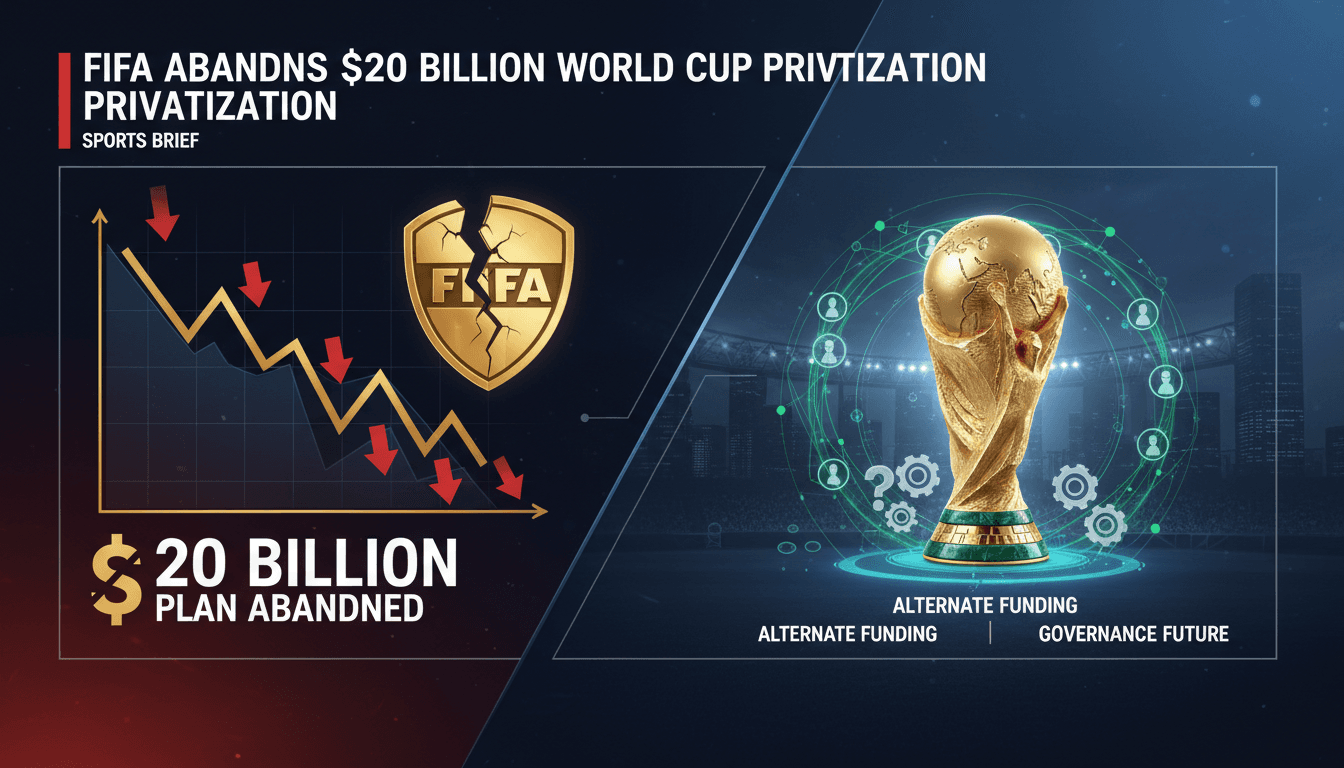
FIFA has officially abandoned its proposal to sell a stake in the World Cup, which was valued at $20 billion. The plan aimed to attract private investment to manage the operations of both the men's and women's World Cups. However, significant backlash from critics raised concerns about the potential loss of control and integrity of the tournament.
The decision to scrap the privatization plan comes after intense scrutiny and opposition, particularly regarding the implications of private ownership in sports. This cancellation marks a pivotal moment in the ongoing debate over the future of soccer's most lucrative tournament.
The Context
The proposal to privatize a stake in the World Cup was met with widespread criticism, as many argued it could undermine the tournament's integrity. Concerns over taxation and the broader implications of privatization fueled the backlash, intensifying discussions leading up to FIFA's announcement. Stakeholders, including fans and governing bodies, expressed apprehension about the potential shift in how major soccer events are managed.
This decision comes at a time when FIFA is under pressure to explore alternative funding strategies while maintaining the trust of its stakeholders. The future of the World Cup now hinges on FIFA's ability to balance financial needs with the expectations of fans and the soccer community.
Takeaway
With the privatization plan off the table, FIFA faces the challenge of reassessing its approach to funding and managing the World Cup. The organization will need to engage with stakeholders to ensure that the tournament remains both financially viable and true to its core values.
As FIFA navigates this complex landscape, observers should monitor its future financial strategies and any governance changes that may arise. The reactions from soccer stakeholders will also be crucial in shaping the direction FIFA takes moving forward.
Market-moving headlines impacting equities, bonds, and related risk assets.
"Real-time catalysts and volatility drivers across indices and sectors."
— A47 Editor
FIFA has scrapped $20 billion World Cup sell-off plan, New York Post reports
FIFA has announced the cancellation of its controversial $20 billion plan to sell off World Cup commercial rights, a decision confirmed by President Gianni Infantino amid significant backlash from football associations and stakeholders. This move com...
Sports news with an emphasis on business, economics, and strategy behind major events and leagues.
"WSJ’s sports coverage is distinguished by its focus on financial and strategic aspects of the sports world."
— A47 Editor
Soccer Wants to Capitalize on the American World Cup—and It’s Already a Disaster
FIFA's recent announcement to create a semi-private subsidiary for selling stakes in its business operations, including the World Cup, has sparked significant backlash, particularly from UEFA and European teams, who have expressed disbelief and outra...
Business, investment, entrepreneurship, leadership, and innovation.
"Forbes is known for its coverage of business leaders, market trends, and entrepreneurial ventures with a pro-business editorial stance."
— A47 Editor
FIFA’s $20 Billion Question: Can The World Cup Have Private Owners?
FIFA is considering selling a stake in its operations, including the men's and women's World Cups, as part of a $20 billion private equity plan aimed at enhancing its financial management and event operations. This proposal has raised complex tax imp...
Breaking news, politics, business, and entertainment from the U.S. and around the world.
"The New York Post is a tabloid-format newspaper known for its sensationalist headlines and conservative-leaning editorial tone."
— A47 Editor
Breaking down FIFA’s attempt to privatize World Cup, its scathing backlash — and if it will pass
FIFA's recent proposal to privatize the World Cup has sparked significant backlash, raising questions about its feasibility and implications for the future of the tournament. The proposal aims to generate additional revenue streams but has faced crit...
Business, investment, entrepreneurship, leadership, and innovation.
"Forbes is known for its coverage of business leaders, market trends, and entrepreneurial ventures with a pro-business editorial stance."
— A47 Editor
Inside The Debate Over FIFA’s $20 Billion Private Equity Plan For The World Cup
FIFA's proposal to engage private equity in managing the World Cup, valued at $20 billion, has sparked a significant debate regarding control over soccer's most lucrative tournament. This initiative is part of a broader strategy to enhance FIFA's fin...
Business, investment, entrepreneurship, leadership, and innovation.
"Forbes is known for its coverage of business leaders, market trends, and entrepreneurial ventures with a pro-business editorial stance."
— A47 Editor
FIFA’s Private Equity Plan Sparks Battle Over World Cup’s Future
FIFA's proposal to engage private equity in managing the World Cup has ignited a significant debate over the control and future of soccer's most lucrative tournament. This initiative is part of a broader strategy to enhance FIFA's financial operation...