
2026 FIFA World Cup final to feature first-ever halftime show
Here's what it means for you.
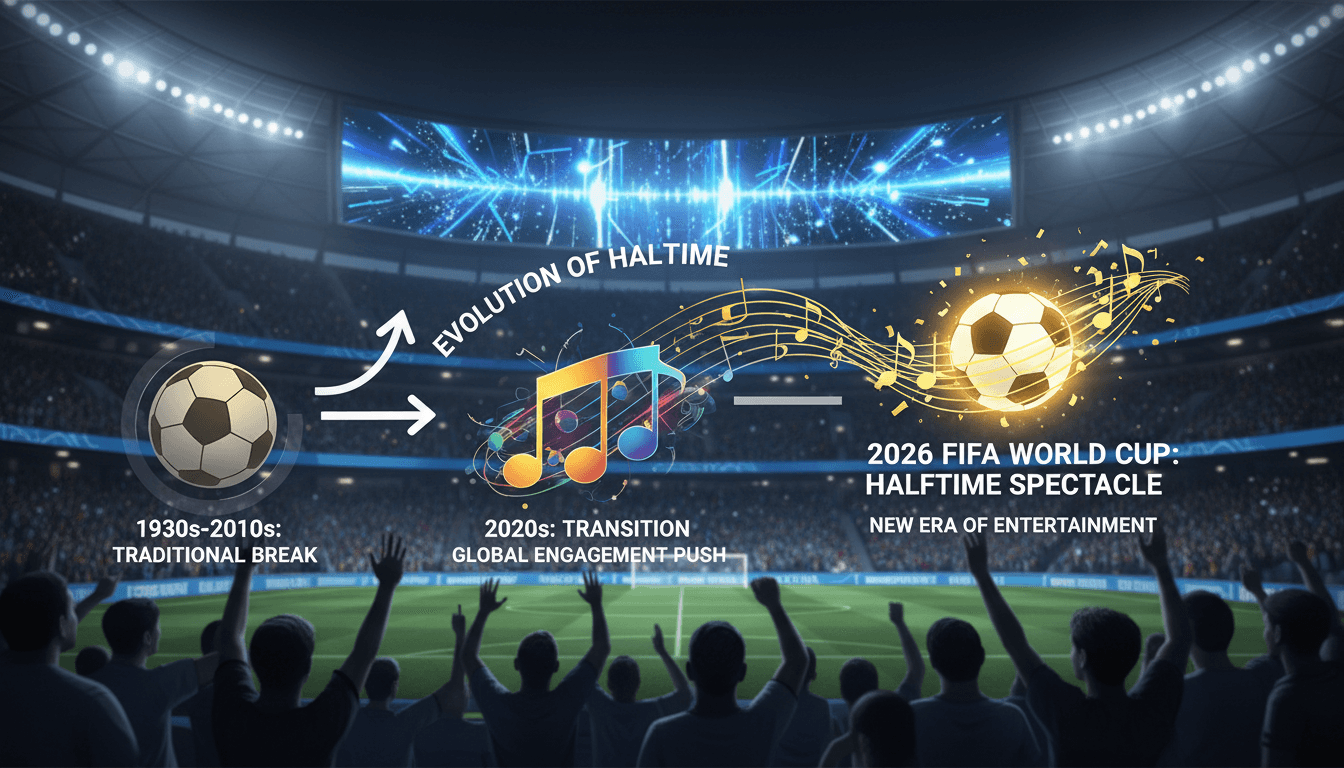
The introduction of a halftime show at the 2026 FIFA World Cup final marks a significant shift in how major sporting events are presented. This change aims to enhance fan engagement and modernize the viewing experience, potentially influencing future tournaments. As FIFA embraces this entertainment-focused approach, it may redefine the expectations of soccer fans worldwide.
What happened
The 2026 FIFA World Cup final will feature a historic halftime show, breaking a 96-year tradition of a brief intermission focused on analysis and player regrouping. This change is set to take place during the final match between Spain and Argentina in New Jersey. The decision to introduce a halftime show has sparked controversy, particularly among traditionalists who favor the conventional format.
Teams like Spain and Argentina will need to adapt to this longer break, which deviates from the traditional 15-minute halftime focused on tactical discussions. The shift signifies a broader trend towards integrating entertainment into sports, reflecting changing audience expectations.
The Context
The traditional halftime break in World Cup history has been a time for teams to regroup and analyze their strategies. With the upcoming final, FIFA is taking a bold step to modernize the event's presentation, aiming to attract a wider audience. This change comes at a time when sports organizations are increasingly focused on enhancing fan experiences through entertainment.
The introduction of the halftime show has faced backlash from purists who argue that it undermines the sport's integrity. However, FIFA's decision may also resonate with younger fans who seek a more dynamic and engaging experience during matches.
Takeaway
As the World Cup final embraces this new halftime format, it will be crucial to monitor fan reactions and how this change influences future sporting events. The success or failure of the halftime show could set a precedent for how soccer is experienced globally. Observing the impact of this shift will provide insights into the evolving relationship between sports and entertainment.
The 2026 final may serve as a pivotal moment in the history of the World Cup, potentially reshaping the event's future and fan engagement strategies.
Breaking news, scores, player stats, and analysis across all major sports.
"Yahoo Sports is a comprehensive digital sports destination known for stats, fantasy sports, and real-time updates."
— A47 Editor
Soccer half-time rules explained as FIFA face backlash for Super Bowl-style World Cup final show
The 2026 FIFA World Cup final is set to take place at MetLife Stadium in New Jersey, featuring a match between Spain and Argentina, which has sparked considerable controversy, particularly regarding FIFA's decision to implement a Super Bowl-style hal...
Business, investment, entrepreneurship, leadership, and innovation.
"Forbes is known for its coverage of business leaders, market trends, and entrepreneurial ventures with a pro-business editorial stance."
— A47 Editor
The FIFA World Cup Halftime Show Breaks A Longstanding Tradition
The FIFA World Cup final will break a 96-year tradition by introducing a halftime show on July 19, moving away from the customary fifteen minutes of tactical analysis and player regrouping. This change signifies a shift in how the event is presented,...
Breaking news, politics, business, and entertainment from the U.S. and around the world.
"The New York Post is a tabloid-format newspaper known for its sensationalist headlines and conservative-leaning editorial tone."
— A47 Editor
World Cup Final’s first-ever halftime show forcing Spain, Argentina to adapt with longer break
The 2026 FIFA World Cup final will feature a historic first-ever halftime show, requiring both Spain and Argentina to adjust to a longer break during the match. This change marks a significant shift in the traditional format of the World Cup, which h...