
2026 World Cup concludes with lasting cultural and economic impacts
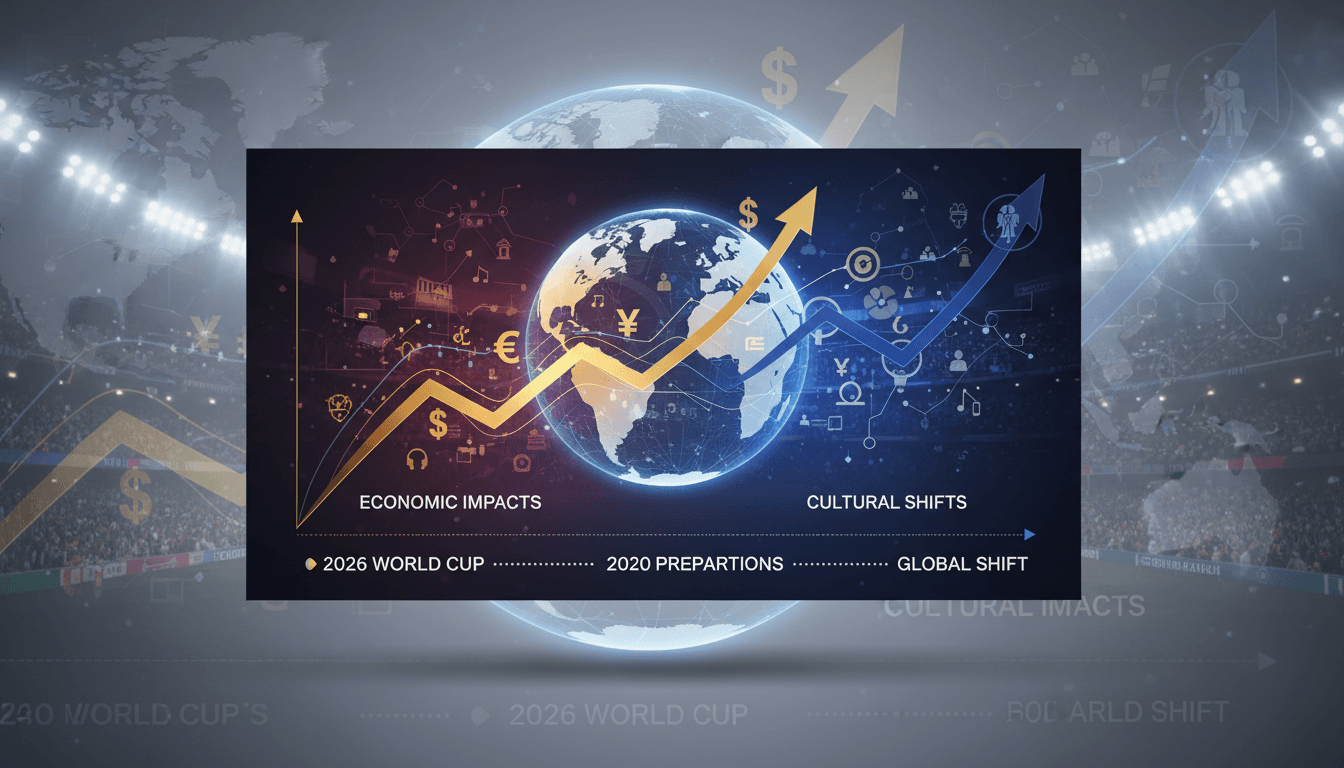
Here's what it means for you.
The conclusion of the 2026 World Cup marks a pivotal moment in the global sports landscape, with significant cultural and economic implications. Stakeholders in sports and media must now navigate the evolving dynamics shaped by this tournament, particularly as discussions around money and geopolitics gain prominence. The controversies surrounding this year's event are expected to influence preparations for the next World Cup in 2030, which will be hosted across multiple nations. As the world reflects on the tournament, the lasting effects on media-related businesses and the broader cultural landscape will be critical to monitor. The intersection of sports, culture, and economics will continue to shape public discourse in the coming years.
What happened
The 2026 World Cup has concluded, leaving behind a legacy of cultural and economic impact that is expected to resonate globally. This year's tournament was marked by unprecedented controversies, making it the most contentious in history. The discussions surrounding the event have highlighted ongoing trends in sports economics and geopolitics, setting a new precedent for future tournaments.
As the dust settles, the implications of the 2026 World Cup will continue to influence the media and cultural landscapes. The tournament's conclusion has sparked immediate discussions about its effects, particularly as stakeholders begin to assess the long-term ramifications.
The Context
The World Cup is one of the few global events that captures the attention of a worldwide audience, making its impact particularly significant. This year's tournament has been characterized by its controversies, reflecting the complex interplay of power dynamics and economic interests in sports. With the next World Cup scheduled for 2030 across six countries, these themes are likely to persist and evolve.
The ongoing discussions about the cultural and economic implications of the 2026 World Cup underscore the importance of understanding the broader context in which these events occur. As stakeholders prepare for future tournaments, the lessons learned from this year's controversies will be crucial in shaping the landscape of international sports.
Takeaway
Looking ahead, the cultural and economic ramifications of the 2026 World Cup will play a vital role in shaping the future of sports and media. Observers should monitor the preparations for the 2030 World Cup, particularly how host nations adapt to the lingering effects of this year's tournament. The evolving landscape will present both challenges and opportunities for stakeholders in the sports industry.
As discussions continue, the intersection of sports, culture, and economics will remain a focal point for analysis. The impact of the 2026 World Cup will likely influence not only future tournaments but also the broader media landscape in the years to come.
Stock market news, investing ideas, and trading analysis.
"TheStreet provides market news and retail-investor-focused analysis."
— A47 Editor
The World Cup just rewrote the economics of sports
The 2026 FIFA World Cup has significantly impacted the economics of sports, showcasing the event's ability to unite global audiences in a way that few other occurrences can. Despite the tournament's global appeal, it has faced mixed economic outcomes...
Business, investment, entrepreneurship, leadership, and innovation.
"Forbes is known for its coverage of business leaders, market trends, and entrepreneurial ventures with a pro-business editorial stance."
— A47 Editor
World Cup 2026 Wraps Up But Cultural Impacts Will Linger
The 2026 FIFA World Cup has concluded, leaving a significant cultural and economic impact on media-related businesses both in the U.S. and globally. Despite the tournament's end, the effects on tourism, local economies, and media rights are expected ...
Business, investment, entrepreneurship, leadership, and innovation.
"Forbes is known for its coverage of business leaders, market trends, and entrepreneurial ventures with a pro-business editorial stance."
— A47 Editor
Money, Geopolitics And Power Dominated The World Cup; Same Again In 2030?
The 2026 FIFA World Cup has been marked as one of the most controversial in history, continuing a trend of geopolitical and financial influences that are expected to shape the tournament's future, particularly as it prepares for a multi-country hosti...