
European Teams Maintain Dominance in Expanded World Cup Quarter-Finals
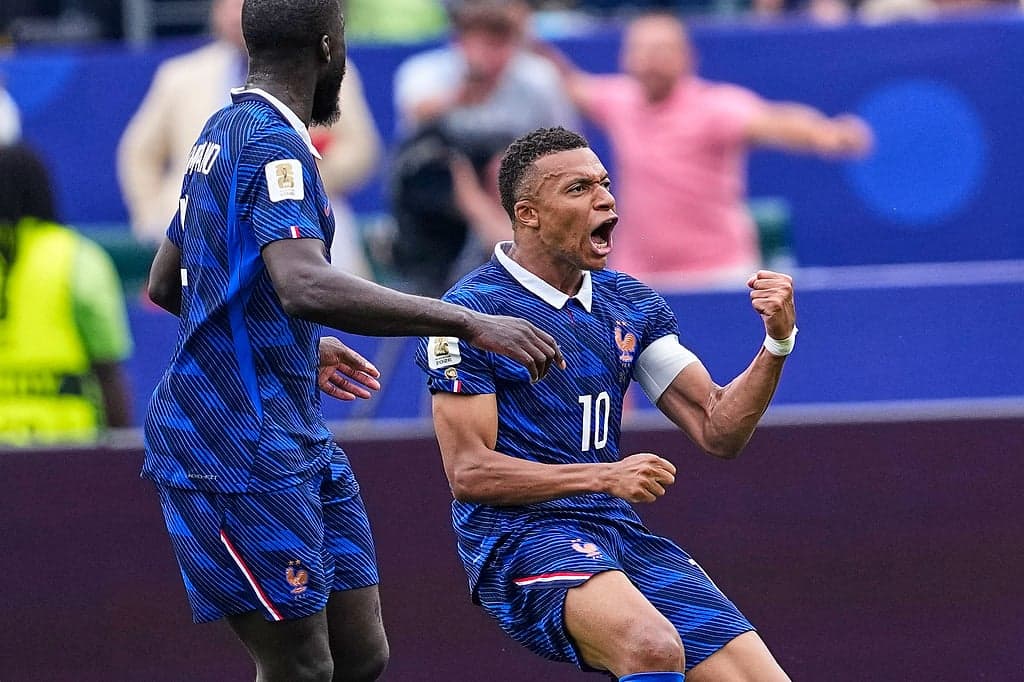
Here's what it means for you.
The ongoing dominance of European teams in the quarter-finals of the expanded World Cup raises critical questions about the effectiveness of the tournament's new format. While the expansion to 48 teams was designed to enhance global representation, the results suggest that European superiority remains unchallenged. This trend could prompt stakeholders to reconsider the structure and qualification processes for future tournaments. As the competition unfolds, the implications for non-European teams are significant. Their performance in upcoming matches will be closely monitored to assess whether they can break the European stronghold.
What happened
European teams have once again asserted their dominance in the quarter-finals of the expanded World Cup, which now features 48 teams. Despite the increase in participating nations, the line-up reflects a familiar pattern of European superiority. Historically, European teams have performed well in the tournament, with the 2002 World Cup being a notable exception where only four European teams reached the quarter-finals.
The current quarter-final stage showcases a majority of European teams, underscoring the ongoing trend. This situation raises questions about the competitive balance intended by the tournament's expansion.
The Context
The World Cup's expansion to 48 teams was aimed at providing more opportunities for underrepresented continents and enhancing global competitiveness. However, the quarter-finals reveal that European teams continue to dominate, suggesting that the competitive landscape remains skewed. The historical performance of European teams in the tournament has set a high bar, making it challenging for teams from other regions to compete effectively.
The 2002 World Cup serves as an outlier in this context, highlighting that European representation has typically been strong. As the tournament progresses, the focus will be on whether the expanded format can truly foster a more balanced competitive environment.
Takeaway
The continued dominance of European teams in the quarter-finals raises important questions about the effectiveness of the World Cup's expansion. Observers will need to monitor the performance of non-European teams in future matches to gauge any shifts in competitiveness. Additionally, any changes in tournament structure or qualification processes could significantly impact the dynamics of international football.
As the tournament unfolds, it will be crucial to assess whether the expanded format can lead to a more equitable representation of teams from different continents.
Regional and international reporting focused on Middle Eastern politics, diplomacy, and economics.
"Asharq Al-Awsat is a Saudi-owned international newspaper reflecting mainstream Gulf political perspectives."
— A47 Editor
Expanded World Cup; Same Old Story as Europe Dominates Quarter-Finals
The quarter-finals of the expanded FIFA World Cup 2026 have been confirmed, showcasing Europe's continued dominance in the tournament as several teams, including England and Portugal, advanced alongside Argentina and Egypt. This stage follows a serie...
UAE-based newspaper covering Gulf politics, society, and international developments.
"Gulf News is one of the UAE’s most prominent English-language publications."
— A47 Editor
Expanded World Cup: same old story as Europe dominates quarter-finals
The quarter-finals of the expanded FIFA World Cup 2026 have been confirmed, with Europe continuing its dominance as several European teams, including England and Portugal, advanced alongside Argentina and Egypt. The matches have been marked by intens...
A curated Gulf News feed featuring major stories across news, business, opinion, and lifestyle.
"Gulf News is a major UAE newspaper whose featured stories feed reflects a broad editorial mix shaped for a Gulf audience."
— A47 Editor
Expanded World Cup: same old story as Europe dominates quarter-finals
The quarter-finals of the expanded FIFA World Cup 2026 have been confirmed, with Europe continuing its dominance as several European teams, including England and Portugal, advanced alongside Argentina and Egypt. The matches have been marked by intens...
Breaking news, scores, player stats, and analysis across all major sports.
"Yahoo Sports is a comprehensive digital sports destination known for stats, fantasy sports, and real-time updates."
— A47 Editor
Expanded World Cup; same old story as Europe dominates quarter-finals
The expanded World Cup format, which increased the number of participating teams to 48, has not significantly altered the dominance of European teams in the quarter-finals, echoing patterns from previous tournaments. Historically, the 2002 World Cup ...