
Tour de France shortens stage due to extreme heatwave
Here's what it means for you.
The decision to shorten a stage of the Tour de France due to extreme heat underscores the increasing impact of climate conditions on sporting events. This move prioritizes the safety of athletes, reflecting a growing trend in sports management to adapt to environmental challenges. As the race progresses, competitors will need to recalibrate their strategies to navigate these unpredictable conditions effectively. The implications extend beyond the race itself, as organizers may face pressure to implement further changes in response to ongoing weather patterns. This situation highlights the importance of flexibility in event planning, particularly in outdoor sports.
What happened
A stage of the Tour de France was shortened due to an intense heatwave affecting the region, prompting race organizers to prioritize rider safety. Belgian cyclist Tim Merlier secured his second consecutive stage victory, showcasing his competitive edge in the event. Meanwhile, defending champion Tadej Pogacar maintained his overall lead, with a time gap of 2 minutes and 42 seconds over his closest rival.
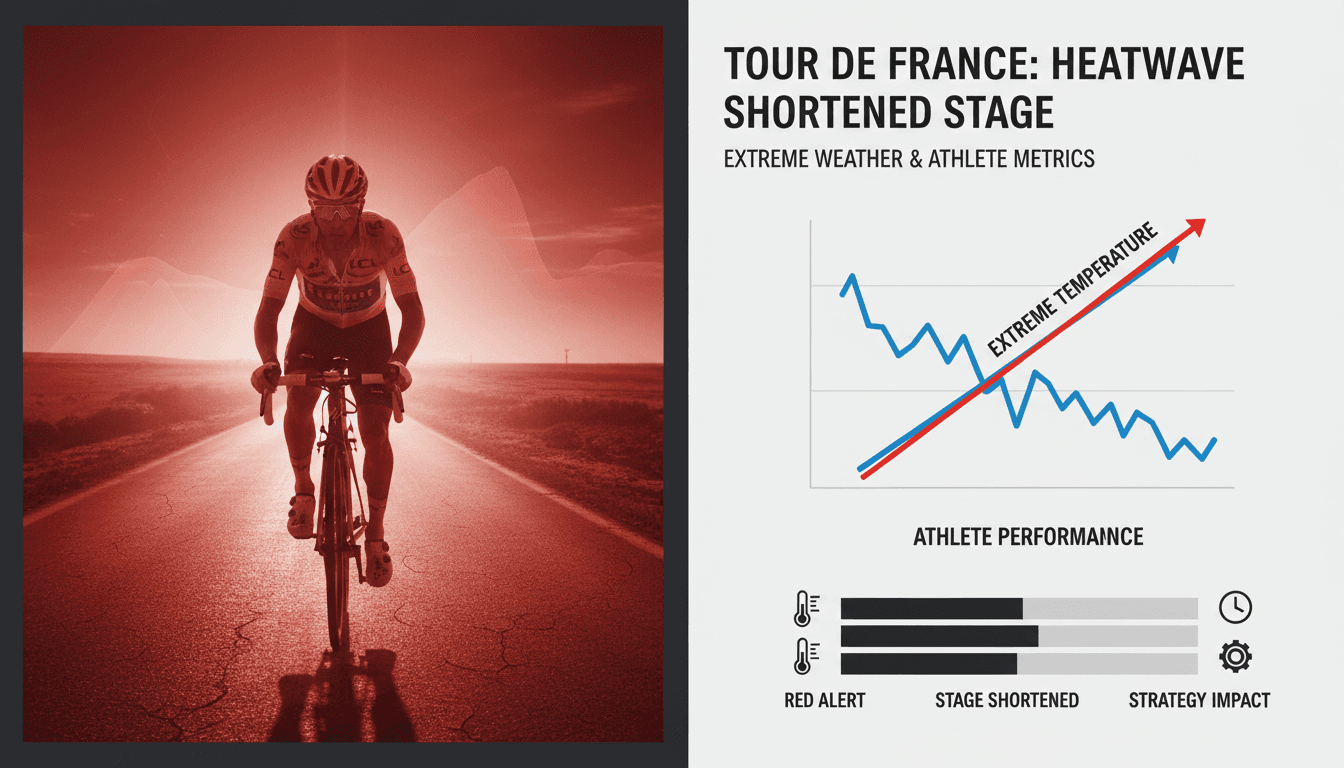
The decision to shorten the stage was made in light of a red alert issued by France's weather authority for intense heat in Corrèze. This adjustment reflects the organizers' commitment to ensuring the well-being of the participants amid challenging weather conditions.
The Context
The Tour de France is currently navigating unprecedented challenges due to extreme weather, which has prompted significant adjustments to the race format. The red alert for intense heat highlights the broader implications of climate change on outdoor sporting events, raising questions about future race planning and athlete safety.
Tim Merlier's back-to-back victories emphasize the competitive nature of this year's race, while Tadej Pogacar's continued dominance as a four-time champion reinforces his status as a leading figure in cycling. As the race unfolds, the dynamics among competitors may shift as they adapt to the evolving conditions.
Takeaway
As the Tour de France progresses, the ongoing heatwave may lead to further adjustments in the race schedule and competitors' strategies. Observers should monitor how these extreme weather conditions influence performance and race dynamics in the coming stages.
The impact of the heatwave on the athletes' endurance and tactics will be crucial as they navigate the challenges ahead. This situation serves as a reminder of the importance of adaptability in sports, particularly in the face of changing environmental factors.
UAE-based English-language newspaper covering regional politics, economics, and global affairs.
"The National reflects Emirati policy perspectives while maintaining international editorial standards."
— A47 Editor
Tour de France 2026: Tim Merlier earns second sprint win in row as Tadej Pogacar keeps firm grip on lead
Tim Merlier secured his second consecutive sprint victory at the 2026 Tour de France, showcasing his speed and skill as he continues to challenge for stage wins. Meanwhile, Tadej Pogacar maintains a strong lead in the overall standings, demonstrating...
Breaking news, scores, player stats, and analysis across all major sports.
"Yahoo Sports is a comprehensive digital sports destination known for stats, fantasy sports, and real-time updates."
— A47 Editor
Merlier wins stage 8 of Tour as race favorite Pogacar keeps yellow jersey
Belgian cyclist Tim Merlier secured victory in the eighth stage of the Tour de France, achieving back-to-back wins following his triumph in stage seven. Defending champion Tadej Pogacar maintained his overall lead, finishing in the main pack and reta...
24/7 international news from a French perspective in multiple languages.
"France 24 is viewed as a globally focused outlet with balanced coverage and a European perspective."
— A47 Editor
Tour de France stage to be shortened due to 'intense heatwave'
The organizers of the Tour de France announced the decision to shorten a stage of the race due to an intense heatwave, specifically cutting out a hilly loop at the start of the stage after a red alert was declared in Corrèze. This adjustment reflects...