
IRGC Enforces Iran-Approved Shipping Routes in Strait of Hormuz
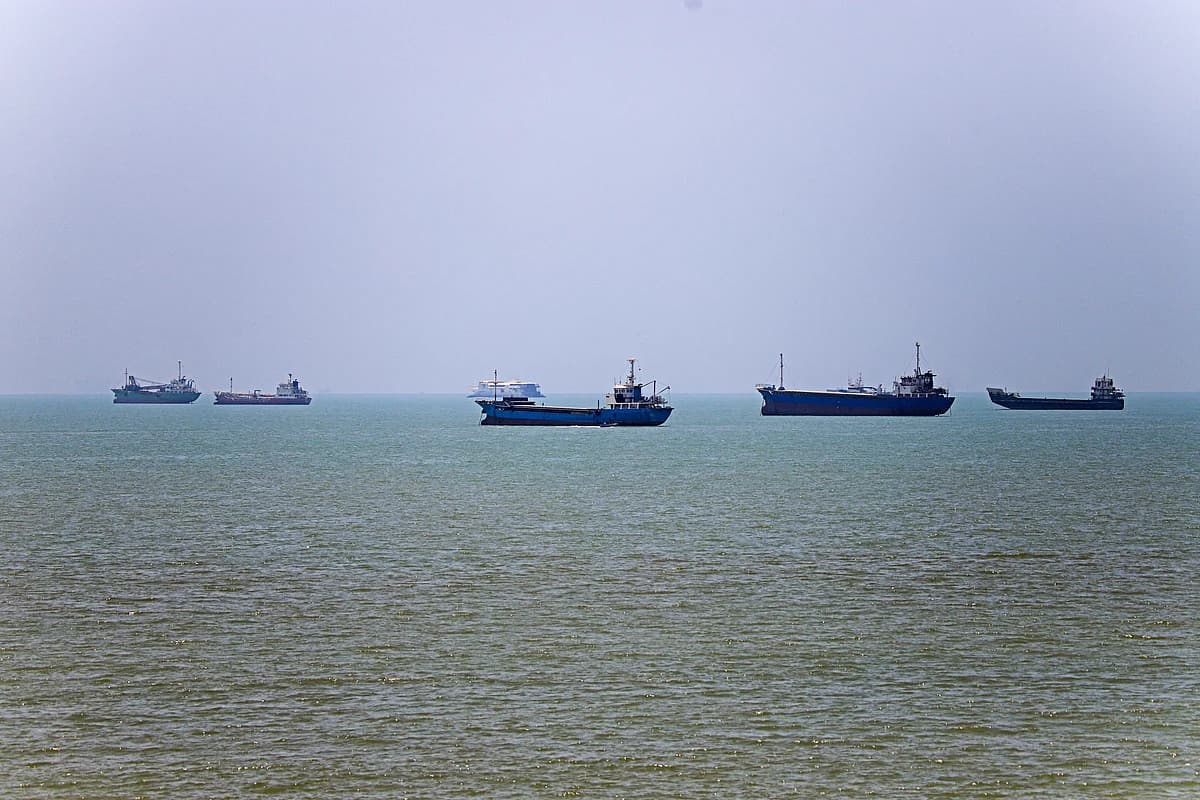
Here's what it means for you.
The Islamic Revolutionary Guard Corps (IRGC) has mandated that vessels in the Strait of Hormuz adhere to Iran-approved shipping routes, a move that could significantly impact global oil markets. With approximately 20% of the world's oil passing through this critical maritime passage, any disruption could lead to increased prices and supply chain uncertainties. Stakeholders in the shipping and energy sectors should closely monitor the evolving situation, as it may influence regional stability and international maritime practices.
What happened
The IRGC has issued warnings that all ships must utilize Iran-approved routes while navigating the Strait of Hormuz. This directive has escalated tensions, particularly with Oman, as disputes over shipping practices and transit fees complicate ongoing diplomatic negotiations. The IRGC's stance reflects a broader assertion of control over maritime navigation in a region vital for global oil shipments.
As these developments unfold, the International Maritime Organization (IMO) has paused a seafarers' evacuation plan in response to the heightened tensions. The situation remains fluid, with potential ramifications for international shipping and regional diplomacy.
The Context
The Strait of Hormuz is a crucial maritime corridor, with about 20% of the world's oil transported through its waters. Iran's insistence on approved shipping routes may conflict with established international shipping practices, raising concerns among global stakeholders. The ongoing disputes with Oman over transit fees and shipping routes could hinder efforts to reach a permanent agreement, further complicating the geopolitical landscape.
As the IRGC enforces its directives, the implications for regional shipping dynamics and international relations are significant. The situation is being closely monitored by various stakeholders, including neighboring Gulf states and international maritime organizations.
Takeaway
The enforcement of Iran-approved shipping routes in the Strait of Hormuz may lead to increased regional conflict or a reevaluation of maritime agreements. Observers should watch for potential responses from Oman and other Gulf states regarding Iran's demands, as well as reactions from international maritime organizations. The evolving situation could have lasting effects on shipping practices and diplomatic negotiations in this vital corridor.
As tensions rise, the potential for conflict or renewed diplomatic efforts will be critical to monitor for those reliant on this essential maritime passage.
Global news coverage with extensive reporting on Middle Eastern conflicts and geopolitics.
"Al Jazeera is a Qatar-based broadcaster known for wide regional coverage and alternative perspectives."
— A47 Editor
IRGC warns against new Hormuz route for ships: What we know
The Islamic Revolutionary Guard Corps (IRGC) has issued a warning against the establishment of a new shipping route in the Strait of Hormuz, emphasizing that disagreements over shipping routes and transit fees could hinder efforts to reach a permanen...
Comprehensive coverage of Middle Eastern and global issues.
"Al Jazeera is a prominent voice from the Global South, especially the Middle East, with an emphasis on underreported stories."
— A47 Editor
IRGC warns against new Hormuz route for ships: What we know
The Islamic Revolutionary Guard Corps (IRGC) has issued a warning against the establishment of a new shipping route in the Strait of Hormuz, emphasizing that disagreements over shipping routes and transit fees could hinder efforts to reach a permanen...
Regional and international reporting focused on Middle Eastern politics, diplomacy, and economics.
"Asharq Al-Awsat is a Saudi-owned international newspaper reflecting mainstream Gulf political perspectives."
— A47 Editor
Iran Warns Against Hormuz Crossings Without Authorization
Iran has issued a warning against unauthorized crossings in the Strait of Hormuz, emphasizing that all vessels must adhere to designated routes and coordinate with the Islamic Revolutionary Guard Corps (IRGC). This announcement follows a series of mi...
UAE-based English-language newspaper covering regional politics, economics, and global affairs.
"The National reflects Emirati policy perspectives while maintaining international editorial standards."
— A47 Editor
IRGC says ships must use Iran-approved Hormuz routes, putting it at odds with Oman
The Islamic Revolutionary Guard Corps (IRGC) has mandated that all ships navigating the Strait of Hormuz must adhere to Iran-approved routes, creating tensions with Oman, which has established its own maritime corridor for safe passage in the region....
Breaking news and analysis from the UAE and Gulf region.
"Khaleej Times is a long-running UAE publication with broad regional coverage."
— A47 Editor
IMO pauses seafarers' evacuation plan in Hormuz; Iran authority issues warning
The International Maritime Organization (IMO) has decided to pause its evacuation plan for seafarers in the Strait of Hormuz following a warning issued by Iranian authorities. This decision comes amid escalating tensions in the region, particularly a...