
UAE's peak summer heat season 'Jamrat Al Qayd' begins July 3 2026
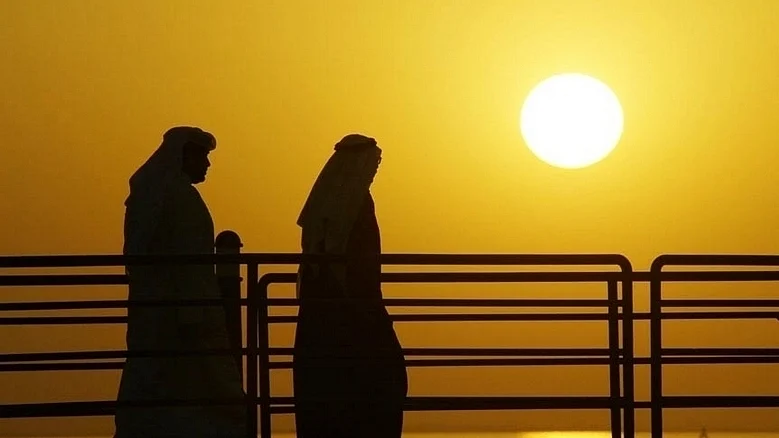
Here's what it means for you.
The onset of the 'Jamrat Al Qayd' season signals a critical period for residents of the UAE, as extreme temperatures and dryness are expected to dominate the landscape. This annual phenomenon not only affects daily life but also poses significant health risks, necessitating proactive measures from individuals and communities. As temperatures may soar above 50 degrees Celsius, awareness and preparedness become essential for maintaining well-being during this challenging time.
What happened
The Emirates Astronomy Society has officially announced that the 'Jamrat Al Qayd' season will commence on July 3, 2026, and continue until August 10. This period is recognized as the hottest and driest in the UAE and the Arabian Peninsula, characterized by extreme daytime temperatures. Residents are urged to prepare for the intense heat that accompanies this seasonal shift, which is expected to bring significant temperature increases.
The season culminates with the rising of the Al Kulaybayn stars on August 11, marking the end of this extreme weather phase. As the region braces for these conditions, the focus shifts to health precautions and community awareness regarding the impacts of such high temperatures.
The Context
The 'Jamrat Al Qayd' season is a well-known climatic event that highlights the challenges posed by rising temperatures in the region. This period is not only a test of endurance for residents but also a reflection of broader climate change issues affecting the Arabian Peninsula. Stakeholders, including health authorities and local governments, are tasked with ensuring that the public is informed and prepared for the potential health impacts associated with extreme heat.
As the UAE continues to experience these seasonal extremes, the implications for public health and safety become increasingly significant. The astronomical events that coincide with this season serve as a reminder of the interconnectedness of natural phenomena and human activity in the face of climate change.
Takeaway
Looking ahead, it is crucial for residents to stay informed about local weather forecasts and heat advisories as the 'Jamrat Al Qayd' season approaches. Health officials recommend taking necessary precautions to mitigate heat-related risks, including staying hydrated and avoiding outdoor activities during peak temperatures. Community engagement and awareness campaigns will play a vital role in ensuring that individuals are equipped to handle the challenges posed by this extreme weather period.
As the season unfolds, monitoring the health impacts and community responses will be essential in understanding how to navigate these intense conditions effectively.
Breaking news and analysis from the UAE and Gulf region.
"Khaleej Times is a long-running UAE publication with broad regional coverage."
— A47 Editor
UAE's hottest summer period to begin July 3; peak heat to last 40 days
The United Arab Emirates is set to enter its hottest summer period starting July 3, with peak temperatures expected to last for 40 days, potentially exceeding 50°C in various regions. This extreme heat is anticipated to coincide with a significant in...
English-language coverage focused on UAE news, government updates, and domestic affairs.
"Emirates 24|7 reflects a mainstream UAE editorial perspective with strong emphasis on official and domestic developments."
— A47 Editor
UAE peak summer heat season to start on July 3 and run until August 10
The Emirates Astronomy Society has announced that the peak summer heat season, known as ‘Jamrat Al Qayd’, will commence on July 3, 2026, and last until August 10. This period is characterized by extreme temperatures, often exceeding 50 degrees Celsiu...
Arabic-language local coverage focused on UAE domestic issues, civic affairs, and community reporting.
"Emarat Al Youm local coverage emphasizes UAE institutions, public services, and community-level developments."
— A47 Editor
"الإمارات للفلك": جمرة القيظ تبدأ من 3 يوليو حتى 10 أغسطس "الإمارات للفلك": جمرة القيظ تبدأ من 3 يوليو حتى 10 أغسطس
The Emirates Astronomy Society announced that the season of 'Jumrat Al-Qaidh' will commence from July 3 to August 10, marking the hottest period in the Arabian Peninsula as indicated by the rising of the first stars of Gemini.