
European stocks decline as US-Iran peace talks are postponed
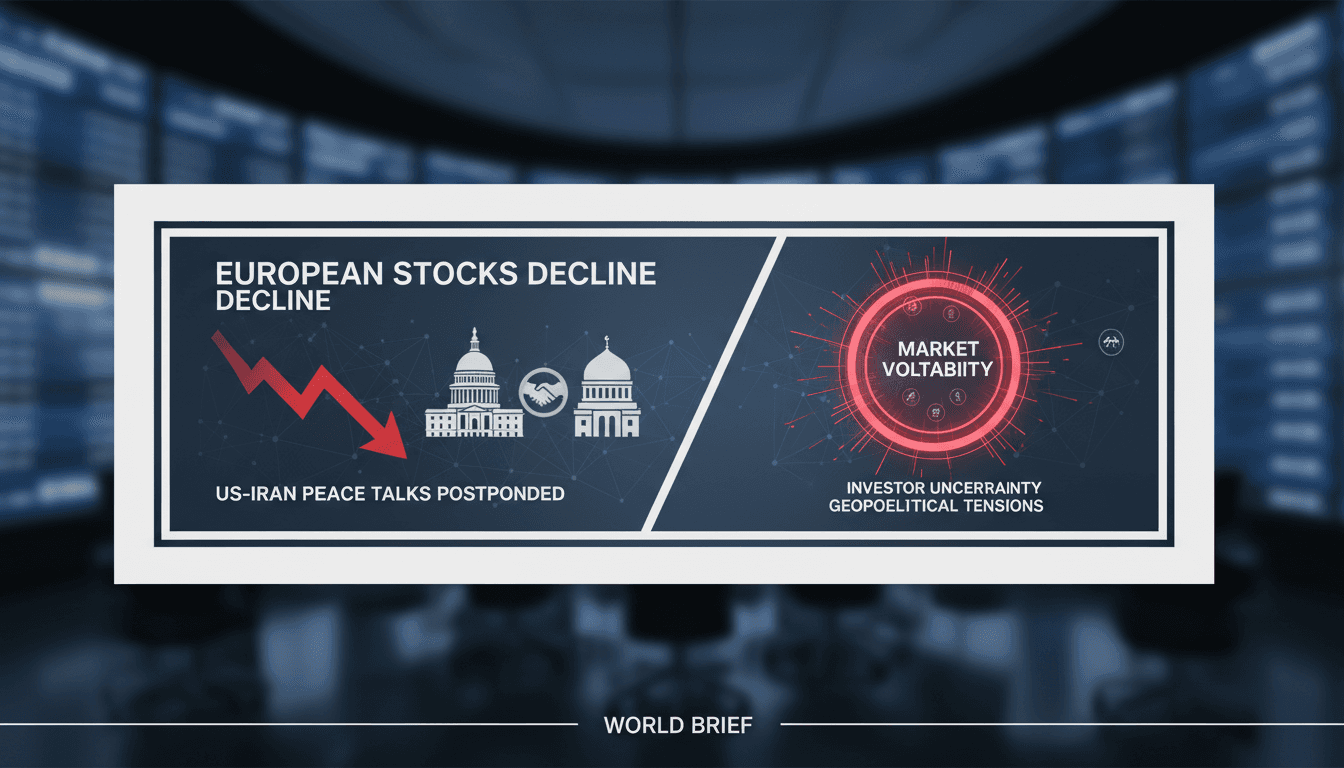
Here's what it means for you.
The postponement of US-Iran peace talks has led to a notable decline in European stocks, reflecting heightened investor caution. This situation underscores the fragility of market confidence amid ongoing geopolitical tensions. Investors are advised to remain vigilant as these developments could have lasting implications for market dynamics and sentiment. The impact is particularly pronounced in the mining sector, which has seen increased volatility. Additionally, rising oil prices signal further complications in the energy market, suggesting that geopolitical factors will continue to play a significant role in shaping economic conditions.
What happened
European stocks experienced a decline as US-Iran peace talks aimed at resolving Middle Eastern conflicts were postponed. This postponement has heightened investor uncertainty, leading to increased caution in the markets. The situation has particularly affected mining stocks, contributing to the overall decline in European markets.
On June 19, 2026, the scheduled peace talks were officially postponed, prompting immediate reactions from investors. The ripple effect of this decision has been felt across various sectors, with oil prices also rising in response to the geopolitical tensions surrounding the talks.
The Context
The postponement of US-Iran talks has created a ripple effect in global markets, particularly in Europe. Stakeholders are closely monitoring the situation, as the diplomatic standstill signifies a potential setback in efforts to stabilize the region. The ongoing geopolitical tensions are likely to influence market dynamics and investor sentiment for the foreseeable future.
As the situation evolves, the implications for regional stability and market confidence remain significant. Investors are increasingly aware that developments in US-Iran relations could have broader consequences, not only for the Middle East but also for global economic conditions.
Takeaway
The market outlook remains uncertain as geopolitical tensions persist, and investors are advised to keep a close eye on developments in US-Iran relations. Monitoring these dynamics will be crucial for understanding potential market impacts, particularly in sectors sensitive to geopolitical events.
Further fluctuations in oil prices are also expected as the situation unfolds, adding another layer of complexity to market conditions. Investors should remain vigilant and prepared for continued volatility in response to these developments.
Market-moving headlines impacting equities, bonds, and related risk assets.
"Real-time catalysts and volatility drivers across indices and sectors."
— A47 Editor
European stocks tick lower as mining losses weigh
European stocks experienced a decline as losses in the mining sector weighed heavily on market performance, reflecting a negative sentiment among investors. This downturn comes amid ongoing concerns about inflation and geopolitical tensions affecting...
Regional and international reporting focused on Middle Eastern politics, diplomacy, and economics.
"Asharq Al-Awsat is a Saudi-owned international newspaper reflecting mainstream Gulf political perspectives."
— A47 Editor
Stocks Rally Falters, Oil Rises as US-Iran Talks Postponed
The recent rally in stock markets has faltered as oil prices rise, coinciding with the postponement of crucial US-Iran talks aimed at addressing ongoing tensions. The discussions, which were anticipated to yield significant progress, have been delaye...
Pan-Arab news coverage spanning politics, business, sports, and regional affairs.
"Asharq Al-Awsat reflects a broad Arab editorial perspective with strong attention to regional geopolitics."
— A47 Editor
الأسهم الأوروبية تتراجع مع تعثر محادثات السلام الأميركية الإيرانية
European stocks declined during trading on Friday amid caution among investors following the cancellation of U.S.-Iranian talks aimed at resolving the conflict in the Middle East.