
US Naval Blockade on Iran Reduces Tanker Traffic in Strait of Hormuz
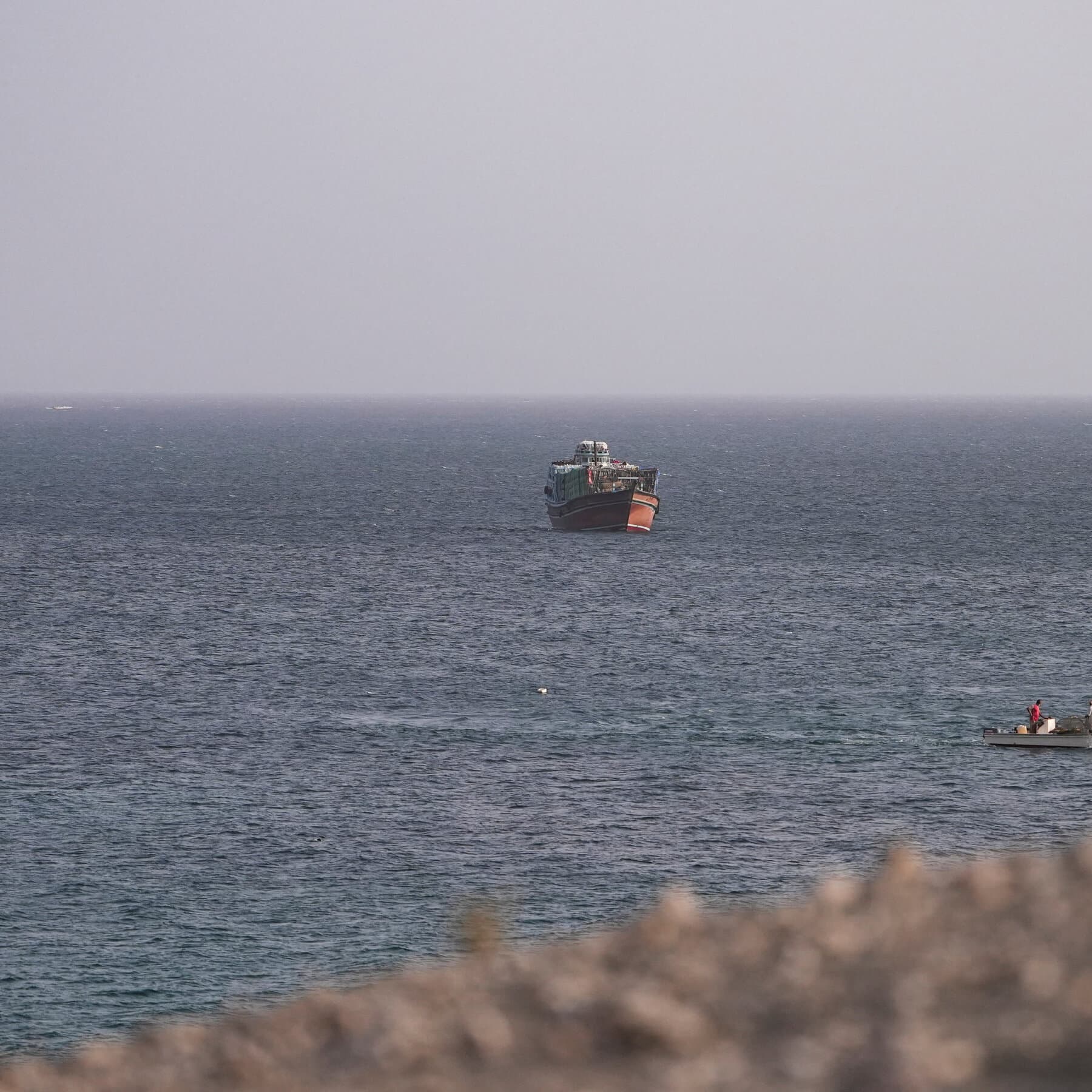
Here's what it means for you.
The reimposition of the U.S. naval blockade on Iranian ports signals a significant escalation in military tensions that could have far-reaching implications for global oil markets. With tanker traffic through the Strait of Hormuz sharply declining, stakeholders in the energy sector should prepare for potential disruptions in oil supply. This situation may lead to increased volatility in oil prices, impacting both consumers and businesses reliant on stable energy costs. As military actions continue in the region, the geopolitical landscape remains precarious, necessitating close monitoring of developments. The ongoing blockade could reshape international shipping routes and strategies, affecting global trade dynamics.
What happened
The U.S. has reimposed a naval blockade on Iranian ports, resulting in a notable decrease in tanker traffic through the Strait of Hormuz. On the first day of the blockade, only seven vessels crossed the strait, a significant drop from the 13 that transited the previous day. This sharp decline in maritime traffic highlights the immediate impact of the blockade on shipping operations in the region.
The blockade is part of a broader strategy by the U.S. to restrict Iranian oil exports amid rising geopolitical tensions. As military clashes continue in the area, concerns over global oil supplies are mounting, prompting stakeholders to reassess their positions.
The Context
The U.S. naval blockade, reinstated on July 15, 2026, is a response to escalating military tensions between the U.S. and Iran. The Strait of Hormuz is a critical chokepoint for global oil shipments, making any disruption in this area particularly concerning for international markets. The decrease in vessel crossings from 13 to 7 in just one day underscores the blockade's immediate effects on shipping and trade.
As the situation evolves, various stakeholders, including oil producers, consumers, and shipping companies, are closely monitoring developments. The potential for further military actions raises alarms about the stability of oil supplies and market conditions, making this a pivotal moment for energy policy and international relations.
Takeaway
The ongoing military tensions between the U.S. and Iran could lead to further disruptions in oil supply, which may result in increased prices and market volatility. Stakeholders should remain vigilant as the situation develops, particularly regarding any changes in military actions or diplomatic negotiations in the Gulf region.
Monitoring global oil prices will be crucial in the coming weeks, as fluctuations may reflect the broader implications of the blockade. The potential for continued military engagement suggests that the energy landscape could face significant challenges ahead.
Markets, economy, and company analysis from NYT’s business desk.
"The New York Times is a globally recognized newspaper offering authoritative reporting with a center-left editorial stance."
— A47 Editor
Strait of Hormuz Tanker Traffic Erodes Further as Oil Prices Rise
Tanker traffic through the Strait of Hormuz has significantly declined, with very few vessels passing on the first full day of the U.S. naval blockade against Iran. This blockade follows a series of military escalations between the U.S. and Iran, whi...
Regional coverage and analysis focused on politics, diplomacy, and business across the Middle East.
"Al-Monitor is known for analytical reporting on Middle East politics and policy developments."
— A47 Editor
Fewer vessels travel through Hormuz as US, Iran continue strikes
On July 16, 2026, shipping data revealed a significant decrease in vessel traffic through the Strait of Hormuz, with only seven vessels crossing compared to 13 the previous day. This decline follows the U.S. reimposition of a naval blockade on Irania...
Editor-curated FT homepage stories spanning markets, business, world, and opinion.
"The Financial Times is a globally respected business publication with a centrist/center-left tone and strong markets focus."
— A47 Editor
US hits tanker heading for Kharg Island under renewed Iran blockade
The United States has conducted military strikes on a tanker heading for Kharg Island amid a renewed blockade on Iranian shipping in the Strait of Hormuz. This escalation follows a series of missile attacks on commercial vessels attributed to Iranian...