
Iran claims closure of the Strait of Hormuz amid U.S. denial and ongoing peace talks
Here's what it means for you.
The announcement from Iran regarding the closure of the Strait of Hormuz raises significant concerns for global oil markets, as this waterway is crucial for transporting approximately 20% of the world's oil. The U.S. denial of these claims suggests a complex interplay of military and diplomatic tensions that could influence energy prices and geopolitical stability. Stakeholders in the energy sector should remain vigilant as developments unfold, particularly in light of ongoing peace negotiations between the U.S. and Iran.
What happened
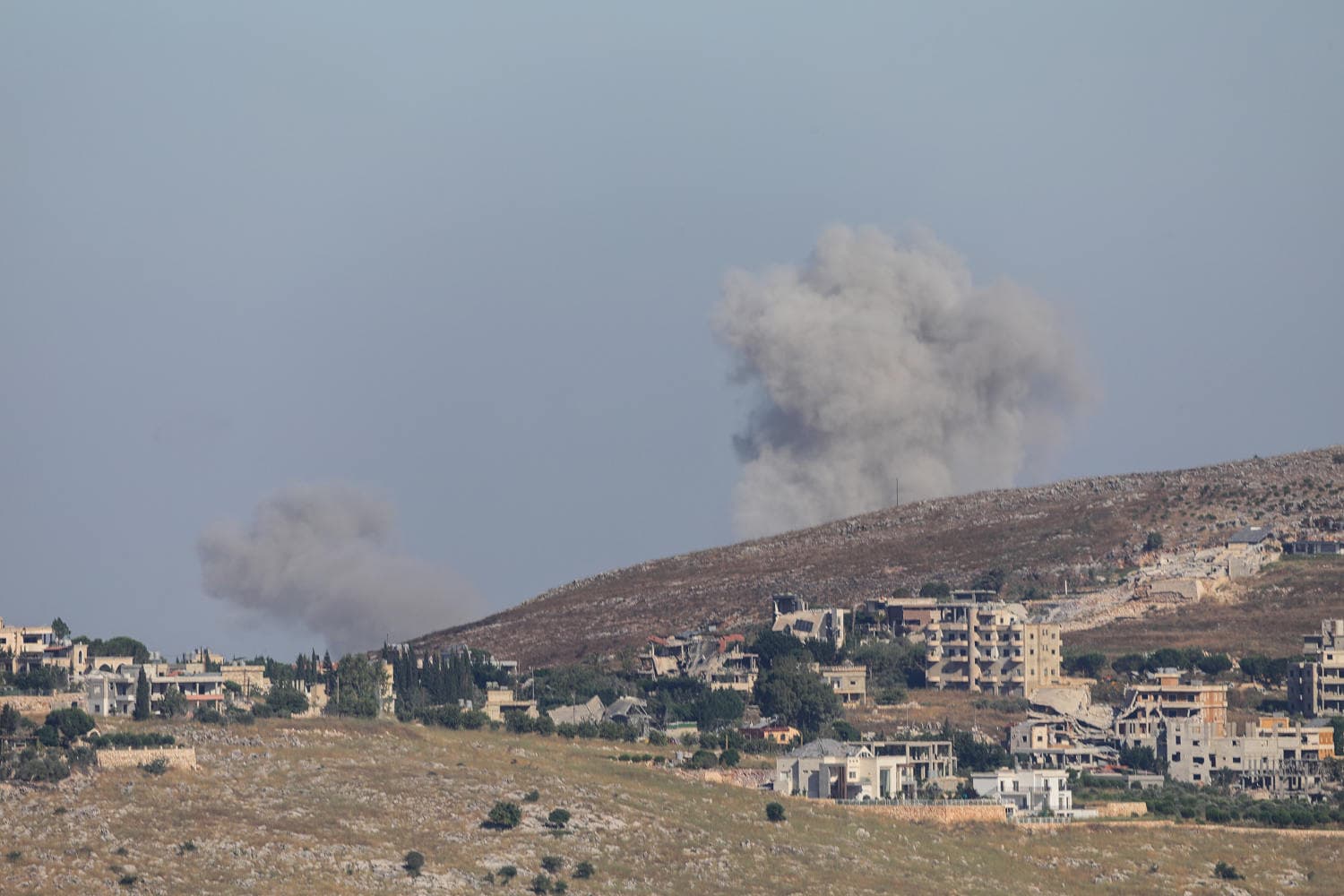
Iran has declared the closure of the Strait of Hormuz, a vital passage for global oil transport. However, U.S. officials, including Vice President Vance, have stated that there is no evidence to support this claim. This announcement coincides with rising military tensions in Lebanon, where clashes involving Israel and Hezbollah are ongoing. The situation is further complicated by ongoing peace talks between the U.S. and Iran taking place in Switzerland.
The Context
The Strait of Hormuz is a critical waterway, with around 20% of the world's oil passing through it, making its security essential for global energy markets. Iran's announcement follows a backdrop of increased military activity and conflicts in Lebanon, which have heightened regional tensions. The timing of this declaration is particularly significant as it coincides with diplomatic efforts aimed at resolving issues between the U.S. and Iran, underscoring the intricate geopolitical landscape in the region.
Takeaway
As diplomatic negotiations continue, the situation in the Strait of Hormuz and surrounding areas will be closely monitored for any potential escalations or resolutions. Observers should pay attention to developments in the peace talks between the U.S. and Iran, as well as any changes in military activity in the region. The outcome of these discussions could have far-reaching implications for global oil markets and regional security dynamics.
Global political, business, and cultural coverage from WSJ international desks.
"The Wall Street Journal offers extensive international reporting with a reputation for financial insight and a center-right editorial stance."
— A47 Editor
Vance Heads to Peace Talks, After Iran Says It Closed Strait of Hormuz
U.S. envoy Vance is heading to Switzerland for peace talks with Iran, coinciding with Iran's announcement of the closure of the Strait of Hormuz amid escalating tensions in Lebanon, where clashes between Israel and Hezbollah have intensified.
Capitol Hill news, legislation, and policy insight.
"The Hill specializes in U.S. politics and policy, with a focus on Capitol Hill developments and a reputation for insider reporting."
— A47 Editor
Vance touts ‘record-breaking’ oil flow in Strait of Hormuz as Iran announces closure
Vice President JD Vance announced that there is currently no evidence of Iran blocking the Strait of Hormuz, despite Iranian military officials declaring intentions to close the vital waterway. Vance's remarks came during an interview on 'Fox & Frien...
Arabic-language political and world news coverage for UAE readers.
"Emarat Al Youm world coverage usually presents international developments through a UAE and Arab audience lens."
— A47 Editor
فانس: لا دليل على إغلاق إيران مضيق هرمز فانس: لا دليل على إغلاق إيران مضيق هرمز
U.S. Vice President J.D. Vance stated that there is no evidence of Iran closing the Strait of Hormuz, emphasizing that the situation is proceeding well. This statement comes amid ongoing concerns regarding maritime security in the region.
Comprehensive coverage of global events, politics, and international issues.
"NBC News is a mainstream outlet known for comprehensive national and international coverage with a centrist to slightly left-leaning editorial tone."
— A47 Editor
Vance arrives in Switzerland for peace deal talks as Iran says Strait of Hormuz is closed
Iran announced the closure of the Strait of Hormuz, citing ceasefire violations as Israeli airstrikes in southern Lebanon continue to escalate, resulting in significant casualties. This announcement coincides with U.S.-Iran peace talks scheduled in S...