
Iran escalates military actions in the Strait of Hormuz amid tensions with the U.S. and Gulf allies
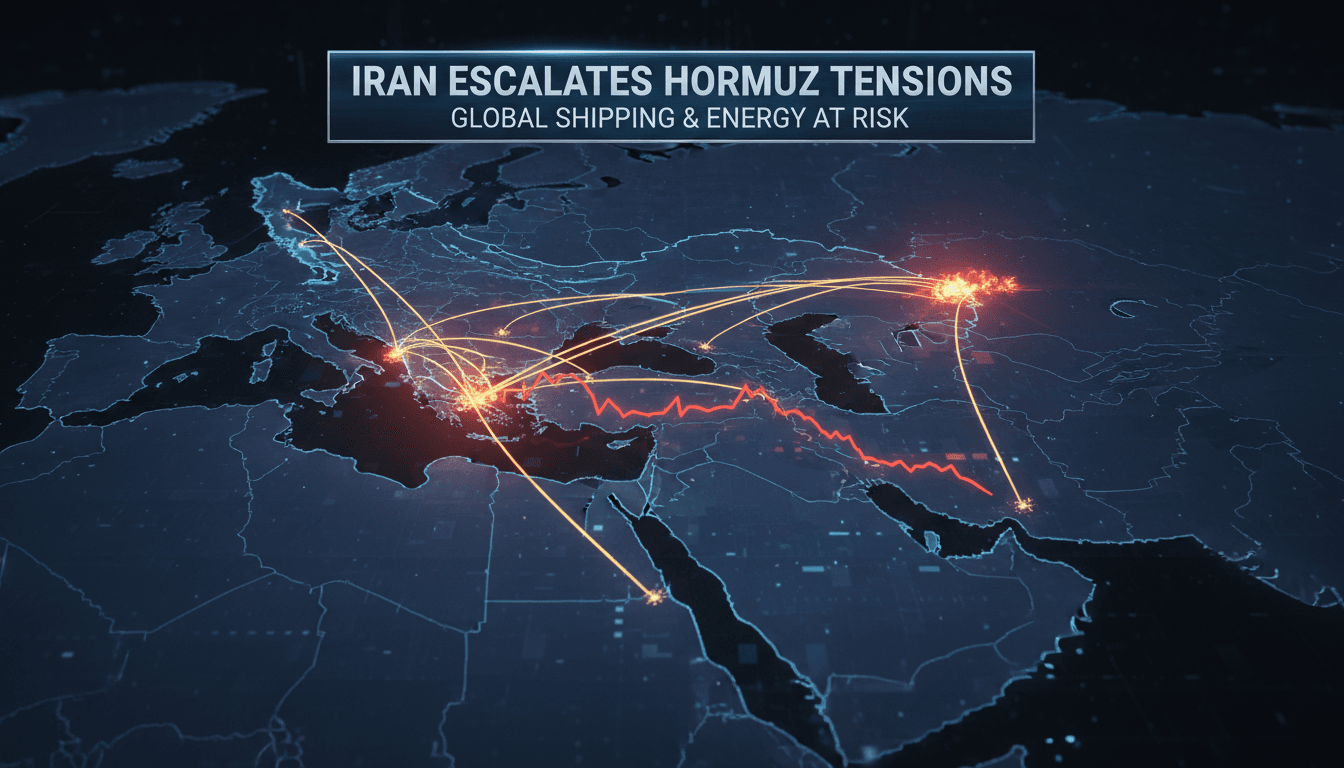
Here's what it means for you.
The escalating military actions by Iran in the Strait of Hormuz signal a critical juncture for global shipping and energy markets. As Iran asserts its control over this vital passage, stakeholders must prepare for potential disruptions in oil and gas flows. The ongoing tensions could lead to increased shipping costs and influence policy decisions among Gulf allies and the U.S. regarding alternative routes. The situation underscores the importance of monitoring Iran's military posture and the responses from international partners, as these dynamics will shape future energy security and market stability.
What happened
Iran has intensified its military actions in the Strait of Hormuz, specifically targeting commercial shipping to assert its influence. This escalation coincides with efforts by the U.S. and its allies to develop alternative shipping routes. Recent attacks on vessels and threats to impose tolls for passage have heightened tensions in this strategically significant area.
Despite these confrontations, traffic through the strait is gradually increasing, suggesting a complex interplay between military actions and commercial interests. The strait is crucial, handling approximately 20% of the world's oil and gas, making its stability vital for global energy markets.
The Context
The Strait of Hormuz is a critical maritime passage for global oil and gas, with Iran's military actions reflecting its determination to maintain control over this vital route. The U.S. and Gulf allies are actively seeking alternative shipping corridors to mitigate the risks posed by Iran's aggressive stance. Recent agreements between the U.S. and Iran have temporarily eased tensions, yet the threat of further military actions remains.
As of now, traffic through the strait is still significantly below pre-war levels, indicating the ongoing impact of these geopolitical tensions. The situation is further complicated by Iran's threats to down commercial vessels, which could escalate conflicts and disrupt global supply chains.
Takeaway
The ongoing tensions in the Strait of Hormuz are likely to continue influencing global shipping routes and energy markets. Stakeholders should closely monitor Iran's military actions and the responses from the U.S. and Gulf allies, as these developments will have significant implications for international shipping and energy security.
As the situation evolves, the potential for increased shipping costs and geopolitical instability remains high. Observing the balance of military power and commercial interests in this region will be crucial for understanding future market dynamics.
Global business headlines with AI angles.
"General business outlet that frequently covers AI."
— A47 Editor
U.S. Reportedly Trying To Convince Iran Not To Continue With One Of Its Main Goals After The War
The United States is reportedly attempting to persuade Iran to refrain from implementing toll charges for passage through the strategically significant Strait of Hormuz, a vital maritime route for global oil shipments. This effort comes amid ongoing ...
English-language reporting on Saudi politics, policy, and society.
"Saudi Gazette reflects mainstream Saudi institutional perspectives."
— A47 Editor
Strait of Hormuz traffic gradually accelerates, easing high shipping costs
Traffic through the Strait of Hormuz has begun to rebound, with 40 vessels reported passing through on Monday, following a series of tit-for-tat strikes between the US and Iran over the weekend. This increase in transit has led to a noticeable easing...
Regional coverage and analysis focused on politics, diplomacy, and business across the Middle East.
"Al-Monitor is known for analytical reporting on Middle East politics and policy developments."
— A47 Editor
Iran insists on keeping control over Hormuz, senior Iranian sources say
Iran has reaffirmed its intention to maintain control over the Strait of Hormuz, emphasizing its right to levy fees on maritime traffic, even if it requires the use of force. This declaration comes amid rising tensions and military exchanges in the r...
Capitol Hill news, legislation, and policy insight.
"The Hill specializes in U.S. politics and policy, with a focus on Capitol Hill developments and a reputation for insider reporting."
— A47 Editor
FOR INSIDERS: Iran's flex in Strait of Hormuz puts Trump on back foot
Iran has intensified its military presence in the Strait of Hormuz, a critical passage for global oil and gas shipments, following recent tensions with the U.S. This escalation includes targeting commercial vessels, which has raised alarms about mari...
Conservative-leaning coverage of current events.
"Fox News is a highly influential conservative news outlet known for right-leaning political commentary and coverage."
— A47 Editor
Iran fights to keep grip on Hormuz as US, Gulf allies carve new shipping route
Iran has reportedly attacked commercial shipping in the Strait of Hormuz in response to a new southern shipping corridor established by the U.S. and Oman, indicating a significant escalation in regional tensions.