
Increased tanker traffic through the Strait of Hormuz amid ongoing geopolitical tensions
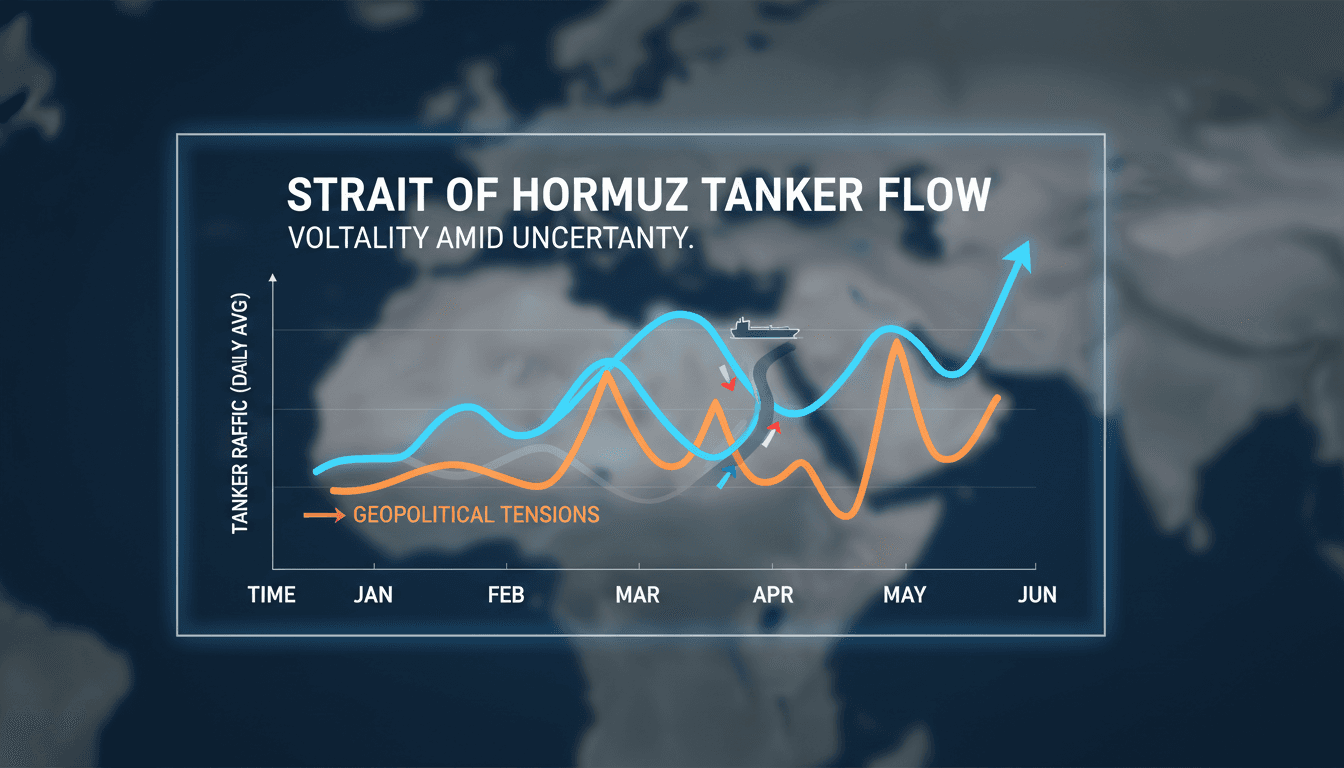
Here's what it means for you.
The recent increase in tanker traffic through the Strait of Hormuz signals a cautious optimism among shipping operators, yet the underlying geopolitical tensions remain a significant concern. For businesses reliant on oil shipments, this uptick may indicate a potential easing of restrictions, but the lack of a stable ceasefire between Iran and the US continues to pose risks. Stakeholders must remain vigilant as the situation evolves, as any escalation could disrupt maritime operations and impact global oil prices. The dynamics in this critical shipping lane highlight the importance of diplomatic efforts in ensuring regional stability. Companies involved in maritime logistics should prepare for fluctuations in traffic and potential delays as operators navigate these complex geopolitical waters.
What happened
Tanker traffic through the Strait of Hormuz has recently increased after a period of reduced flows due to security concerns. Many vessels, however, remain anchored outside the Gulf, awaiting a more stable ceasefire agreement between Iran and the US. The situation remains tense, as Iran has previously closed the strait in response to regional conflicts, significantly impacting ship crossings.
Despite the uptick in activity, tanker operators are exercising caution, hesitant to fully resume operations until a stronger ceasefire deal is established. This cautious approach reflects the ongoing geopolitical tensions that continue to shape maritime traffic in the region.
The Context
The Strait of Hormuz is a vital passage for global oil shipments, and its security is paramount for international trade. Iran's previous closure of the strait has led to a significant reduction in ship crossings, with reports indicating that crossings have halved due to these actions. Currently, hundreds of ships are waiting outside the Gulf, highlighting the precarious nature of maritime operations in this area.
The geopolitical landscape is complex, with various stakeholders, including Iran, the US, and regional allies, influencing the situation. The future of shipping through the Strait of Hormuz will heavily depend on diplomatic efforts aimed at achieving a stable ceasefire and addressing the underlying tensions that have historically disrupted maritime traffic.
Takeaway
As geopolitical dynamics shift, the situation in the Strait of Hormuz will continue to evolve, impacting shipping operations. Stakeholders should closely monitor potential developments in the ceasefire negotiations between Iran and the US, as these discussions will play a crucial role in determining the flow of maritime traffic. Additionally, the impact of regional conflicts on shipping operations in the Gulf will remain a key area of concern.
The delicate balance of maritime security in the region underscores the need for ongoing diplomatic engagement. Companies involved in oil transportation must stay informed and prepared for any changes that could arise from this complex geopolitical landscape.
UAE-based English-language newspaper covering regional politics, economics, and global affairs.
"The National reflects Emirati policy perspectives while maintaining international editorial standards."
— A47 Editor
Ship crossings halve as Iran closes Strait of Hormuz over Israeli attacks
Iran has announced the closure of the Strait of Hormuz, a critical maritime route, in response to ongoing Israeli airstrikes in Lebanon, which it claims violate a ceasefire agreement. This closure has resulted in a significant reduction in ship cross...
Oil, metals, and agriculture: supply/demand headlines, OPEC chatter, inventories, and price action.
"Solid tape for energy and metals traders tracking macro and micro catalysts."
— A47 Editor
Tanker traffic through Hormuz picks up after slower flows due to crossing concerns
Tanker traffic through the Strait of Hormuz has increased following a period of reduced flows due to concerns over crossing safety amid heightened geopolitical tensions. This uptick in shipping activity comes after a series of military actions and wa...
Editor-curated FT homepage stories spanning markets, business, world, and opinion.
"The Financial Times is a globally respected business publication with a centrist/center-left tone and strong markets focus."
— A47 Editor
Hundreds of ships wait outside Gulf for full opening of Hormuz Strait
Hundreds of ships are currently waiting outside the Gulf as tanker operators remain hesitant to move vessels until a ceasefire deal between Iran and the US is solidified. This situation reflects ongoing geopolitical tensions that have led to signific...