
Iran Claims Control Over Strait of Hormuz Amid Rising Tensions with US
Here's what it means for you.
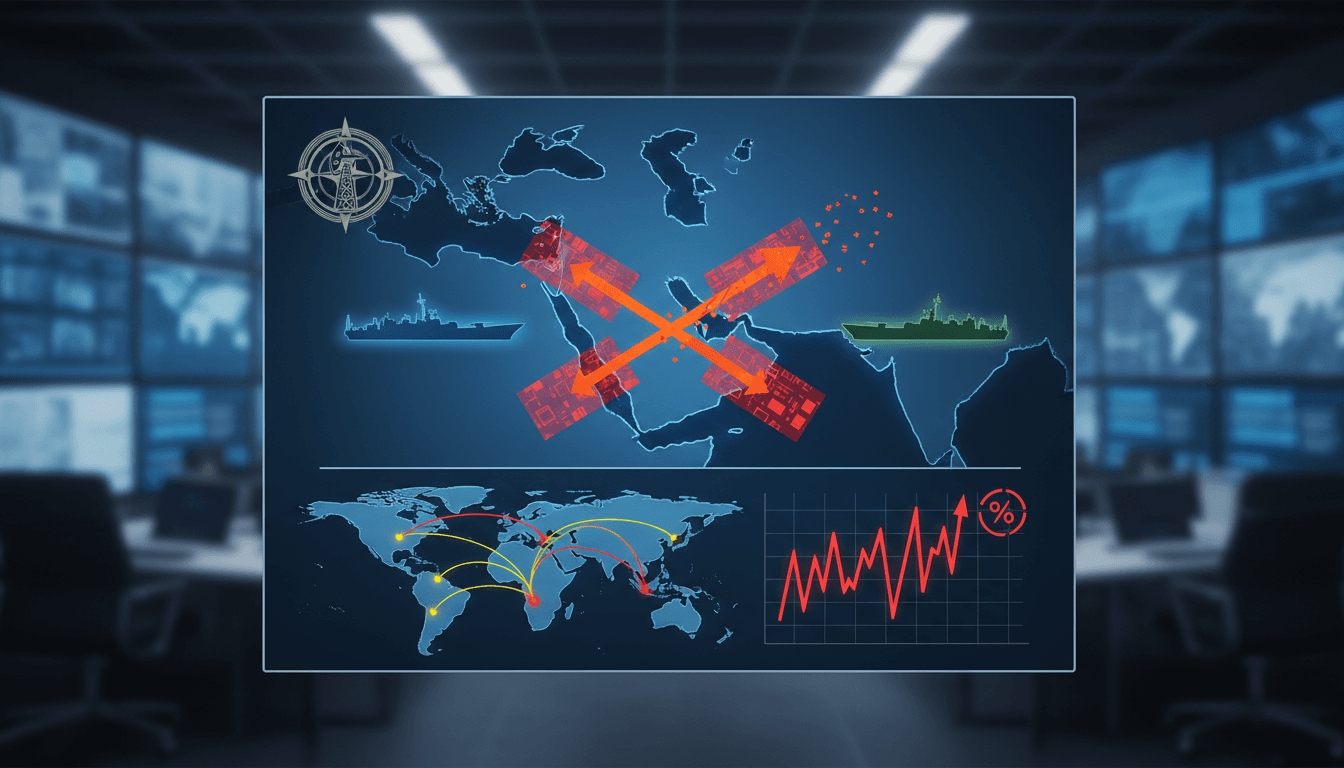
The assertion of control over the Strait of Hormuz by Iranian military officials signals a significant escalation in regional tensions, particularly affecting global oil markets. With approximately 20% of the world's oil trade passing through this critical waterway, any disruption could lead to increased prices and volatility in energy markets. Stakeholders in the oil industry and policymakers must closely monitor developments, as the situation could impact supply chains and maritime security. As Iran links the reopening of the strait to the cessation of U.S. military actions, diplomatic efforts may intensify to de-escalate the situation. The potential for conflict in this vital corridor raises concerns not only for oil supply but also for broader geopolitical stability in the region.
What happened
Iranian military officials have declared the Strait of Hormuz closed to shipping traffic amid rising tensions with the United States. This declaration follows ongoing U.S. military actions in the region, prompting the Iranian Revolutionary Guard to issue warnings to vessels. Reports indicate that two oil tankers exploded while attempting to navigate a southern route through the strait, further heightening concerns over maritime security.
The Iranian military has stated that the strait will remain closed until U.S. attacks cease, reflecting a firm stance against perceived provocations. This situation underscores the precarious security dynamics in one of the world's most critical maritime routes.
The Context
The Strait of Hormuz is a vital maritime corridor for global oil shipments, making its security paramount for international trade. Iran's assertion of control comes amid a backdrop of escalating military tensions with the U.S., which has maintained a significant military presence in the region. The Iranian Revolutionary Guard's warnings against U.S. provocations highlight the ongoing conflict between the two nations.
Recent incidents involving oil tankers have raised alarms about the safety of maritime navigation in the strait. As Iran ties the reopening of the waterway to U.S. military actions, the potential for further escalation remains a pressing concern for global markets and regional stability.
Takeaway
The situation in the Strait of Hormuz is likely to remain tense, with implications for global oil markets and maritime security. Observers should watch for potential U.S. military responses to Iranian actions, which could further complicate the security landscape. Additionally, developments regarding the safety of maritime navigation in the strait will be crucial for stakeholders in the oil industry.
As tensions continue to rise, the potential for conflict could disrupt global oil supplies and lead to an increased military presence in the region. The international community will be closely monitoring these developments to assess their impact on energy markets and geopolitical stability.
Jordanian news and regional updates.
"Roya News is a Jordanian outlet focused on breaking news and local affairs."
— A47 Editor
الحرس الثوري: مضيق هرمز تحت سيطرتنا وسيظل مغلقًا.. ونحذر السفن من الانخداع بالتحريض الأمريكي
The Iranian Revolutionary Guard has declared that the Strait of Hormuz is under their control and will remain closed, warning ships against being misled by American provocations. This statement emphasizes Iran's firm stance on maintaining authority o...
Arabic-language coverage of international news and geopolitics.
"RT Arabic is a Russian state-funded outlet often criticized for promoting Kremlin-aligned narratives."
— A47 Editor
مصدر عسكري إيراني: مضيق هرمز لا يزال مغلقا ومزاعم "سنتكوم" بشأن السيطرة عليه لا أساس لها
An Iranian military source denied the claims made by the U.S. Central Command (CENTCOM) regarding the status of the Strait of Hormuz, asserting that the strait remains closed and that the American allegations are baseless.
Arabic-language coverage of international news and geopolitics.
"RT Arabic is a Russian state-funded outlet often criticized for promoting Kremlin-aligned narratives."
— A47 Editor
مصدر عسكري إيراني: مضيق هرمز سيبقى مغلقا حتى تتوقف الهجمات الأمريكية
An Iranian military source has stated that Tehran will not allow any ships to pass through the Strait of Hormuz until American attacks on its territory cease, marking a significant escalation that threatens navigation security in one of the world's m...
Pan-Arab political news and analysis.
"Al-Quds Al-Arabi is a London-based Arabic newspaper known for political coverage."
— A47 Editor
الحرس الثوري: انفجار ناقلتي نفط في جنوب مضيق هرمز
The Iranian Revolutionary Guard announced that two oil tankers exploded and became incapacitated while attempting to navigate what was described as an unsafe southern route through the Strait of Hormuz, claiming that the U.S. military encouraged thei...