
Over two-thirds of Gaza's population at risk of acute hunger due to aid cuts
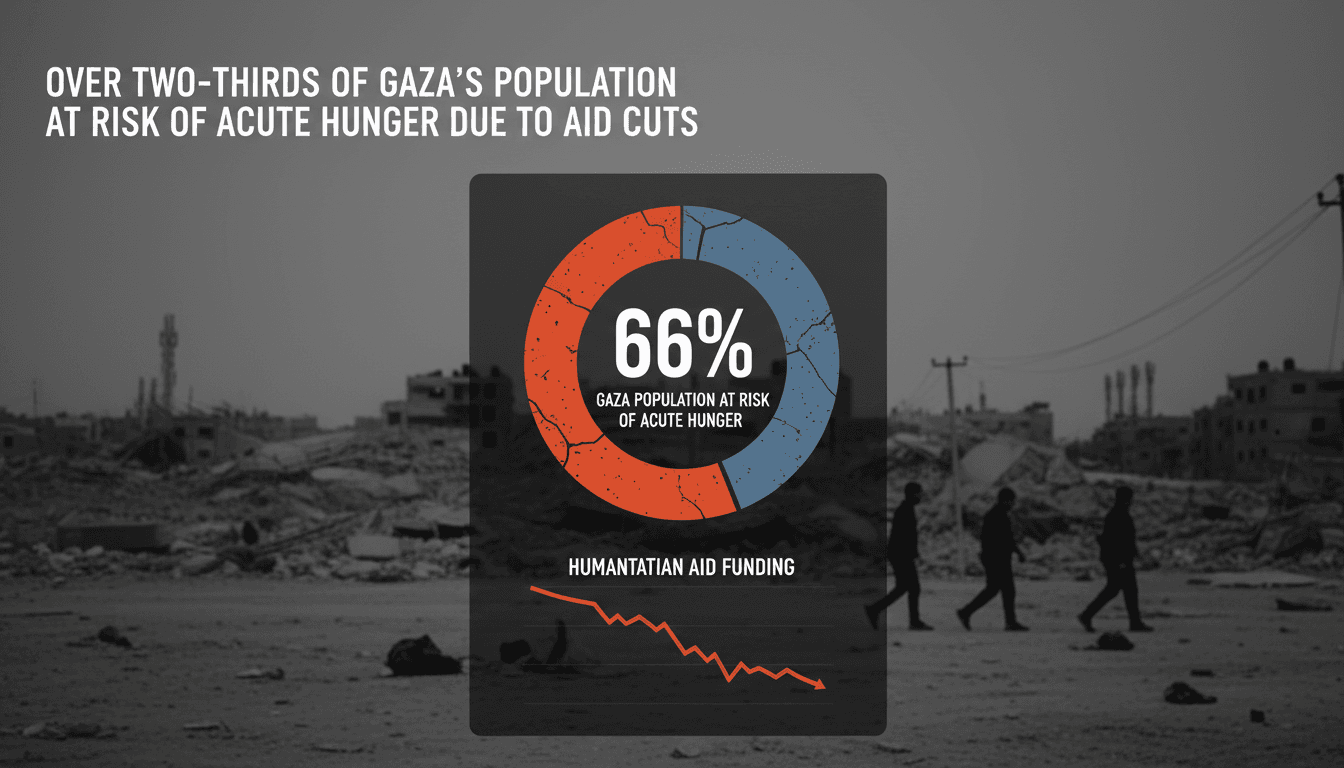
Here's what it means for you.
The potential for acute hunger among over two-thirds of Gaza's population underscores a critical humanitarian crisis that could have far-reaching implications. As funding for humanitarian aid diminishes, the risk of malnutrition and food insecurity escalates, affecting not only the health of individuals but also the stability of the region. Stakeholders, including governments and NGOs, must prioritize addressing these funding shortages to avert a worsening situation. The implications extend beyond immediate food shortages; they threaten to destabilize the region further, impacting economic conditions and public health. A concerted effort is needed to ensure that humanitarian support is sustained and expanded.
What happened
A recent report indicates that more than two-thirds of Gaza's population may face acute hunger by the end of the year due to a decrease in humanitarian aid. This alarming statistic highlights the severe food insecurity affecting the majority of Gazans. Although there were improvements in nutrition levels following a ceasefire in October 2025, funding shortages are now threatening to reverse these gains.
Humanitarian agencies are cutting aid as a result of these financial constraints, which is exacerbated by ongoing conflict and economic instability in the region. The situation is dire, with many families resorting to begging and scavenging for food as they struggle to meet their basic needs.
The Context
The humanitarian crisis in Gaza has deepened significantly, with acute malnutrition levels among children previously declining due to increased food supplies. However, the current funding shortages pose a serious threat to these improvements. The Integrated Food Security Phase Classification has reported a significant risk of hunger, emphasizing the urgency of the situation.
The ongoing conflict between Israel and Hamas has created a volatile environment that complicates humanitarian efforts. As the situation evolves, the need for international support and intervention becomes increasingly critical to prevent a humanitarian disaster.
Takeaway
If funding issues are not addressed, the humanitarian situation in Gaza could deteriorate significantly, leading to higher rates of malnutrition and food insecurity among its residents. Monitoring changes in humanitarian aid funding will be crucial in understanding the trajectory of this crisis. Additionally, observing the impact of potential policy changes on food security in Gaza will provide insights into the effectiveness of international responses.
Urgent action is needed to support vulnerable families and ensure that humanitarian efforts can continue. Without increased funding and support, the outlook for Gaza's population remains bleak.
Pan-Arab news coverage spanning politics, business, sports, and regional affairs.
"Asharq Al-Awsat reflects a broad Arab editorial perspective with strong attention to regional geopolitics."
— A47 Editor
مرصد: ثلثا سكان غزة قد يتعرضون للجوع الشديد بحلول نهاية العام
A recent report indicates that two-thirds of Gaza's population may face severe hunger by the end of the year, with many families struggling to meet their basic food needs. Some households are resorting to begging and scavenging for food in garbage.
Algerian and regional news coverage.
"Echorouk is a major Algerian outlet with broad national reporting."
— A47 Editor
ثلثا سكان غزة قد يتعرضون للجوع الشديد قبل نهاية السنة
The Global Food Security Monitoring Observatory (IPC) warned that more than two-thirds of Gaza's population may face severe hunger by the end of the year, attributing this dire situation to reduced humanitarian aid flows due to funding shortages. The...
Regional coverage and analysis focused on politics, diplomacy, and business across the Middle East.
"Al-Monitor is known for analytical reporting on Middle East politics and policy developments."
— A47 Editor
Two-thirds of Gaza may face acute hunger by year-end despite improvements, global food monitor says
A recent report from the Integrated Food Security Phase Classification indicates that over two-thirds of the population in Gaza may face acute hunger by the end of the year, primarily due to cuts in humanitarian aid amid funding shortages. While ther...